

Germany to Improve Protection Measures for Critical Infrastructures
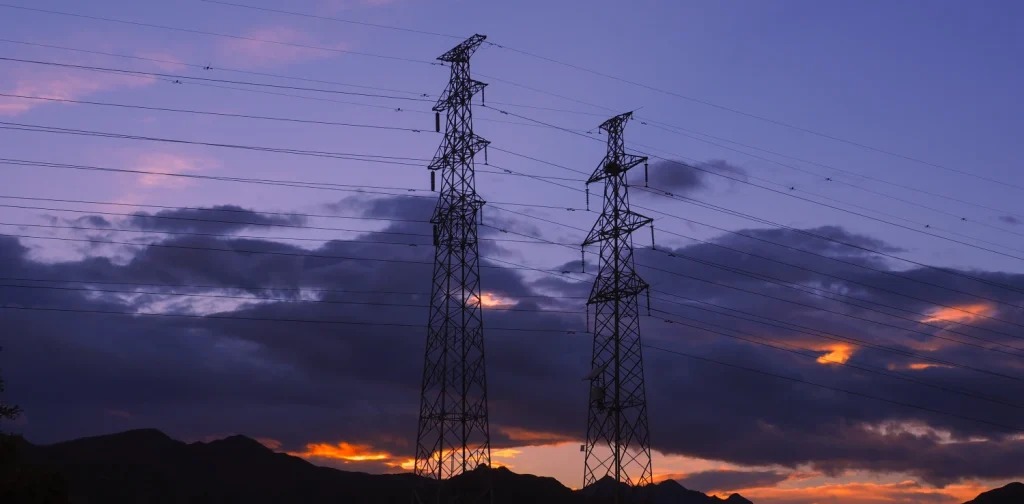
Photo: Foundry on Pixabay.
On January 3, 2026, an arson attack on the power grid in Berlin’s Steglitz-Zehlendorf district caused a large-scale power outage that affected 45,000 households and more than 2,000 offices and shops. Power grids are recognized as critical infrastructures, as they are the cornerstone of energy access and sustainability. The incident triggered an urgency for the German government to improve the protection of its important facilities from future threats.
What Are Critical Infrastructures?
According to the German Federal Office for Civil Protection and Disaster Assistance (Bundesamt für Bevölkerungsschutz und Katastrophenhilfe), critical infrastructures refer to organizations and facilities that play important roles in the public interest of the country. Disruptions to these infrastructures could cause long-term supply shortages, serious public disturbance, or other catastrophic repercussions.
Several sectors are considered critical, including energy, transportation and traffic, finance and insurance, public administration, health, food, water (including drinking water and wastewater), waste management, information technology, telecommunication, and aerospace.
The previously mentioned arson case shows that critical infrastructures are not immune to threats. Some threats come from accidents, natural disasters, and human errors. The 2021 flood in Germany, for example, has revealed that the country’s transportation networks are not sufficiently resilient in times of crisis.
Additionally, there are also politically motivated threats. For instance, drone sightings over airports, research, and military facilities in Germany have increased sharply, posing a growing threat.
Protection Through Prevention
Regulations to protect critical infrastructures so far have focused primarily on scenarios involving significant damage. As a result, only a limited number of companies and institutions are currently required to comply with these protective measures, with most regulations relating to cybersecurity.
However, the Berlin blackout marked a turning point and intensified calls for stronger protection. This shift focuses mainly on the distinction between preventive and reactive measures.
Preventive measures aim to avert infrastructure failures in the first place. These measures can be implemented through stricter monitoring systems, improved employee training, or the development of alternative supply routes, particularly to reduce vulnerabilities in the energy sector.
Reactive measures, on the other hand, aim to restore damaged infrastructures to normal operation as quickly as possible. In the event of a disruption to the main power grid, decentralized energy sources, such as solar panels and battery storage systems, can temporarily sustain local power systems and allow them to operate independently.
The German Government’s Solution
On January 29, the German government passed the draft of an Umbrella Act for Critical Infrastructure Protection (KRITIS-Dachgesetz). It aims to strengthen the protection of critical infrastructures across 11 sectors.
The act introduces reporting obligations for operators, stricter security requirements, regular risk assessments, and a mandatory emergency plan. Operators that fail to comply may face fines of up to one million euros. The act is scheduled to come into force in the summer of 2026.
However, the draft has faced criticism. Opposition parties and businesses have pointed to its lack of concrete, clear requirements and the exclusion of public administration from its protections. Critics also argue that it creates a loophole, as it applies only to large facility operators serving at least 500,000 people. This would leave smaller towns and facilities unprotected.
Monitoring 33,000 kilometers of railway lines, thousands of electric substations and transformer stations, and over 8,000 public waste treatment facilities presents a significant operational challenge. Vulnerabilities will always exist. Therefore, governments should further prioritize resilience by ensuring systems can withstand attacks through investments in emergency supply infrastructure, thereby preventing the country from becoming paralyzed in the event of a disruption.
Editor:Nazalea Kusuma & Kresentia Madina

Co-create positive impact for people and the planet.
Amidst today’s increasingly complex global challenges, equipping yourself, team, and communities with interdisciplinary and cross-sectoral insights on sustainability-related issues and sustainable development is no longer optional — it is a strategic necessity to stay ahead and stay relevant.
 Red Flags in the EU’s Industrial Accelerator Act (IAA)
  Untangling the Root Causes Underneath Lesotho’s Suicide Crisis
  Looking into the Inadequate Legal Recognition for Women’s Tenure Rights Across the Global South
  The Disproportionate Cost of Data Centers for Local Communities
  Will the EU Ban on Destroying Unsold Clothes Reduce Textile Waste?
  How Extreme Heat Affects Human Livability