

Looking into Gender Inequality in the Water Domain
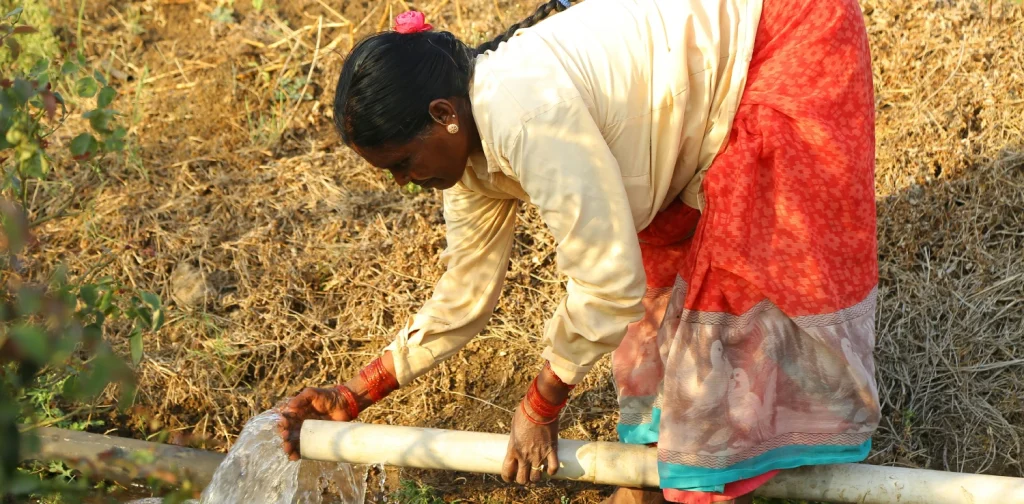
Photo: EqualStock on Unsplash.
Among the long list of our human rights is access to water and sanitation. From drinking to irrigation, water flows through multiple facets of our lives, making it fundamental to our health, dignity, and prosperity. However, this very right is currently under threat from the global water crisis; at the heart of the crisis is gender inequality.
Gaps for Women and Girls
The human rights to water and sanitation mean that we all have an equal right to access safe, clean drinking water and adequate sanitation. This access must go beyond physical presence, but actually meet people where they are, especially marginalized populations. Services that are too expensive, unreliable, unhygienic, and poorly located cannot serve an entire community of diverse people with diverse needs well.
However, this access remained lacking for billions of people. Around 2.1 billion people were deprived of safe drinking water and 3.4 billion of sanitation services in 2024. Concerningly, gaps are jarring for women and girls.
Women and girls in water-insecure households are most likely to be responsible for water collection, and they often have to travel long distances for it. While doing so, they lose time in education, work, and leisure, while also being exposed to physical strain, injury, and gender-based violence.
Poor sanitation facilities, which are still not gender-segregated in certain places, also cause a lack of privacy and safety for women and girls, especially related to menstrual health and hygiene.
Lack of Participation and Recognition
The gaps go beyond the household realm. At the decision-making and governance level, gender inequality persists. A report by UN Water explores how gender inequality in the water domain manifests in many aspects and at multiple levels. Overall, it boils down to socio-cultural norms and political power dynamics being the root causes of women’s lack of participation and recognition in water leadership and governance.
In food and agriculture, for instance, the norms that determine who has access to water can be highly gendered. Women in rural areas still struggle with the lack of tenure rights despite growing recognition over the years, with women accounting for less than 15% of landowners in 2018. Consequently, they have limited access to and control over water for irrigation, livestock, and other agricultural needs, thereby limiting their economic potential.
Women’s limited participation in water management and governance is also apparent in the industry, in which the water sector struggles to attract, train, and retain female employees. The report notes that, while some water utilities have close to 40% female employees, others have no female staff.
Moreover, as the primary handlers of water needs, women possess accumulated knowledge of how to store, distribute, and use water, drawn from both practical experience and customs passed down through generations. Yet, their vital role remains taken for granted, their expertise untapped, and their needs disregarded in a societal system rooted in gender inequality.
Gender Inequality in the Water Domain
Amid the warning of global water bankruptcy, ensuring access to water for all becomes more urgent. This means eradicating the systemic barriers that cause gender inequality in the water domain across communities and sectors. Recruiting more women leaders in water governance helps establish a stronger voice for women’s water and sanitation needs
Furthermore, integrating a gender perspective into the development of water and sanitation infrastructure is vital, including the provision of bathrooms with menstrual hygiene products. Enabling stronger roles for women through capacity building opportunities and financing is also central in eradicating the barriers to just and equitable water and sanitation access for all.
Editor: Nazalea Kusuma
Co-create positive impact for people and the planet.
Amidst today’s increasingly complex global challenges, equipping yourself, team, and communities with interdisciplinary and cross-sectoral insights on sustainability-related issues and sustainable development is no longer optional — it is a strategic necessity to stay ahead and stay relevant.
 How the Earth’s Energy Imbalance Affects the Climate
 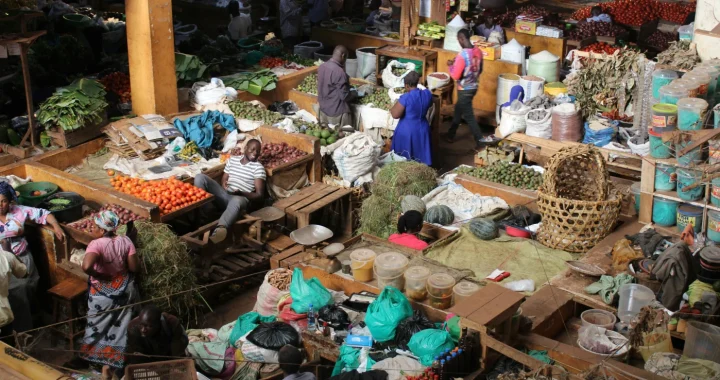 When Distant Conflict Ripples: How Global Supply Disruptions Find Africa
  Urgency to Protect Migratory Species as Extinction List Expands
 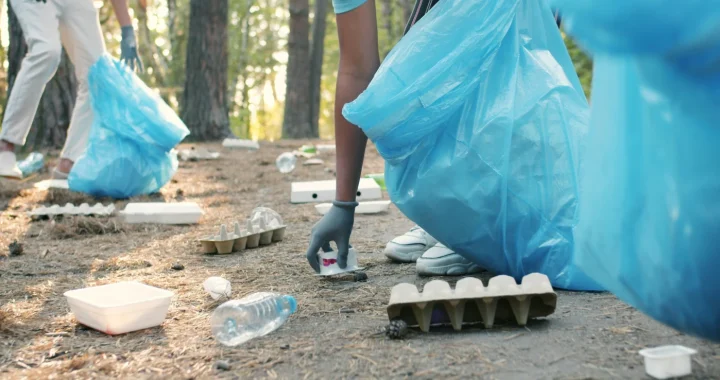 How Spogomi Addresses Waste Through Competitive Sport
  What Fading Butterfly Colors Reveal About Environmental Stress
  The Right to Be Cold and What It Means for Indigenous Inuit