

When Distant Conflict Ripples: How Global Supply Disruptions Find Africa
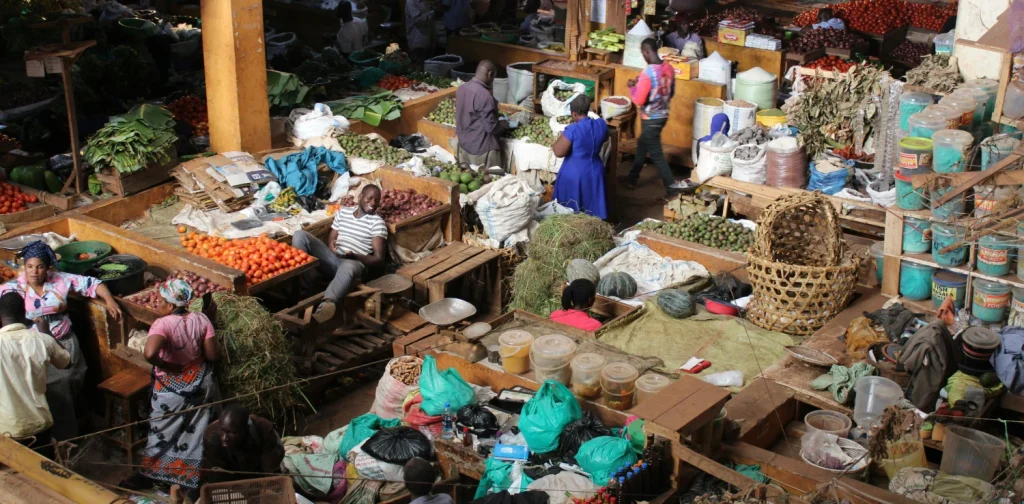
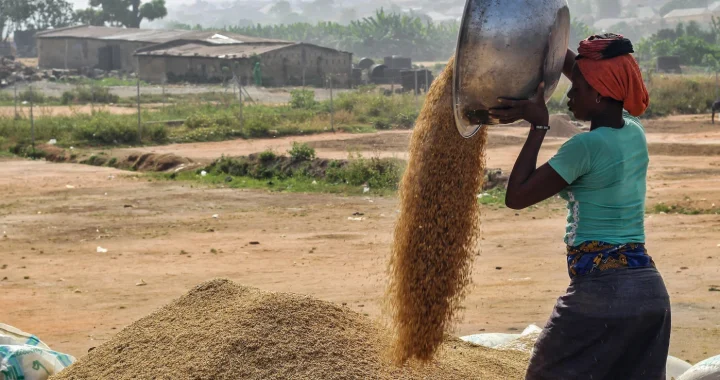
Photo: Ana Kenk on Pexels.
A conflict unfolding thousands of kilometers away rarely feels immediate. There are no sirens heard, no disruption seen. There is just a quiet, gradual shift in the price of bread, the cost of a taxi ride, and the availability of goods on a market shelf. Across Africa today, global supply disruptions linked to the 2026 Strait of Hormuz crisis are arriving not just as headlines, but as household burdens.
The Strait of Hormuz is thousands of kilometers from most African capitals. But in an interconnected world, distance no longer determines impact.
The Strait of Hormuz as the Chokepoint of Global Supply Disruptions
The Strait of Hormuz is a narrow passage between the Persian Gulf and the Arabian Sea. It is one of the most consequential stretches of water on the planet, as more than one-quarter of total global seaborne oil trade and roughly one-fifth of global oil consumption flow through it.
When that passage is disrupted, the consequences are widespread across regions and sectors. Research has described the current disruption as the largest supply shock in the history of the global oil market. Major shipping companies have suspended transits. Some have had to reroute their vessels around Africa’s Cape of Good Hope, adding weeks to delivery times.
Africa’s Vulnerabilities
For many African countries, these disruptions arrive in already fragile contexts. The continent is overwhelmingly import-dependent on fuel, fertilizer, and manufactured goods. Data identifies Burkina Faso, Burundi, the Central African Republic, the Democratic Republic of Congo, Liberia, and Mozambique as particularly exposed. These are countries where fiscal buffers are thin, energy import reliance is high, and poverty is already acute.
According to economists at Wits University, the universal fear is the rising prices and scarcity of fuel. Consequently, this extends to the knock-on threat to food production.
From Fuel to Food
The chain from energy to food is shorter than most people realize. Rising fuel prices increase the cost of transport. Higher transport costs raise the price of goods in every market. And when fertilizer—30% of which globally is ammonia-based nitrogen tied to Gulf production—becomes scarcer and more expensive, the harvest itself is at risk.
Thus, the World Food Programme estimates that roughly 45 million more people could be pushed into acute hunger in 2026. This would drive food insecurity back to levels last seen at the onset of the Ukraine war.
These are not abstract numbers. Global supply disruptions show up in the weekly shopping and in school lunchboxes. For smallholder farmers, they show up when calculating whether planting this season makes sense.
Revealing Urgency
The situation is cause for reflection. UNCTAD warns that developing economies with limited fiscal space are the least equipped to absorb new price shocks. These global supply disruptions reveal not just risk, but dependence on single trade routes, imported energy, and supply chains designed for efficiency rather than resilience.
The conversation worth having is about what it means to build economies that can withstand shocks they did not cause. Therefore, the urgency lies in developing self-sufficient regional trade, food production, and diversified energy sources, among others, to ensure resilience in the age of disruptions.
Editor: Nazalea Kusuma
Co-create positive impact for people and the planet.
Amidst today’s increasingly complex global challenges, equipping yourself, team, and communities with interdisciplinary and cross-sectoral insights on sustainability-related issues and sustainable development is no longer optional — it is a strategic necessity to stay ahead and stay relevant.
 Urgency to Protect Migratory Species as Extinction List Expands
  How Spogomi Addresses Waste Through Competitive Sport
  What Fading Butterfly Colors Reveal About Environmental Stress
  The Right to Be Cold and What It Means for Indigenous Inuit
  All Pain, No Gain for Women from the Tobacco Industry’s So-Called Generosity
  Upholding the Women in Agriculture Who Are Feeding Africa