

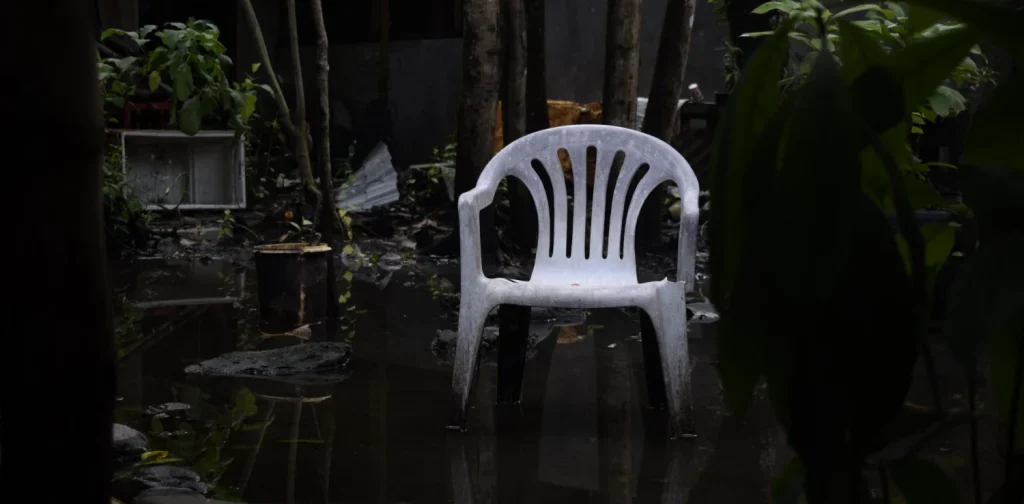
 Non-Economic Loss and Damage: Making sense of our intangible loss in a changing climate
Global climate actions must acknowledge non-economic loss and damage as an integral part of the conversation.... Read More
Health and Wellbeing
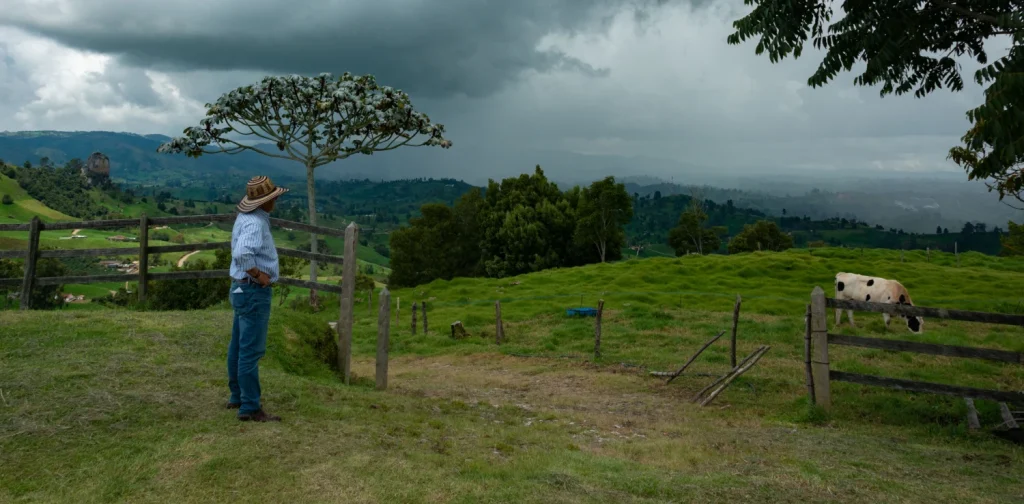 Farmer Loneliness, the Overlooked Mental Health Crisis Within the Food System
From rural isolation to climate change and land loss, farmer loneliness is becoming more than a secondary issue.... Read More
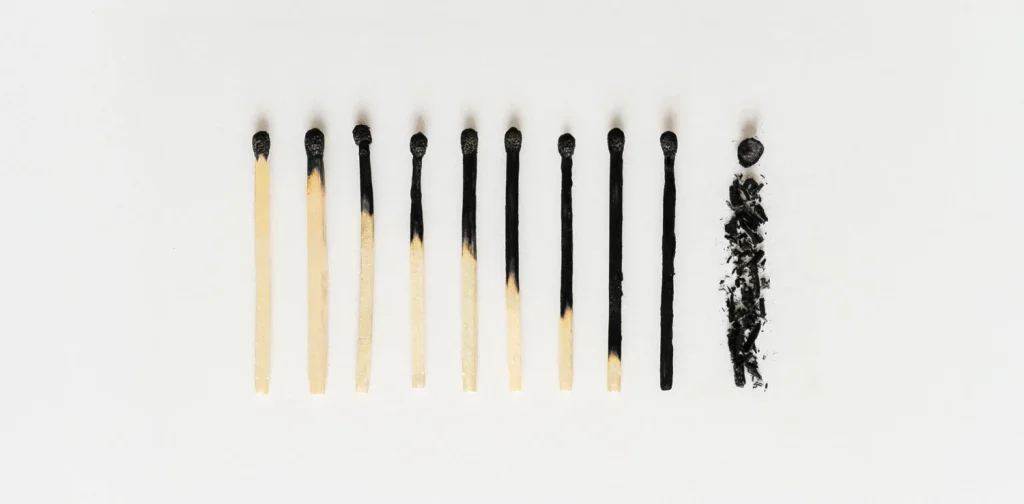 Green Burnout: Sustainability Workers and Climate Activists Are Quietly Falling Apart
Green burnout is spreading through the sustainability workforce, impacting the people working for people and the planet.... Read More
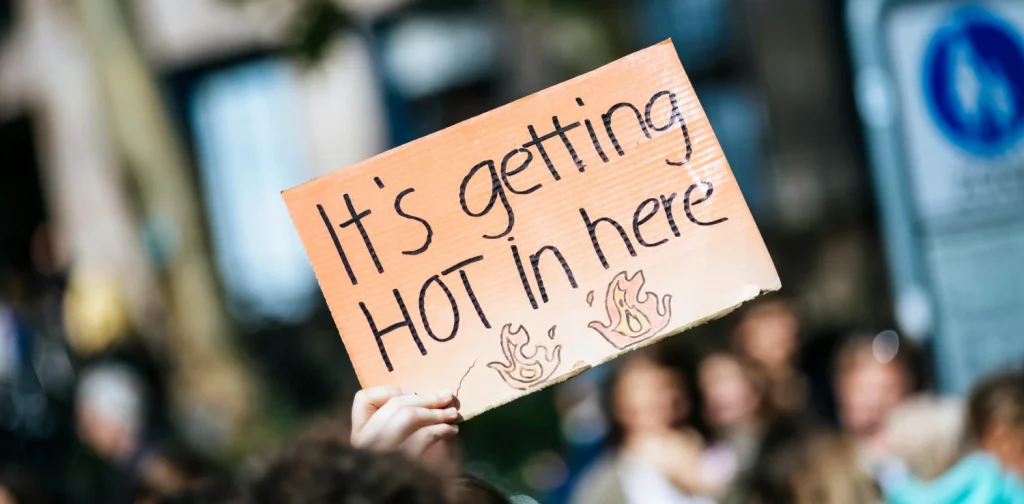 The Warning Signals of Climate Change
Warning signals are ringing across the globe as climate change alters current reality and costs us a decent life.... Read More
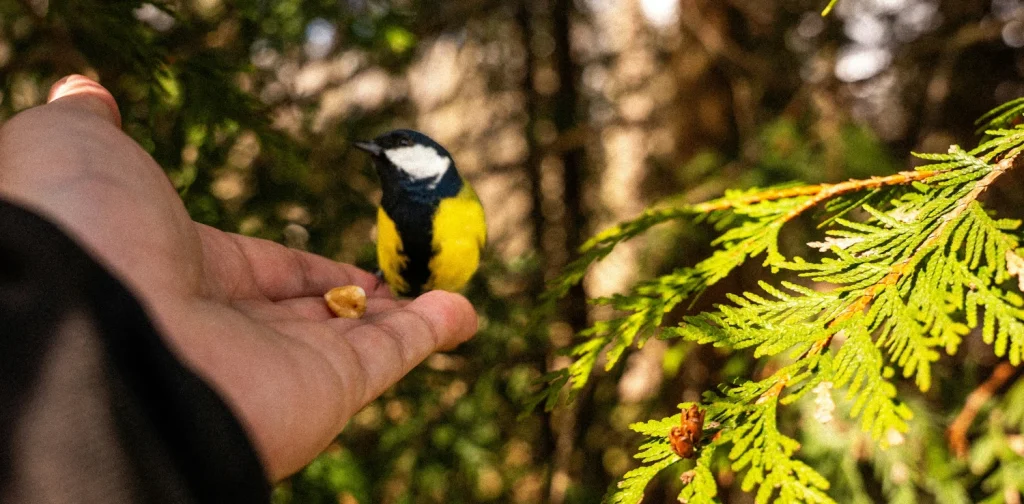 The Need for One Health in Conservation
The relation between animal, environment, and human health underscores the need for One Health approach in conservation and wildlife management.... Read More
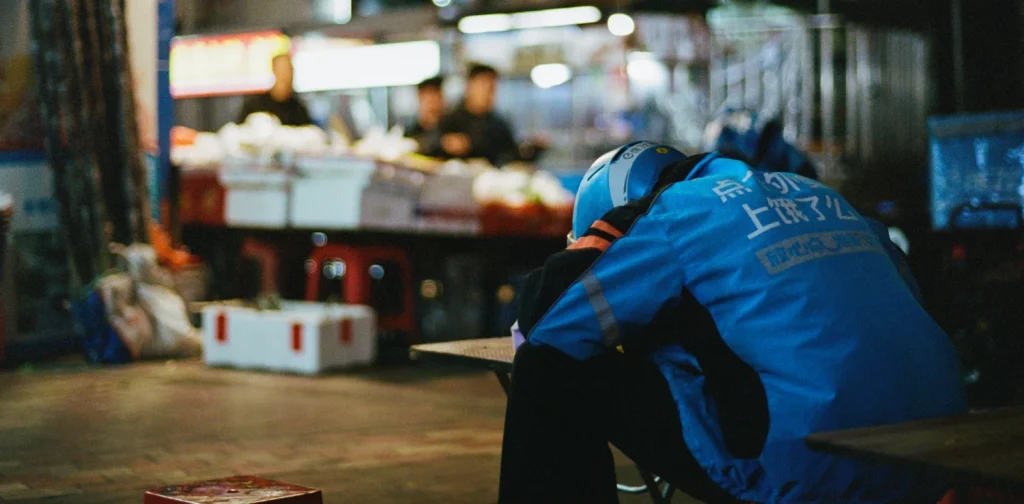 Recognizing Psychosocial Hazards in the Workplace
In a world shaped by capitalism, pursuing profit above all else often comes at the cost of people’s physical and mental wellbeing due to psychosocial hazards.... Read More
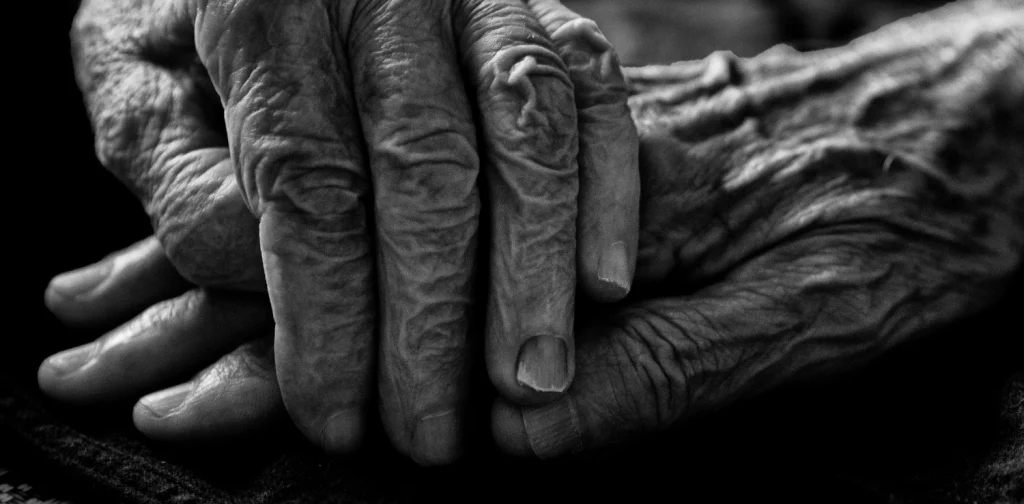 Looking into Aging Alone, Shrinking Households, and the Struggling Care Systems
As populations grow older, more people are aging alone. Meanwhile, the systems meant to support them are struggling to keep up.... Read More
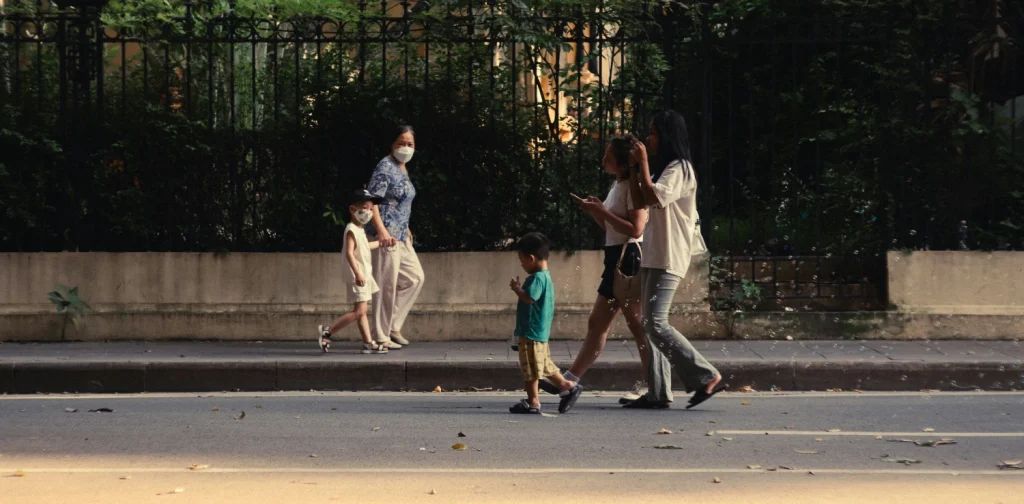 To be or not to be a family: Understanding the reproductive agency crisis
Conversations on building families get more complex today, posing questions about people’s reproductive agency and rights amid multiple crises.... Read More
 Time Poverty and the Rising Mental Health Issues
The fast pace and demand of modern life in a capitalistic society creates time poverty, also linked to the rising mental health issues.... Read More
 The Productivity Trap: When Optimization Replaces Living
In an age of optimization, the productivity trap promises efficiency, often at the cost of rest, self-worth, and dignified life.... Read More