

 Ecodesign for Sustainable Products Regulation (ESPR) for a Circular and Sustainable EU Market
The ESPR aims to make sustainable, repairable, and longer-lasting products a new standard across the EU market.... Read More
Sustainable Consumption and Production
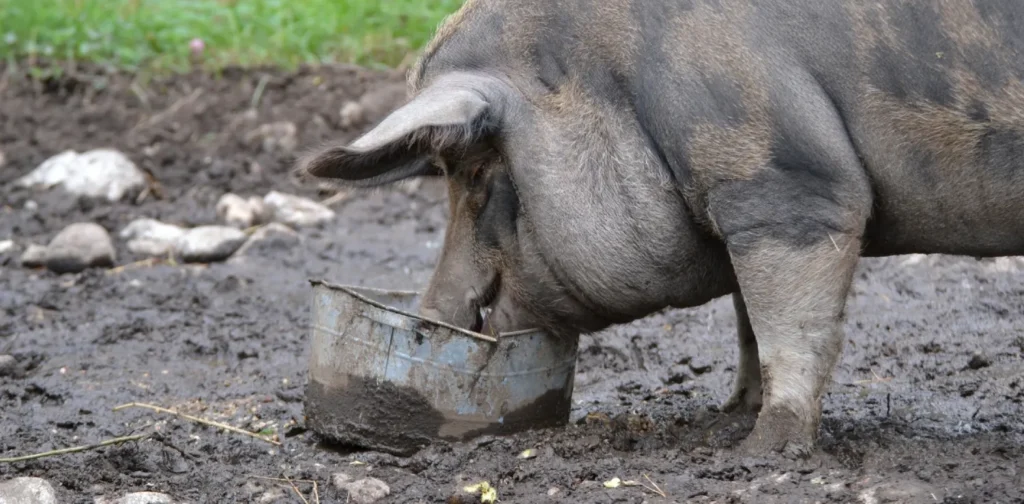 Feeding Food Waste to Pigs as a Sustainable Solution
Feeding food waste to pigs has emerged as an innovative solution to reduce ecological footprint.... Read More
 Innovation to Detect and Measure Nanoplastics in the Human Body
Researchers from Austria developed a new method to detect nanoplastics in the human body using lasers.... Read More
 Green Energy, Red Flags: Labor Exploitation and Deadly Accidents at Indonesia’s Nickel Capital
Indonesia's ambition to lead the global critical mineral industry is riddled with labor exploitation and other workers’ rights violations.... Read More
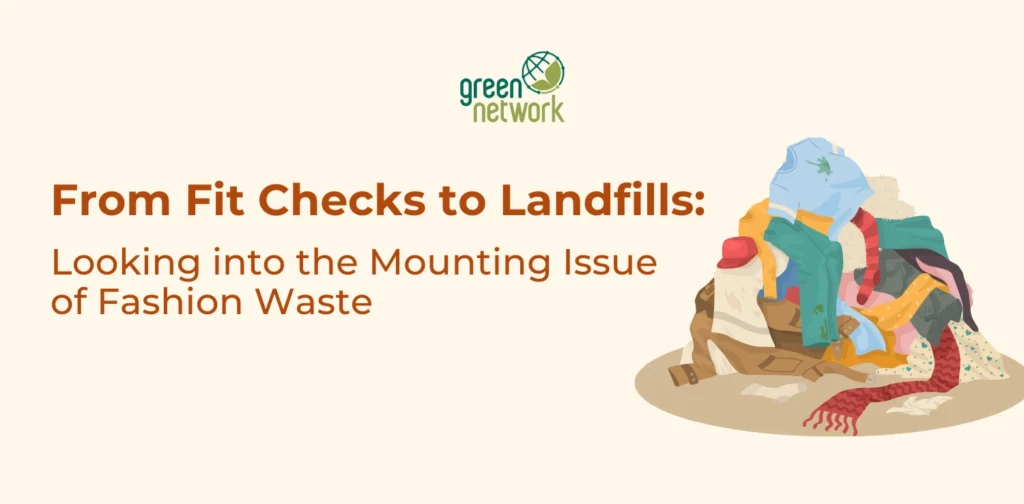 Looking into the Mounting Issue of Fashion Waste
Where do all of our unused clothes go? While donating and giving them to secondhand shops are options, most of our fashion waste still goes to landfills.... Read More
 Regulating Green Claims in Asia
Businesses are competing to be seen as the most sustainable. However, most of Asia still lacks specific regulations about green claims.... Read More
 Looking into Industrial Symbiosis Practices for Bioenergy Sourcing
Bioenergy from biomass generates a big environmental cost. Can industrial symbiosis offer a solution?... Read More
 SDG Progress in the Asia-Pacific Is Off-Track
The SDG progress in the Asia-Pacific is significantly off-track, with slow progress, regression, and data gaps.... Read More
 Southeast Asians as the Biggest Microplastic Eaters
Humans are becoming bigger and bigger microplastic eaters, and Southeast Asians get the biggest portion.... Read More
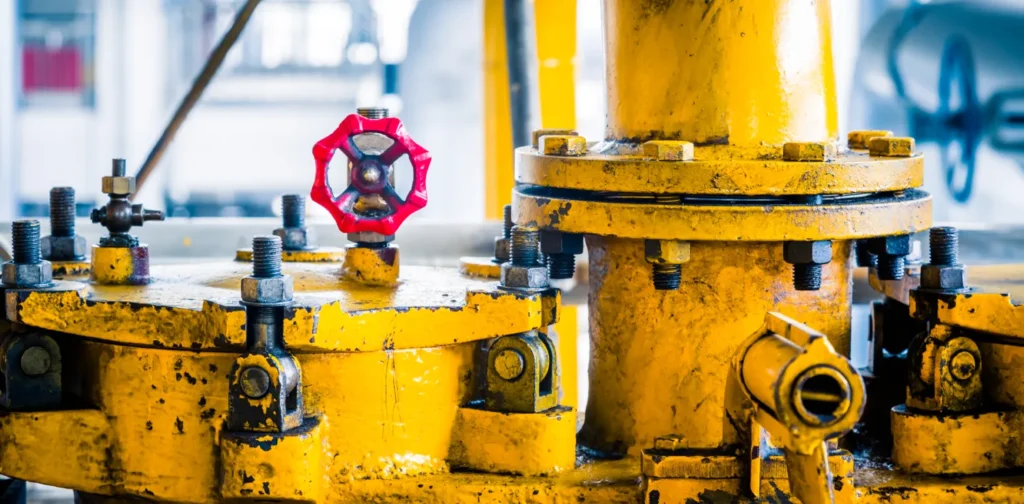 Evaluating Carbon Capture and Storage (CCS) as an Option to Accelerate Net-Zero Targets
CCS allows hard-to-abate industries to improve their decarbonization efforts. Yet, it is failing to achieve targets.... Read More