

India Integrates Solar Energy into New Delhi Electricity Supply with Shakti Microgrid
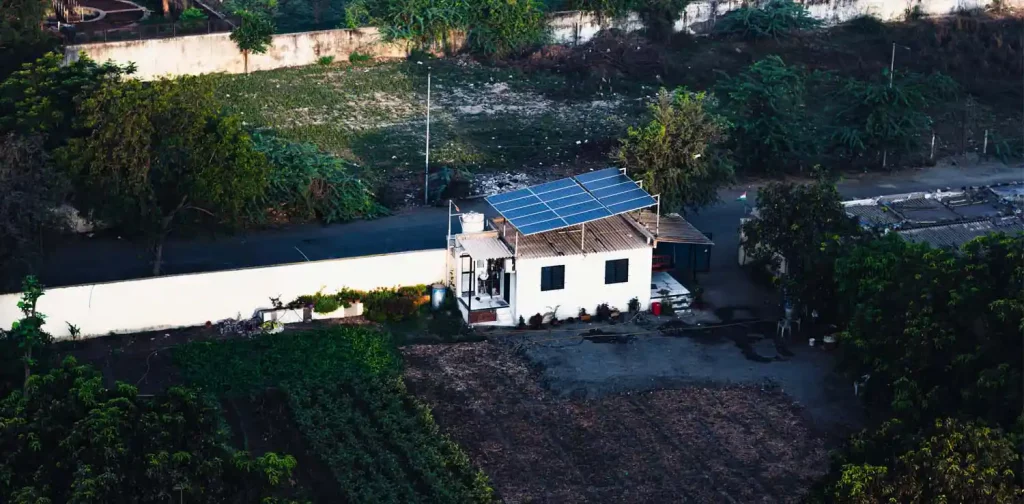
Photo by VD Photography on Unsplash
Our concerns about climate change and sustainability issues keep growing, yet our need for electrical energy is unavoidable. This conundrum results in high public demand for renewable energy worldwide. To meet this demand in India, IElectrix launched Shakti microgrid in New Delhi.
The official launch happened in March 2022 at St. Xavier’s School, Civil Lines, New Delhi. Among the attendees were IElectrix Project Coordinator Pierre-Jacques Le Quellec, Jean-Baptiste Djebbari, Indian Minister of State of Power and Heavy Industries Shri Krishan Pal Gurjar, and Tata Power-DDL CEO Ganesh Srinivasan.
What is Shakti microgrid?
Shakti microgrid is IElectrix’s project in India under Tata Power Delhi Distribution Limited. IElectrix, an association of local energy communities from Europe and India for renewable integration and energy transition, has received funding from the European Union’s Horizon 2020 research and innovation program.
‘Shakti’ means ‘power’. This smart grid project aims to demonstrate how solar energy can be integrated to improve the resilience and quality of the city’s power supply. Shakti microgrid combines solar photovoltaic technology, battery storage, a smart transformer, and an energy management system.
How do microgrids work?
Conventional power grids deliver electricity in one direction to consumers. The addition of local power generation through solar panels means grids must integrate to absorb bi-directional distributed energy resources (DERs) safely and efficiently.
Microgrids store excess power that can later be used when energy sources are insufficient. It is a ‘smart’ grid because the technology needs intelligence and automation to balance the supply and demand of the grids.
According to International Electrotechnical Commission, “Microgrids complement the conventional power grid when electricity demand is high and help to maintain supply during a grid-outage and restore electricity supply faster. They also help communities gain access to a more reliable supply of sustainable electricity.”

Nazalea Kusuma
Naz is the Manager of International Digital Publications at Green Network Asia. She is an experienced and passionate writer, editor, proofreader, translator, and creative designer with over a decade of portfolio. Her history of living in multiple areas across Southeast Asia and studying Urban and Regional Planning exposed her to diverse peoples and cultures, enriching her perspectives and sharpening her intersectionality mindset in her storytelling and advocacy on sustainability-related issues and sustainable development.
 Africa’s Solar Energy Surge: Why 2025 Was a Breakthrough Year
  Agrihoods: Integrating Farms and Urban Neighborhoods into Sustainable Communities
  Women in Waste Management: Asia’s Circularity Runs on Women. Its Policies Still Don’t
  Embracing the Business Value of Sustainability
  American Farmers Call for Government Support Amidst PFAS Contamination
  Asia Pacific’s SDG Progress Faces Major Setbacks