

IUCN Launched New Metrics for Progress in Ocean Conservation
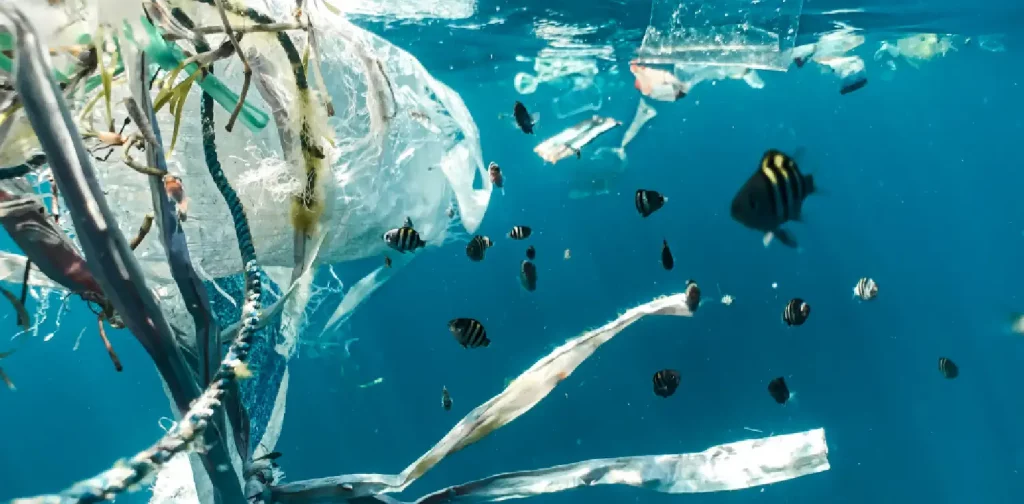
Photo: Naja Bertolt Jensen on Unsplash.
The oceans and seas are facing the threats of biodiversity loss and species extinction. As a vital part of the planet’s ecosystems, implementing effective and measurable conservation efforts for oceans and seas is critical. The International Union for Conservation of Nature (IUCN) launched new metrics to help quantify progress in ocean conservation to achieve global ocean biodiversity targets.
Marine Biodiversity Loss & Species Extinction
The oceans are home to thousands of species of animals, plants, and microorganisms. Unfortunately, many are on the brink of decline and extinction due to multiple issues, such as pollution, habitat destruction and loss, and unsustainable fishing. In 2022, the IUCN assessment found that over 1,550 marine animals and plants were at risk of extinction.
Actions are needed to halt marine biodiversity loss. Governments, businesses, organizations, and civil society stakeholders must implement effective and measurable efforts to create meaningful progress to address this issue. The IUCN’s newest metric, the Species Threat Abatement and Restoration (STAR), aims to help stakeholders quantify how much their actions can minimize risks to biodiversity and species and support the global goals for ocean conservation.
IUCN’s Marine STAR
The Species Threat Abatement and Restoration (STAR) metric was first launched in 2021 to measure potential actions in terrestrial areas. Now, the metric has been expanded to cover marine areas as well. It uses existing data of 1,646 species from the IUCN Red List of Threatened Species™ to identify potential areas where actions and mitigation efforts can be implemented to reduce species extinction risk.
The metric aims to facilitate governments, businesses, and organizations to gain a better understanding of how their actions are contributing to global efforts to halt marine biodiversity loss, including the Kunming-Montreal Global Biodiversity Framework (GBF)’s goal of conserving 30% of land, waters, and seas by 2030.
“Effectively halting [marine] biodiversity loss requires quantifying how protected areas contribute to biodiversity conservation and targeting the specific actions which would deliver genuine benefits for biodiversity,” said IUCN experts. “The production of appropriate marine biodiversity metrics and tools is therefore crucial to engage with and guide decision-makers, businesses, and civil society.”
Ways Forward in Ocean Conservation Efforts
As the threats of climate change and other crises are growing, every key stakeholder must take action to support ocean conservation efforts. This includes scaling up existing initiatives and implementing innovations through collaborations and technologies. Therefore, the IUCN’s STAR metric will hopefully help drive concrete actions and meaningful progress from these key actors to protect and conserve our oceans and seas.

Kresentia Madina
Madina is the Assistant Manager of Stakeholder Engagement at Green Network Asia. She holds a bachelor’s degree in English Studies from Universitas Indonesia. As part of the GNA In-House Team, she supports the organization's multi-stakeholder engagement across international organizations, governments, businesses, civil society, and grassroots communities through digital publications, events, capacity building, and research.
 Whimsymaxxing and Beyond: Rethinking the Waste Behind Viral Trends
  Seeking Guidance from Karl Marx to Face the Climate Catastrophe
  Indonesia’s Greenwashing Diplomacy at COP31 and Beyond
  The Textile Industry Is Growing, and So Is Textile Wastewater
  EESG: We Need a New Economic Narrative for Sustainability in the Age of AI, Energy Crisis, and Geopolitical Divide
  The Continued Struggle for Equality and Dignity in Women’s Sportswear