

FAO Published the Guidelines for Sustainable Aquaculture
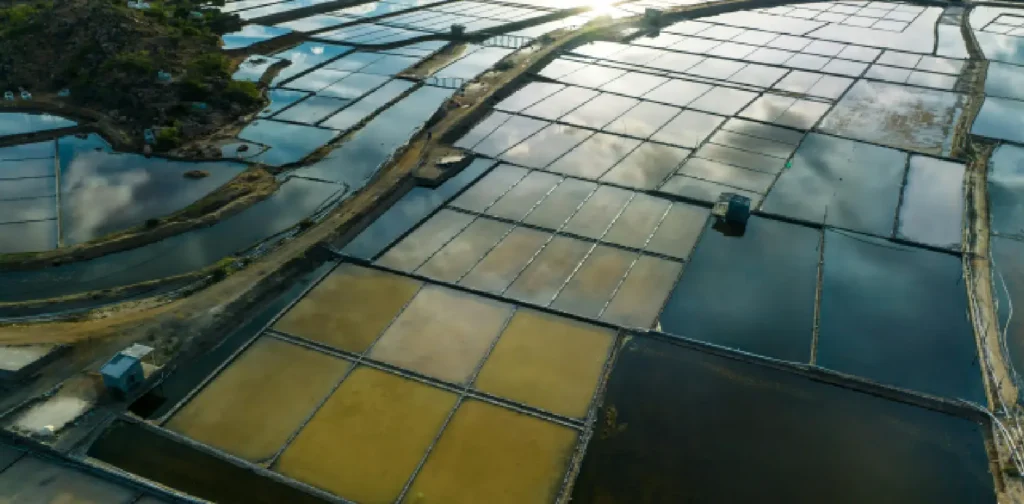
Photo: Dat Tae Studio on Pexels.
Aquaculture significantly contributes to food production. The sector has been expanding and developing as global demand and population grow, yet there are challenges in implementing sustainable and responsible practices. In this light, the Food and Agriculture Organization (FAO) has published the Guidelines for Sustainable Aquaculture document to address challenges and support growth in aquaculture.
FAO’s Guidelines for Sustainable Aquaculture
Aquaculture involves cultivating fish, shellfish, aquatic plants, and other organisms in controlled or semi-natural environments. The sector has developed rapidly in the last two decades, with aquatic animal production reaching 60% above the 1990s average in 2020. That year, fisheries and aquaculture production reached an all-time high of 214 million tonnes.
This rapid expansion has raised the matter of responsible practices and sustainability in aquaculture. Negative environmental impacts, poor working conditions, and a lack of institutional support are among the problems that have emerged in the sector. FAO aims to tackle these issues through the Guidelines for Sustainable Aquaculture (GSA).
The GSA is a comprehensive document that provides a detailed list of conditions and actions to support the development and intensification of sustainable aquaculture. It is a tool that countries can voluntarily adopt to ensure the sustainability of their aquaculture practices. Developed through a consultative process over eight years, the GSA is aligned with the Code of Conduct for Responsible Fisheries (CCRF) and the 2030 Agenda for Sustainable Development Goals (SDGs).
Good Governance and Other Actions
Sustainable aquaculture involves producing safe aquatic foods and other products in a manner that is environmentally and socially responsible, economically viable, and able to meet the needs of present and future generations. The GSA underscores the critical roles of good governance and comprehensive planning in enabling sustainable aquaculture. Establishing accountability, equity, and effectiveness principles is urgent to prevent resource misallocation, improve security, and reduce risks to society and farmers.
Furthermore, the guidelines highlight multiple ways aquaculture can minimize environmental impacts, such as by promoting water recycling systems, sustainable resource use, and ecosystem management. Meanwhile, enhancing social responsibilities in the sector cannot be overlooked. Sustainable aquaculture must involve providing access to social protection, ensuring safe, healthy, and fair working conditions, and respecting labor rights in the whole sector’s value chain.
Ensuring Sustainable Growth
With the proper implementation, monitoring, and evaluation, aquaculture production can majorly contribute to global food security. Therefore, governments and related stakeholders must work together to create an enabling environment for the sector to grow sustainably, primarily through national policy, regulation, and investment. Adopting the Guidelines for Sustainable Aquaculture by FAO can be one way to harness aquaculture’s potential while maintaining social and environmental balance.
Read the full document here.
Editor: Nazalea Kusuma

Kresentia Madina
Madina is the Assistant Manager of Stakeholder Engagement at Green Network Asia. She holds a bachelor’s degree in English Studies from Universitas Indonesia. As part of the GNA In-House Team, she supports the organization's multi-stakeholder engagement across international organizations, governments, businesses, civil society, and grassroots communities through digital publications, events, capacity building, and research.
 Whimsymaxxing and Beyond: Rethinking the Waste Behind Viral Trends
  Seeking Guidance from Karl Marx to Face the Climate Catastrophe
  Indonesia’s Greenwashing Diplomacy at COP31 and Beyond
  The Textile Industry Is Growing, and So Is Textile Wastewater
  EESG: We Need a New Economic Narrative for Sustainability in the Age of AI, Energy Crisis, and Geopolitical Divide
  The Continued Struggle for Equality and Dignity in Women’s Sportswear