

Regulating Businesses to Reduce Plastic Usage in the Philippines
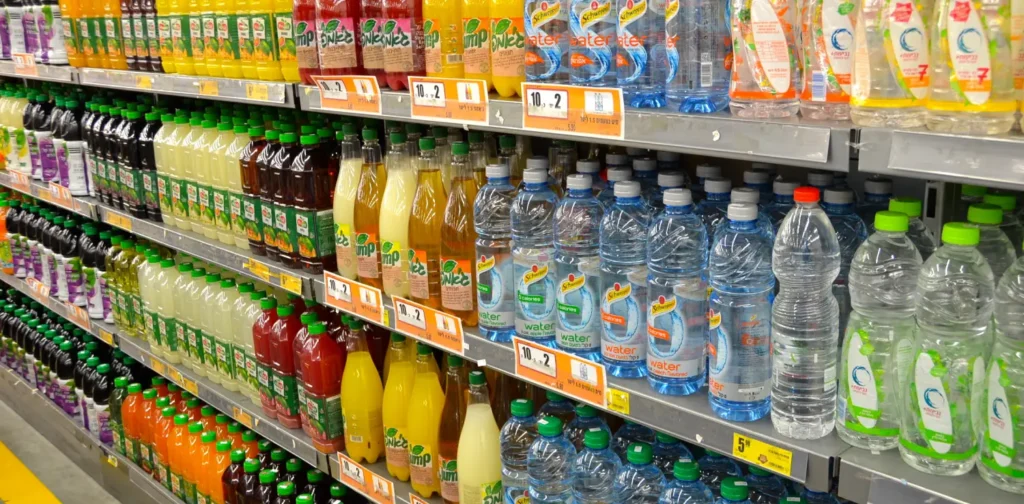
Photo: Adam Fagen on Flickr
The rapid industrialization and widespread use of plastic have caused serious environmental problems. Businesses are one of the major contributors to plastic waste, but they can also play a key role in solving the issue with clear commitments and proper regulations. Recently, the Philippines government has called on businesses to reduce plastic usage through regulation, with financial penalties for non-compliance.
Southeast Asia’s Plastic Problem
With high levels of plastic waste in its seas and rivers, Southeast Asia is one of the world’s biggest contributors to global plastic pollution. It is considered a major hotspot for plastic pollution, which is exacerbated by waste imports from developed countries.
Unfortunately, waste management in the area often relies on harmful methods, like landfills and incineration, and less than 50% of the waste generated is recycled.
Untreated plastic waste, blown by wind or washed by rain into waterways, often ends up in the ocean. Rapid-growing cities in Southeast Asia are responsible for 60% of plastic waste leakage into the environment. Moreover, plastic debris can be mistaken for food by marine life, which can eventually be consumed by humans and pose long-term health risks.
Mandating Large Companies to Reduce Plastic
As Southeast Asian countries share common seas, the transboundary movement of plastic pollution threatens the sustainability of the region’s environment and public health. Therefore, implementing strong regulations to control plastic pollution is imperative, especially for large industries.
In the Philippines, the government has urged large companies to reduce plastic use in production using the Extended Producer Responsibility (EPR) policy approach launched in 2022. It regulates the total amount of plastic used by large companies in production and requires them to redesign their products to be more efficient and to ensure proper waste management.
The regulation also mandates manufacturers to reduce plastic waste by 40% by the end of 2024 and by 80% by 2028. Over 1,000 companies are affected and must comply by December 2024 or face fines of up to $343,000. Additionally, companies must submit annual reports to an independent third-party auditor. These reports must detail the company’s plastic packaging footprint, the amount of plastic recovered, recovery rates, and compliance with the EPR program standards.
Law Enforcement and Shared Responsibility
Plastic pollution is a shared problem that requires a collective commitment to address. Several Southeast Asian countries have their own versions of the EPR, yet the effectiveness of these policies depends on their strict enforcement as well as how comprehensive and ambitious the regulations are.
Ultimately, governments must implement strong and fair laws to tackle environmental issues, while businesses must comply with these regulations to make a meaningful impact. A shared commitment, responsibility, and awareness to end plastic pollution are crucial for creating a cleaner, more sustainable, and healthier future for all.
Editor: Kresentia Madina & Nazalea Kusuma

Dinda Rahmania
Dinda Rahmania is an Assistant of International Partnerships at Green Network Asia. She holds a bachelor’s degree in International Relations from President University. As part of the GNA In-House Team, she supports the organization’s partnerships with international organizations, governments, businesses, and civil society worldwide through digital publications, events, capacity building, and research.
 Whimsymaxxing and Beyond: Rethinking the Waste Behind Viral Trends
  Seeking Guidance from Karl Marx to Face the Climate Catastrophe
  Indonesia’s Greenwashing Diplomacy at COP31 and Beyond
  The Textile Industry Is Growing, and So Is Textile Wastewater
  EESG: We Need a New Economic Narrative for Sustainability in the Age of AI, Energy Crisis, and Geopolitical Divide
  The Continued Struggle for Equality and Dignity in Women’s Sportswear