

Integrating Indigenous Practices into Australia’s Defense Against Heatwaves
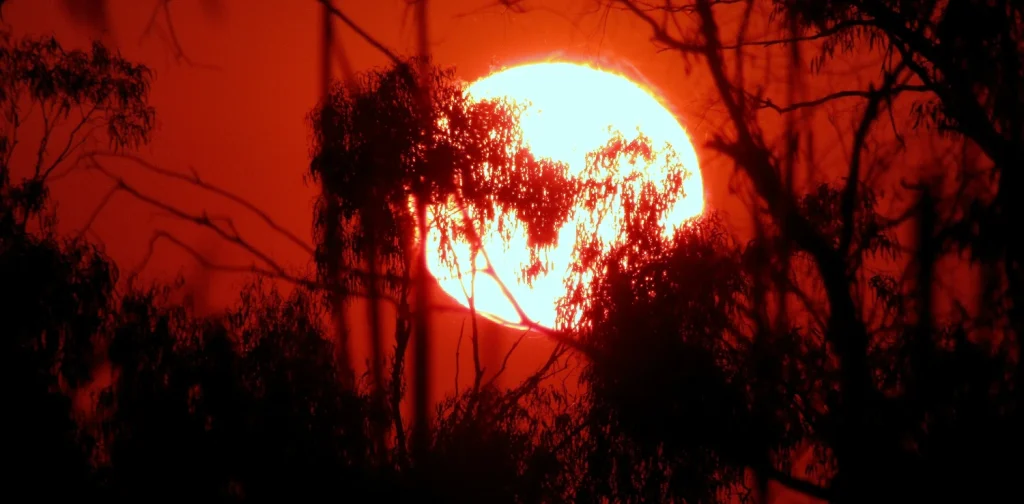
Photo: Craig Manners on Unsplash.
The planet is getting hotter, and the most obvious indication is the increasing frequency and intensity of heatwaves. In Australia, for example, low-intensity heatwaves are normal during summer days. However, extreme heatwaves are becoming more common, along with the rising threat of wildfires. In this light, can Indigenous practices be adopted to reduce the damage?
Australia’s Heat
A heatwave is a condition where the maximum and minimum temperatures are unusually high within a particular period of time at a given location. In Australia, heatwaves cause a greater number of deaths than other extreme weather events. Between 1844 and 2010, extreme heat weather was responsible for 5,332 deaths.
Unfortunately, heat risks are not lessening anytime soon as global temperatures are progressively increasing. According to the Commonwealth Scientific and Industrial Research Organisation (CSIRO), Australia has warmed by 1.51°C from 1910 to 2023 and is predicted to experience even more hot days in the future.
In January 2026, the southern part of Australia reached a record-breaking temperature at 50°C. An analysis suggests that this intense heatwave was mainly due to global heating. Like a chain reaction, it triggered and sped up the expansion of six major fires in the state of Victoria.
Dealing with Heatwaves Using Indigenous Practices
Aboriginal communities in northern Australia have developed social and cultural understanding that aligns with self-protection during heatwaves. Parts of this lifestyle are about the timing of social and cultural practices, avoiding exertion during extreme hot days, outdoor sleeping, and nocturnal activities in hot seasons.
Moreover, Australia’s First Nations peoples have their own heat-related disaster preparedness. For instance, their way of reducing the threat of wildfires is by conducting cultural burning. Cultural burning is an Indigenous land management practice involving the controlled application of fire. It is time-sensitive, which means the flames are lit during a specific timing to ensure that they will not spread uncontrollably. The purpose of this practice is to lower the risk of fire hazards, regenerate native species, and protect wildlife.
Inequality and Vulnerability
But despite having practices and traditions to survive from the heat, Indigenous Peoples in Australia remain vulnerable. Historically, Aboriginal people in the central Northern Territory have been facing disproportional housing issues which affect their heat resilience. Due to colonization, they went through forced displacement. Then, only after they were allowed to return, the Northern Territory government started to build housing for them.
However, the housing development was done without cultural consideration nor community participation. As a result, these dwellings do not have adequate thermal performance. At the end of the day, they have to rely on air conditioners to cool down, which adds to their financial burden.
Toward Inclusive Heat Resilience
Heatwaves are now a part of life. Therefore, designing frameworks for inclusive heat resilience becomes imperative. For the Australian government, the first step is to recognize the specific needs and vulnerabilities of marginalized groups, such as Indigenous Peoples, in the National Adaptation Plan.
Furthermore, the ancient knowledge imbued in Indigenous practices and traditions is invaluable, and integrating them into disaster preparedness would be beneficial. So, the active participation of the First Nations people in policymaking, especially regarding climate change and land management, is essential. Their voices matter to measure the effectiveness of programs like the Indigenous Protected Areas and Indigenous Rangers Program. Meanwhile, the government can also support the funding of established Indigenous peoples-led initiatives like Wilya Janta to help them solve the housing crisis amidst recurring heatwaves.
Editor: Nazalea Kusuma
Co-create positive impact for people and the planet.
Amidst today’s increasingly complex global challenges, equipping yourself, team, and communities with interdisciplinary and cross-sectoral insights on sustainability-related issues and sustainable development is no longer optional — it is a strategic necessity to stay ahead and stay relevant.
 Beyond Fashion: The Environmental Cost Behind Animal Leather
  Addressing the Hidden Risk of Microplastics from Offshore Infrastructures
  Addressing Antimicrobial Resistance as More Than a Medical Issue
  Holding Harmful Industries Liable for Harm to Human Life and the Environment
  Clearing the Air of Despair Surrounding the Climate Crisis with Data
  How Do Wild Animals Survive Wildfires?