

Protecting the Rights of Migrant Children Through Child-Centered Policies
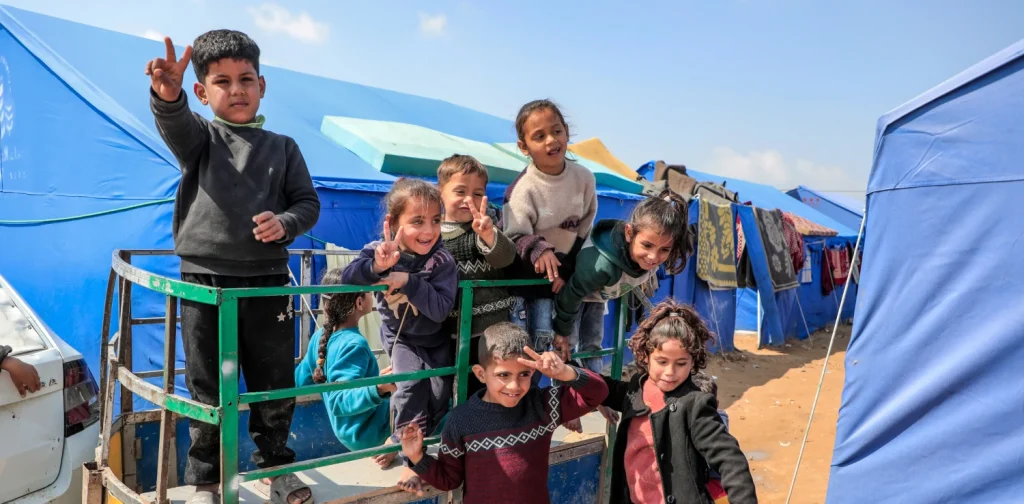
Photo: Mohammed Ibrahim on Unsplash.
Moving is a big decision that affects children and young people just as much as adults, if not more. For many children, migration brings opportunities such as better access to health care and education, improved economic conditions, and reunification with family. At the same time, it can also expose them to social isolation, structural discrimination, and a greater risk of exploitation. These risks heighten when the migration is also a displacement, not voluntary. Because migration experiences vary widely, strong legal protections and inclusive policies are needed to safeguard every migrant child. In a policy brief, UNICEF outlines several priority areas for governments to better protect children in the context of migration.
Defining Migrants and Child Migration
There is currently no universally accepted legal definition for the term “migrant”. Generally, the term refers to anyone living outside their country of origin, including those who hold visas for employment, education, or family reunification. To provide some standardization, the United Nations Department of Economic and Social Affairs (UN DESA) defines a long-term migrant as a person who moves to another country for at least 12 months.
Children and adolescents have long been part of cross-border migration flows, whether voluntary or by force. UNICEF estimates that there are currently between 37 to 42 million migrant children worldwide. Some migrate with their parents in search of better economic opportunities. Others, meanwhile, are forced to leave their home countries because of conflict, disaster, or other dangerous conditions that threaten their safety.
Protecting Children Throughout the Migration Journey
The migration journey can expose children to a range of risks that affect both their physical safety and emotional wellbeing. From administrative procedures prior to migration to their returns, each step can have lasting consequences for children’s development and overall welfare.
One of the most pressing concerns is immigration detention. Immigration detention involves confinement of individuals without their consent that does not necessarily result from criminal conduct. Instead, it is often linked to a person’s migration status. For children, immigration detention can seriously undermine their health, wellbeing, and development by restricting their freedom, disrupting family life, and limiting opportunities for education, play, and social interaction.
In certain cases of migration, children can also face challenges during return and reintegration. Return refers to the process of going back to one’s home country, while reintegration involves rebuilding life within the local community. During this process, children are often overlooked, leaving them vulnerable to mental health challenges, discrimination, social and economic exclusion, exploitation, and other forms of violence.
To address these risks, UNICEF recommends adopting a child-centered approach throughout every stage of the migration journey. This includes ending the immigration detention of children and replacing it with community-based care and shelter arrangements that uphold the rights of the child, the family, and the community. Similarly, return and reintegration processes should follow a child rights-based approach. The framework may vary depending on cultures and other aspects. Overall, the process must prioritize the best interests of the child and provide reintegration support tailored to each child’s needs.
In addition, UNICEF also encourages governments to strengthen family-oriented migration policies in general. States can do so by expanding regular migration pathways, simplifying family reunification procedures, and enhancing cross border cooperation in cases involving unaccompanied children.
Promoting Inclusion and Long-Term Development
Successful migration goes beyond the moving process. It also requires creating conditions that allow them to thrive after they arrive in the destination countries. Yet, many migrant children continue to face barriers to education, healthcare, and other essential services. These barriers often stem from something situational like language differences or financial hardship. They can also be structural, such as administrative requirements and discriminatory practices. Nevertheless, all of them can undermine children’s wellbeing and development.
To promote inclusion and long-term development, UNICEF urges governments to guarantee equal access to essential services for all migrant children, regardless of their migration status. Furthermore, the policy brief also highlights the importance of learning-to-earning opportunities for migrant children and youth. This means expanding their education and skills development through flexible learning systems, safe learning environments, and collaboration with schools and other relevant stakeholders. These measures help ensure that migrant children have the opportunities and support they need to thrive in their new communities.
Strengthening Systems for Child Protection
Protecting migrant children requires more than responding to individual cases. It depends on strong child protection systems that can identify risks, coordinate assistance, and respond effectively throughout every stage of the migration process. However, many countries continue to face challenges because of limited data on migrant children and fragmented coordination across national borders. These gaps make it difficult to develop evidence-based policies and ensure continuous protection for children on the move.
To strengthen child protection systems, UNICEF emphasizes the importance of investing in acquiring accurate and reliable data on migrant children. Better data enable governments to understand children’s needs, identify protection gaps, and develop evidence-based policies.
At the same time, governments should adopt a route-based approach to child protection. Strengthening national institutions, ensuring access to essential support services, and enhancing cross border cooperation are essential. Together, these measures help create a more coordinated and effective protection system that safeguards children’s rights throughout their migration journey.
Good Practices in Protecting Migrant Children
Several countries have adopted positive practices that align with UNICEF’s recommendations for safeguarding migrant children. Thailand, for example, has made significant progress by introducing policies that drastically reduce the immigration detention of minors. Instead of detention, the Thai government uses alternative care arrangements. Depending on their individual circumstances, children may be placed in child and family shelters managed by the Department of Children and Youth, reunited with their families, or supported through community-based programs.
Jordan has also made major investments in strengthening its child protection system. One notable example is its implementation of the principle of non-discrimination. This implementation ensures that every single child receives legal protection and care, regardless of their nationality, legal status, or identity.
Towards Effective Protection of Migrant Children
International legal and policy frameworks have established a strong foundation for protecting the rights of migrant children. Despite this, human rights violations continue to occur in many parts of the world. This troubling reality highlights the need for a stronger commitment and closer cooperation among nations and international organizations. The urgency for sustained collaboration and the consistent application of key human rights principles, such as inclusion and non-discrimination, is clear.
Ultimately, standards and frameworks must become more than just words on a page. Only through this unity can we protect the rights and best interests of all children around the world, including in the daily lives of migrant children.
Editor: Nazalea Kusuma

Co-create positive impact for people and the planet.
Amidst today’s increasingly complex global challenges, equipping yourself, team, and communities with interdisciplinary and cross-sectoral insights on sustainability-related issues and sustainable development is no longer optional — it is a strategic necessity to stay ahead and stay relevant.
 Seeking Guidance from Karl Marx to Face the Climate Catastrophe
  Indonesia’s Greenwashing Diplomacy at COP31 and Beyond
  The Textile Industry Is Growing, and So Is Textile Wastewater
  EESG: We Need a New Economic Narrative for Sustainability in the Age of AI, Energy Crisis, and Geopolitical Divide
  The Continued Struggle for Equality and Dignity in Women’s Sportswear
  Behavior Change for the Planet: Is composting worth it?