

Centering Caregiving through Equal Participation and Policy Support
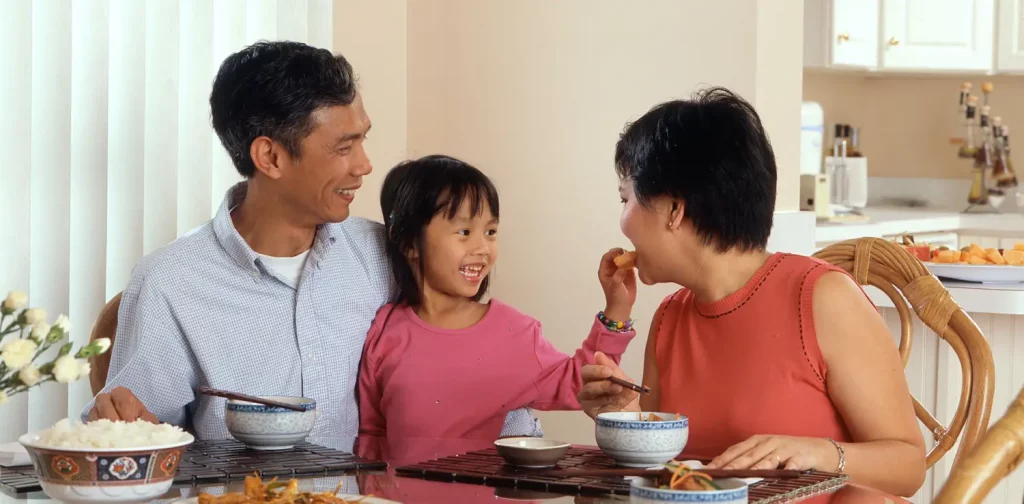
Photo: National Cancer Institute on Unsplash.
As human beings, we are responsible for caring for each other regardless of our differences. Yet, women have been bearing most of the weight of caregiving, often without help or proper wages. Then, how can we support equitable care systems in our daily lives? The social justice organization Equimundo looks into the state of men’s and women’s roles in care work and the barriers to equal participation in caregiving.
A ‘Traditionally’ Women Role
For years, the acts of cleaning, cooking, and taking care of children and older family members are traditionally seen as women’s responsibilities. While these kinds of unpaid care work are essential to how we care for each other, women often bear the ‘double burden’ when coupled with their paid work. Furthermore, paid care work is primarily carried out by women and is seen as less valuable economically.
Equimundo produced the State of the World’s Fathers 2023 report through an online survey covering nearly 12,000 people from 17 countries. It explores people’s perceptions of caregiving—who do the caregiving, how we care, and for whom. Notably, the report wants to affirm that care is central to our lives; thus, men, women, and people of all genders are responsible for caregiving.
Importance of Paid Care Leave
In general, the report finds that the importance of care work has been increasingly acknowledged. Based on the survey, men reported feeling equally responsible and doing more care work than before. However, women still do more hours of care work than men, though the gaps are small in some tasks. For instance, the report finds that women spend 3.3 hours on average for child emotional care while men spend 2.7 hours on the same task.
Despite the progress, there is still a long way to go to reach equal participation from men and women in caregiving. Lack of policy, regulation, and support are cited as one of the primary reasons why disparities persist. In general, over 50% of men and women participating in the report’s survey claim that political activism for care leave policies was important to them.
Parents especially highlighted the benefits of paid care leave, with 87% of mothers and 85% of fathers considering it beneficial for their families. However, almost half of the respondents shared that lack of remuneration is why they often don’t take all the available leave. This is especially true for men, who still earn more than women. The family often couldn’t afford to lose the income if the leaves weren’t fully paid.
Other important barriers to taking leave include fear of losing their job (40%), unsupportive managers (36%), or fear of being judged poorly by friends or colleagues for taking leave (18%).
Supporting Equal Participation in Caregiving
We are living in the middle of a polycrisis. Now more than ever, we owe it to each other to take care of our families, friends, and other people. Therefore, centering care work in our lives requires participation from everyone, including men, women, and people of all genders. Governments and companies must also advocate for care policies that encourage and support equal participation in caregiving.
The report concludes with a series of recommendations to achieve equal participation in caregiving, which can be summarized into six points:
- Center care systems in policies and public institutions.
- Advocate for a culture of care in all workplaces.
- Revolutionize the way boys are taught about care.
- Invest in care services measures equity in access to service coverage across income levels by gender and age.
- Normalize equal, non-transferable parental leave for caregivers at the national policy level.
- Generate mainstream media that portrays men and boys as caring and competent caregivers and normalizes care as universal.
Read the full report here.
Editor: Nazalea Kusuma
 The Warning Signals of Climate Change
  How Land Use and Climate Change Shape the Increasingly Precarious Balance of Global Deadwood Stocks
  The Injustice of Climate Finance: How Climate Change Is Draining Developing Nations
  The Need for One Health in Conservation
  Opportunities and Challenges in Implementing Biodiversity Credits for Biodiversity Financing in Indonesia
  How Climate Change Is Redrawing The Food Map