

How Waste-to-Energy Technology Transforms Municipal Solid Waste to Electricity
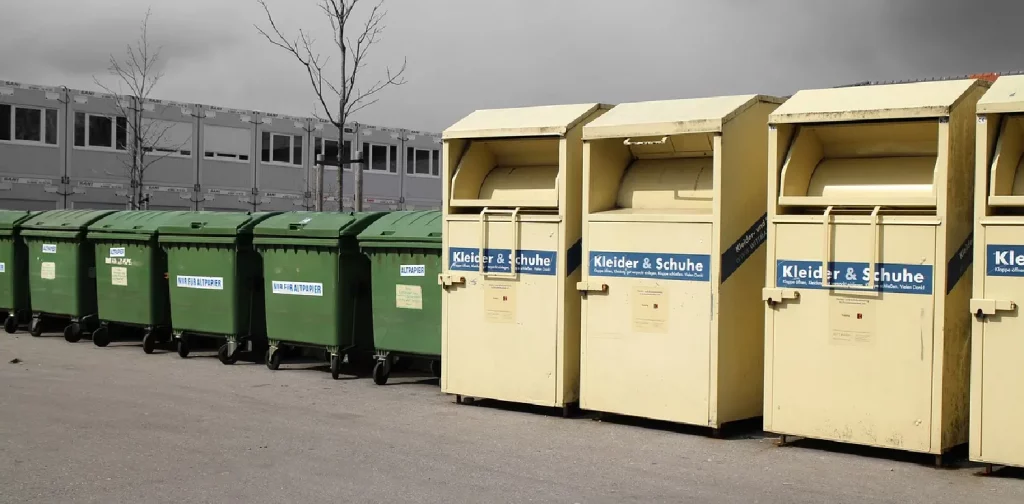
Photo by Manfred Antranias Zimmer on Pixabay
In a world where the scale of environmental challenges escalates, one might find hope in the unlikeliest of places—a landfill. With urban areas producing over two billion tons of solid waste each year, the urgency for effective waste management solutions has never been clearer. In response, waste-to-energy power plants are stepping up, providing a sustainable way to convert waste into power.
Waste-to-Energy Technology
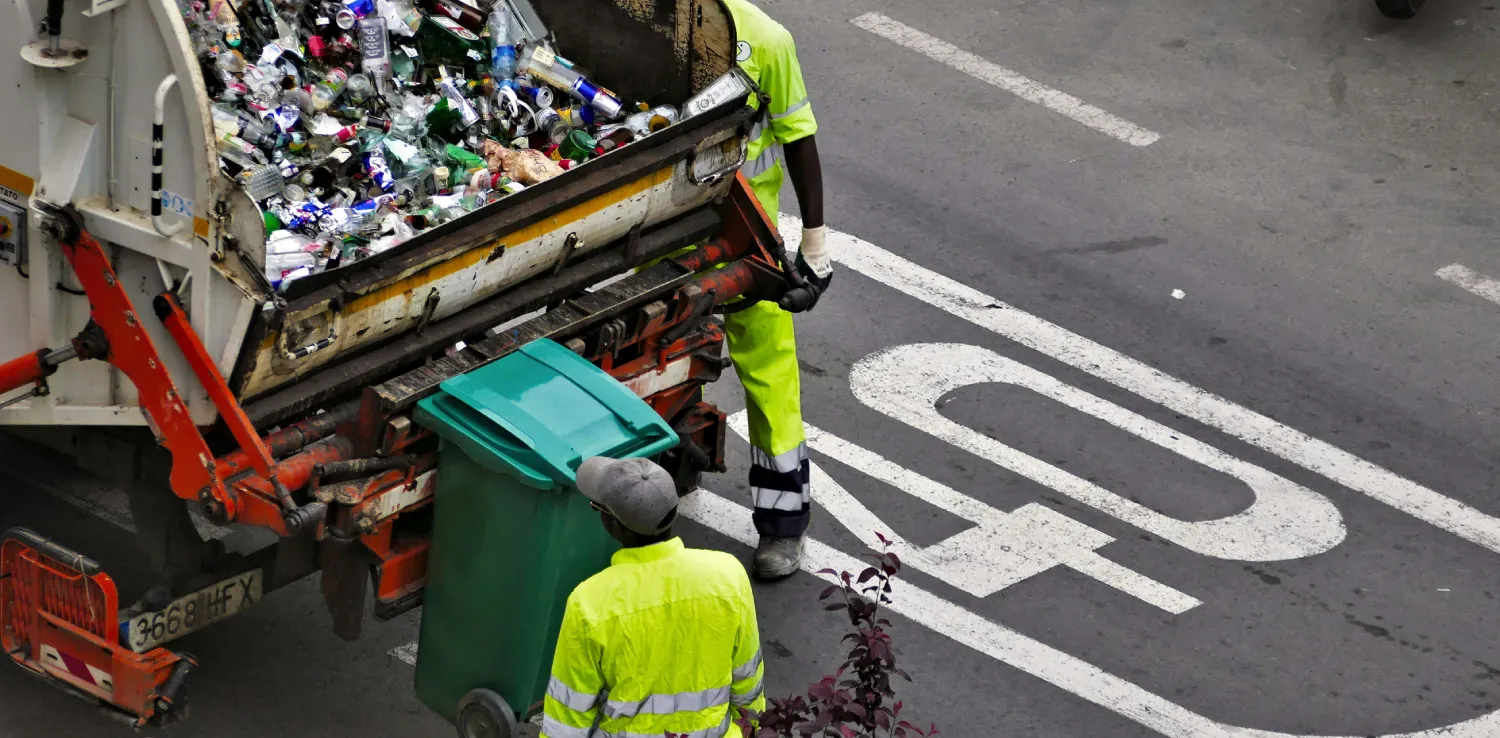
Imagine that pile of plastics and food waste could actually help power your home. Waste-to-energy plants efficiently manage municipal solid waste by safely burning non-recyclable materials. By incinerating a substantial portion of waste, these plants demonstrate their efficiency not only to generate energy but also to recover valuable resources. Materials rich in energy, such as paper, plastics, and biomass, are directed to waste-to-energy facilities for electricity generation.
Waste-to-energy initiatives offer multifaceted benefits, diverting materials from landfills and preventing the release of toxic substances into the environment. These initiatives also yield substantial energy outputs, providing heat and electricity crucial for various applications, while simultaneously addressing the challenge of waste accumulation.
Moreover, these processes are more environmentally sustainable, requiring no fossil fuels and contributing to greenhouse gas reduction instead. By cutting out landfill transportation expenses and generating revenue through energy sales, these initiatives are also economically viable. This emerging sector offers numerous employment opportunities in the era of green jobs.
With a focus on sustainability and cost-effectiveness, these plants offer a viable solution to waste management obstacles while contributing to energy production and resource conservation efforts.
Waste-to-Energy Initiatives
Waste-to-energy generation is being increasingly considered a potential energy diversification strategy, especially by Sweden, which has been a leader in waste-to-energy production. With 34 plants, fueled by both domestic and imported waste, Sweden is able to provide heat for nearly 1.5 million households and electricity for approximately 780,000 households.
In Asia, China’s “Municipal Waste to Energy Project” advances its waste-to-energy initiatives using environmentally friendly technologies. With four plants already in operation, these facilities together produce 480 gigawatts of electricity yearly, leading to a reduction of 544,000 tons of carbon dioxide equivalent annually. Private investments predominantly fund China’s incinerators, which are primarily profit-driven, and the expansion of these plants is undertaken with careful consideration.
Meanwhile, Japan stands out for its heavy reliance on gasification and direct melting technology in waste management. Despite the higher costs associated with gasification, Japan successfully implements the Direct Melting System (DMS), with capacities ranging from 10,000 to 230,000 tonnes of waste per year. This system can process various types of waste, including household, special, and clinical waste, as well as sewage sludge. Then, the energy produced supplies the public grid.
Future Advancements
Countries in Southeast Asia and other developing regions have the opportunity to use waste-to-energy technologies to deal with growing consumer waste. For instance, the pressing concern of the waste problem in Thailand has driven the nation to set this technology as part of its national agenda. Its 9.8-megawatt incinerator has been able to convert 500 metric tons of solid waste into electricity every day.
However, concerns about pollution from such facilities have arisen. In Indonesia, for instance, the Jakarta Forum for the Environment (Walhi) has voiced concerns against waste management facility construction due to environmental and public health risks, particularly regarding the facility’s proximity to residential areas. Therefore, it is crucial for stakeholders to collaborate and devise a comprehensive plan that ensures the project’s viability and safety, including active involvement from local communities.
The success or failure of renewable energy initiatives, like waste-to-energy technology, is influenced not only by technical factors but also by political and legal frameworks. Diverse, renewable, and reliable energy supply not only fills the gap in combating climate change but also promotes a circular economy and provides equitable energy access for all.
Ultimately, continued progress in waste-to-energy technology requires collaborative, multidisciplinary efforts from researchers, supportive government policies, and public-private investments in supporting responsible consumption and production while advancing a just energy transition worldwide.
Editor: Nazalea Kusuma
 Conservation Paradox: Managing the Overabundance of Endangered Koalas in South Australia
  Green Burnout: Sustainability Workers and Climate Activists Are Quietly Falling Apart
  The Warning Signals of Climate Change
  How Land Use and Climate Change Shape the Increasingly Precarious Balance of Global Deadwood Stocks
  The Injustice of Climate Finance: How Climate Change Is Draining Developing Nations
  The Need for One Health in Conservation