

The Cali Fund Calls for Private Sector Contribution in Halting Biodiversity Loss
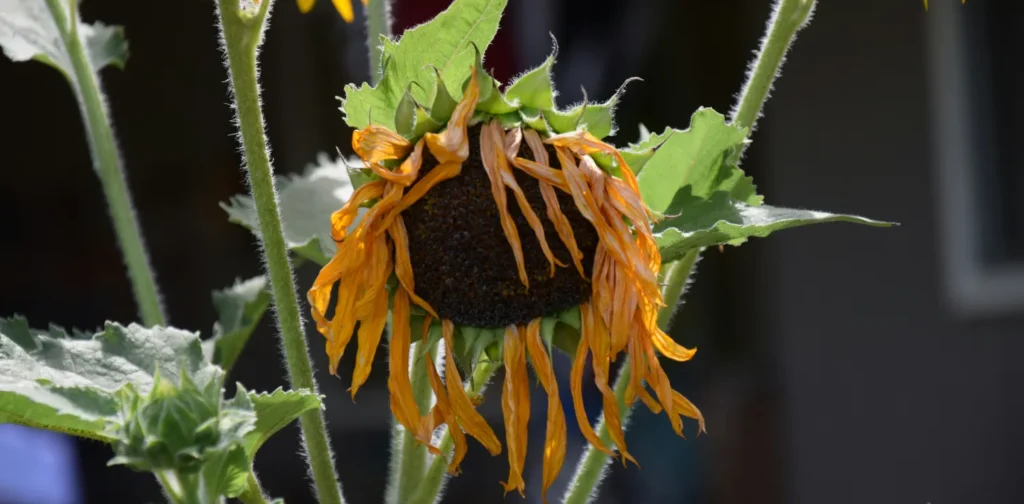
Photo: Jennifer Uppendahl on Unsplash.
We depend on biodiversity to support many aspects of our lives, from staple food and medicine to business and trades. Too many times, this dependency has led to overexploitation and biodiversity loss. Actions to halt and reverse this loss become urgent. In February 2025, the Cali Fund was officially launched to support funding for biodiversity actions.
Biodiversity Loss & Dependency
The Earth’s biodiversity is declining fast. The World Wildlife Fund’s Living Planet Report 2024 revealed that wildlife populations have declined by around 73% between 1970 and 2020. Overexploitation is listed as one of the main threats, along with habitat degradation and loss, invasive species and disease, and climate change.
Meanwhile, data by S&P Global on 1,200 largest companies across North America, Europe, Asia, Australia, and Latin America shows that 85% of them significantly depend on nature in their direct operations. This underscores the urgency of participation from the private sector in the efforts to halt and reverse biodiversity loss.
The Cali Fund
In February 2025, Parties of the Convention on Biological Diversity (CBD) officially launched the Cali Fund on the second day of the resumed COP16 session. The fund is a part of a Multilateral Mechanism adopted at COP15 in 2022, along with the Kunming-Montreal Global Biodiversity Framework.
In essence, the Cali Fund aims to mobilize funding to support biodiversity actions worldwide. It underscores the role of large companies and entities that reap commercial benefits from the use of Digital Sequence Information (DSI) on genetic resources in contributing a portion of their profits or revenues. DSI on genetic resources refers to data derived from dematerialized genetic resources. The sectors include pharmaceuticals, cosmetics, biotechnology, and even artificial intelligence.
“For the first time since the inception of the Convention, a global fund under the Conference of the Parties will receive contributions from the private sector in the form of levies from business income generated thanks to the use of digital sequence information on genetic resources. This is an eloquent and concrete expression of business commitment to give back to nature, and a major win under the CBD,” said Astrid Schomaker, the Executive Secretary of the CBD.
Another notable point is that 50% of the Cali Fund’s resources will be allocated for the Indigenous Peoples and Local Communities, including women and youth, to strengthen their roles in biodiversity actions.
Accelerating Biodiversity Actions
Eventually, the disbursement of the Cali Fund will support and enhance the implementation of the Kunming-Montreal Global Biodiversity Framework and other national-level action plans developed by country Parties.
As governments, businesses, and civil society all benefit from biodiversity, it is only right that we all join hands in the effort to protect our biodiversity. This funding scheme highlights the importance of multi-stakeholder participation in creating progress through sustainable development.

Kresentia Madina
Madina is the Assistant Manager of Stakeholder Engagement at Green Network Asia. She holds a bachelor’s degree in English Studies from Universitas Indonesia. As part of the GNA In-House Team, she supports the organization's multi-stakeholder engagement across international organizations, governments, businesses, civil society, and grassroots communities through digital publications, events, capacity building, and research.
 Women in Waste Management: Asia’s Circularity Runs on Women. Its Policies Still Don’t
  Embracing the Business Value of Sustainability
  American Farmers Call for Government Support Amidst PFAS Contamination
  Asia Pacific’s SDG Progress Faces Major Setbacks
  Exploring the Bidirectional Relationship Between Olympic Games and the Environment
  The Hidden Threat of Tire Pollution to Salmon Populations