

Empowering Migrants Against Climate Disasters
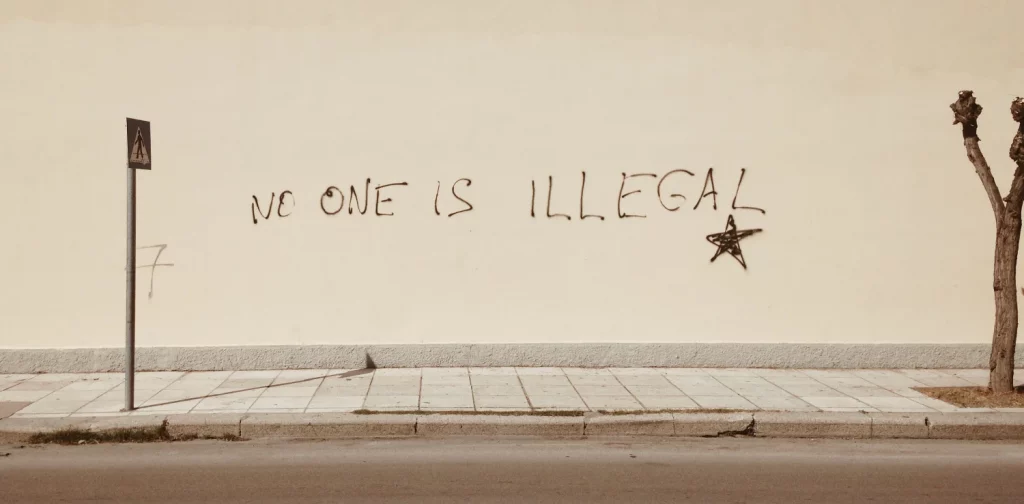
Photo by Miko Guziuk on Unsplash.
Migration has been a part of our world’s development as people seek refuge and employment in other countries. Yet, they often don’t get enough protection to be able to lead a decent life. As we are grappling with climate change, protecting migrants has become fundamental for countries, especially those that are prone to climate-related disasters.
Climate, Migrants, and Protections
Climate change affects all of us regardless of our citizenship. As the planet is suffering from climate-related disasters, many people are forced to relocate in search of a safe place to continue living. This especially rings true in Southeast Asia, whose countries are particularly vulnerable to disasters like floods, droughts, and storms. Unfortunately, they and others who migrate for various reasons are threatened due to insufficient protections.
Migrants become particularly vulnerable during climate emergencies. This is because they are often not included in the national or local-level disaster preparedness and response plans, causing them to lack access to credible information and social protections.
In response to this, the International Organization for Migration (IOM) facilitates the implementation of the Migrants in Countries in Crisis (MICIC) initiative to support migrant protection efforts in countries experiencing crises.
Migrants in Countries in Crisis
As a part of the United Nations, the IOM aims to provide services on migrations for national governments and migrants. This includes refugees, displaced persons, and migrant workers. The MICIC Initiative was launched in 2014 as a government-led effort co-chaired by the United States and the Philippines to “improve the protection of migrants when the countries in which they live, work, study, transit, or travel experience a conflict or natural disaster.”
In 2016, the MICIC Initiative developed a guideline titled “Guidelines to Protect Migrants in Countries Experiencing Conflict or Natural Disaster,” providing 15 practical guides on properly preparing for and responding to crises for stakeholders from local to international levels. As the name suggests, the guideline seeks to provide crisis-responsive actions that protect and empower migrants, leverage their capacities, and help migrants and communities recover from crises.
In Southeast Asia, the IOM has been developing the governments’ and partners’ capacity to adopt the MICIC principles and implement them as actions. Thailand was among the first countries to adopt these guidelines by providing training for more than 170 officials and 1,500 community members, ranging from workshops to live simulation exercises.
First, save lives
In the spirit of leaving no one behind, it is increasingly important for governments and all related stakeholders to take action to protect migrants. The MICIC initiative serves as guidance, both in principle and practice, for implementing measures that include migrants.
“It is now incumbent on us all not to let this guidance collect dust on bookshelves, but to put these Guidelines into practice around the world to reduce the suffering and despair of migrants affected by crises—situations of real despair we have witnessed too many times in recent years,” said Peter Sutherland, the Special Representative of the United Nations Secretary-General for International Migration.
Editor: Nazalea Kusuma

Co-create positive impact for people and the planet.
Amidst today’s increasingly complex global challenges, equipping yourself, team, and communities with interdisciplinary and cross-sectoral insights on sustainability-related issues and sustainable development is no longer optional — it is a strategic necessity to stay ahead and stay relevant.

Kresentia Madina
Madina is the Assistant Manager of Stakeholder Engagement at Green Network Asia. She holds a bachelor’s degree in English Studies from Universitas Indonesia. As part of the GNA In-House Team, she supports the organization's multi-stakeholder engagement across international organizations, governments, businesses, civil society, and grassroots communities through digital publications, events, capacity building, and research.
 Non-Economic Loss and Damage: Making sense of our intangible loss in a changing climate
  Unpacking SBTi’s Corporate Net-Zero Standard V2.0: Balancing Science and Business Realities
  Farmer Loneliness, the Overlooked Mental Health Crisis Within the Food System
  Conservation Paradox: Managing the Overabundance of Endangered Koalas in South Australia
  Green Burnout: Sustainability Workers and Climate Activists Are Quietly Falling Apart
  The Warning Signals of Climate Change