

Improving Sustainable Living in Singapore Through Green Towns Programme
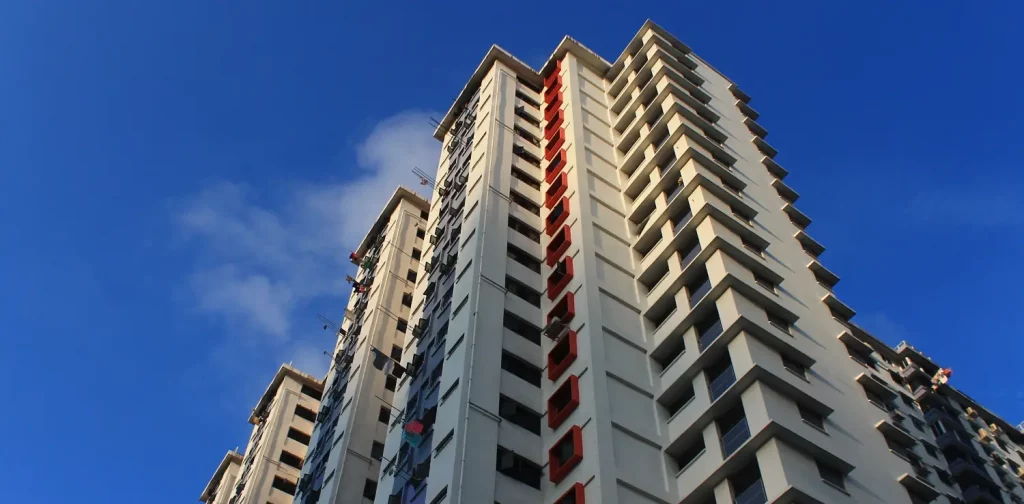
Photo by k z on Unsplash
There is no place like home. Shelters are one of humans’ basic needs. As the population grows, the number of residential buildings is popping up everywhere. Then, how can we make it liveable for us and sustainable for the environment?
Approximately 5.6 million people live in Singapore, and 80% of the population live in housing provided by Singapore’s Housing and Development Board (HDB). To improve the housing’s sustainability and livability, the board is commencing Green Towns Programme.
What is the Green Towns Programme?
The Housing and Development Board (HDB) is Singapore’s public housing authority. They develop affordable and better-living environments for Singapore’s citizens. The HDB is currently the dominant housing provider in Singapore, with approximately 54,000 apartments.
The Green Towns Programme is a 10-year plan to cut household energy consumption by 15% by 2030. There was a 1.7% decline in overall electricity consumption from 2019 to 2020, mainly due to the pandemic. However, there was an increase in the household sector from 7,681.3 GWh to 8,244.5 GWh. Seeing that the household sector accounts for 16.1% of electricity consumption that year, the Green Towns Programme is needed to cut back on electricity and other energy consumption.
How does this program work?
The Green Towns Programme focuses on adding facilities to reduce energy consumption, recycle rainwater, and decrease the housing temperature. The detail is as follow:
- Installing solar panels across HDB’s public estate. The solar panel has the potential to generate enough energy to power 135,500 HDB apartments with four rooms. There are currently 2,700 panels installed out of 8,400.
- Applying Smart LED Lighting in common areas. The light’s intensity is adjustable by motion sensors. It is estimated to cut down the energy used for lighting by up to 60 percent.
- Integrating urban water harvesting systems to recycle rainwater. The rainwater is stored in an underground harvesting tank, recycled, and used for washing common areas. This will cut back the water consumption by 50%.
- Painting the buildings with cool coatings to reduce the temperature in HDB living areas. The cool layers absorb less heat during the day and emit less heat at night. The aim is to reduce the overall environment temperature by 2 degrees celsius.
- Intensifying greenery by repurposing car parks into urban farms and community gardens.
Towards Singapore Green Plan 2030
Envisioning a sustainable country needs collective and intersectional efforts from many sectors. Singapore’s government aims to reach zero-net emissions through Singapore Green Plan 2030 and attempts from various sectors such as tourism and finance are underway. With their Green Towns Programme, HDB also contributes to making sustainable living possible for the citizens of Singapore.
Source: ASEAN Briefing, HDB
Editor: Nazalea Kusuma
Kresentia Madina
Madina is the Assistant Manager of Stakeholder Engagement at Green Network Asia. She holds a bachelor’s degree in English Studies from Universitas Indonesia. As part of the GNA In-House Team, she supports the organization's multi-stakeholder engagement across international organizations, governments, businesses, civil society, and grassroots communities through digital publications, events, capacity building, and research.
 The Invisible Infrastructure: What ASEAN’s Carbon Market Needs Most
  Indonesia Ruled to Recognize Chronic Illness as a Disability
  Clean Cooking as a Developmental Multiplier in Africa
  Congo Basin Peatlands Are Releasing Ancient Carbon
  From Anxiety to Action: How Youth Climate Activism Is Evolving
  India’s Supreme Court Declared Menstrual Health and Hygiene as Fundamental Rights