

An Interview with May Tan-Mullins, CEO and Provost of University of Reading Malaysia
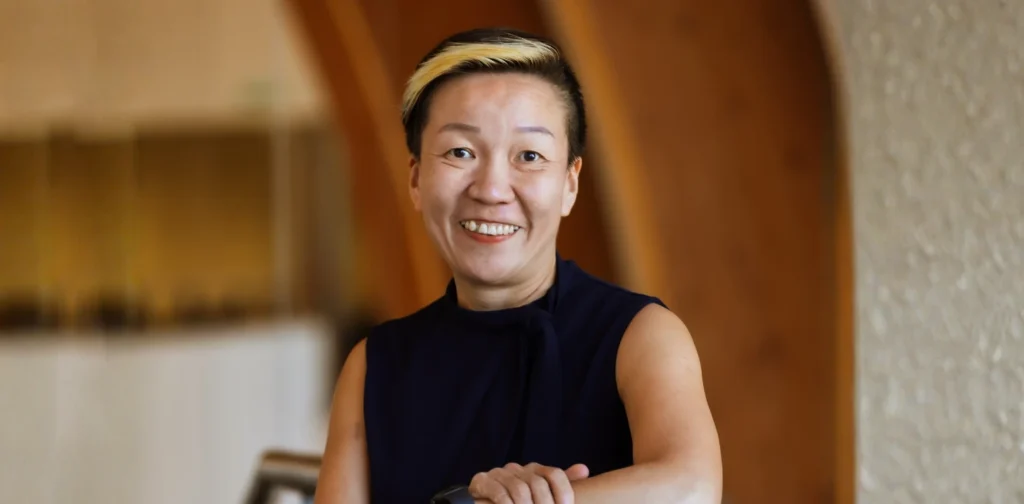
May Tan-Mullis, CEO and Provost of University of Reading Malaysia
Can you tell us about your role, experience, and expertise in or related to corporate sustainability?
I am a political ecologist by training, and my work focuses on how politics and environmental issues intersect, particularly within the energy sector and in questions of resilience for the past 30 years.
In addition to my academic background, I have practical experience engaging directly with organisations on corporate sustainability. For instance, I have trained Chinese state-owned enterprises operating in Africa on corporate social responsibility, helping them understand and implement responsible practices within complex political and environmental contexts. I also work with SNEF and SMEs on sustainability reporting, including developing sustainability journals and guiding them through carbon reporting requirements. In addition, I have delivered training for the Singapore Institute of Directors on sustainability-related issues, supporting board members and senior leaders in strengthening governance, understanding ESG expectations, and integrating sustainability into strategic decision-making.
Together, these experiences reflect a blend of academic expertise and hands-on engagement with organisations working to enhance their sustainability performance.
What aspects or issues are you most passionate about in corporate sustainability, and why?
I am particularly passionate about the social dimension of ESG, especially issues affecting people, resilience, and the human impacts of climate change. Much of my work involves engaging with multiple stakeholders to foster more equitable and inclusive outcomes, and I am deeply committed to approaches that support a fairer and more resilient world.
I am especially driven by SDG 14: Life Below Water. Both my undergraduate and PhD research examined the resilience of fishermen and the equitable distribution of marine resources, which has shaped my long-standing interest in sustainable oceans and coastal livelihoods. As a diver, I also have a personal connection to the marine environment—the peace and clarity of deep waters continually remind me of what we stand to protect.
These experiences fuel my commitment to ensuring that sustainability efforts prioritise people, livelihoods, and the ecosystems that support them.
How do you find the state of corporate sustainability today?
It’s mixed. On one hand, awareness has grown significantly, and many organisations have made meaningful progress. However, we are also seeing signs of slowdown and hesitancy, particularly in places like Singapore, where momentum has softened as companies grapple with economic pressures and shifting regulatory expectations.
Globally, the landscape has also been affected by political dynamics. For example, the recent direction under the Trump administration has not been supportive of strong climate action, which creates uncertainty and weakens collective efforts. Similarly, while major gatherings such as the COP conferences remain important platforms, their outcomes have often fallen short of what is needed—too many commitments, not enough implementation.
Overall, the world needs far more action and accountability. The science is clear, and the risks are real. What is lacking is not knowledge, but the political will and corporate courage to make the necessary changes at the speed required, and real action from all of us—the community.
What are the most pressing gaps and the most difficult challenges in corporate sustainability?
One of the most pressing gaps is the ongoing struggle to balance financial performance with environmental and social responsibilities. Many organisations still view sustainability as a cost rather than an investment, which slows meaningful progress.
Another major challenge is transparency and accountability. While reporting frameworks have improved, there remains significant variability in data quality, consistency, and honesty. Many companies still engage in selective disclosure or struggle to integrate sustainability metrics into core business decision-making.
There is also a fundamental issue of equity—between nations, industries, and even different social groups within the same society. Developing countries often bear the brunt of climate impacts despite contributing the least, while vulnerable communities and lower-income groups have fewer resources to adapt. Without addressing these inequities, global sustainability efforts will remain fragmented and unjust.
Together, these challenges reflect both structural barriers and value-based tensions that the corporate world must confront to achieve meaningful, long-term sustainability.
What are the biggest potential and opportunities you see to address those challenges?
Collaboration is the key word.
The biggest opportunities to address these challenges lie in integrated and collaborative approaches. First, companies can embrace long-term value creation that aligns financial performance with environmental and social impact, demonstrating that sustainability and profitability can reinforce each other rather than compete.
Second, improving transparency and accountability is another key opportunity. Standardising ESG reporting, leveraging technology for better data collection, and committing to independent verification can build trust with stakeholders and drive more responsible decision-making.
Third, there is also significant potential in cross-sectoral and multi-stakeholder collaboration. By working with governments, NGOs, communities, and other corporations, companies can share knowledge, pool resources, and implement solutions that are more equitable and effective, particularly across nations and social groups that are most vulnerable.
Finally, innovation both technological and social, offers enormous opportunities. From low-carbon energy solutions to inclusive business models, companies that embrace creativity and adaptability can tackle environmental challenges while supporting resilient and equitable societies. In essence, the greatest potential lies in aligning purpose, innovation, and collaboration to address sustainability challenges holistically.
What are the lessons you have learned so far from your experience in or related to corporate sustainability?
One of the key lessons I’ve learned is the critical importance of leadership. Sustainability initiatives succeed or fail largely based on whether leaders are genuinely committed, willing to make difficult decisions, and able to inspire their teams to act beyond short-term financial pressures. Equally important is having an open mind—sustainability challenges are complex and interconnected, and solutions often require listening to diverse perspectives, engaging multiple stakeholders, and being willing to adapt approaches as new insights emerge.
Finally, I’ve learned that values matter—doing the right thing. Organisations that embed clear ethical and environmental values into their culture are better positioned to make decisions that balance profit, people, and the planet, and to maintain resilience when facing challenges or trade-offs. In short, leadership, openness, and strong values are the foundations for meaningful and lasting corporate sustainability.
What are the most exciting initiatives that you are part of or have encountered?
One of the most exciting initiatives I’ve been part of is joining the University of Reading, where sustainability is not just an add-on but embedded across the institution—from teaching and research to operations. Being in an environment where real policies are implemented and translated into tangible changes has been incredibly inspiring.
Another exciting milestone is becoming CEO of UoRM, which provides a unique opportunity to bring the values and practices I experienced in the UK to Malaysia. This role allows me to innovate and create meaningful impact, shaping an institution that integrates sustainability into its culture, strategy, and operations, and influencing the broader community in the process. Both experiences highlight the power of leadership and institutional commitment to drive real, positive change in sustainability.
If you were to share advice you have learned that may be helpful to your peers and sustainability practitioners around the world, what would that be?
One key piece of advice I would share is that small steps can lead to significant impact. Change does not always have to be grandiose; even incremental improvements can cascade into broader transformation if there is the will to act.
Education and awareness are also critical. Helping people understand the why and how of sustainability often motivates action far more effectively than mandates alone. I’ve also learned the value of focusing on the 20/80 principle in people and students—investing effort in the 20% who are most motivated or receptive (champions) can inspire and influence the remaining 80%, creating a ripple effect that drives broader engagement and cultural change. By identifying the most influential levers for change, sustainability practitioners can maximise results, inspire others, and maintain momentum even in complex or resource-constrained environments.
In short: take small, strategic actions, educate and engage stakeholders, and maintain the determination to drive meaningful change.
This exclusive interview is part of the GNA X UNGCNS Special Report on Corporate Sustainability, published in collaboration between Green Network Asia and the United Nations Global Compact Network Singapore.

Co-create positive impact for people and the planet.
Amidst today’s increasingly complex global challenges, equipping yourself, team, and communities with interdisciplinary and cross-sectoral insights on sustainability-related issues and sustainable development is no longer optional — it is a strategic necessity to stay ahead and stay relevant.
 Clean Cooking as a Developmental Multiplier in Africa
  Congo Basin Peatlands Are Releasing Ancient Carbon
  From Anxiety to Action: How Youth Climate Activism Is Evolving
  India’s Supreme Court Declared Menstrual Health and Hygiene as Fundamental Rights
  Impacts of E-waste Pollution on Animals and Human Health
  Africa’s Solar Energy Surge: Why 2025 Was a Breakthrough Year