

How New Zealand Seeks to Tackle Bed Poverty
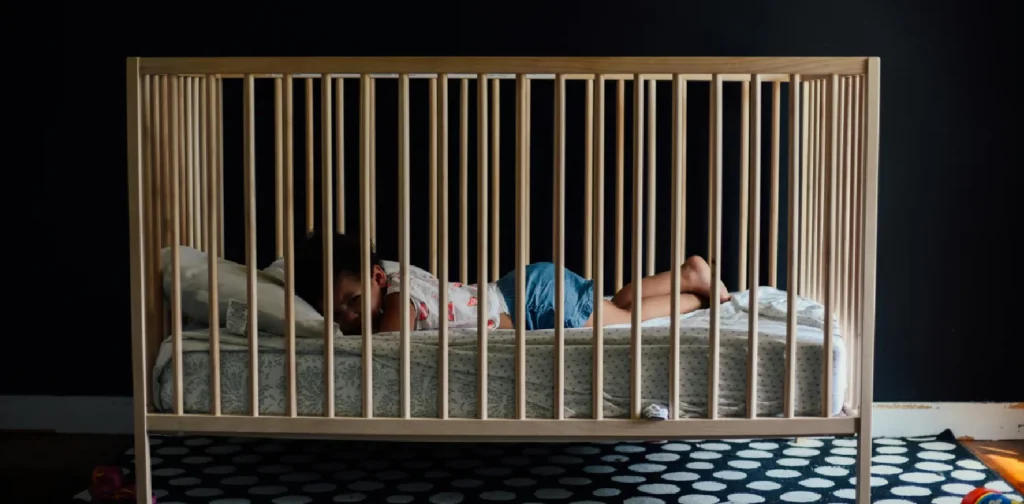
Photo: Emma Bauso on Pexels.
Sleep is important for our bodies. Beyond the duration, the quality of a good sleep is also essential to our health. Achieving this requires households to have adequate beds in good conditions, which can be hard for those living in poverty. In New Zealand, the government and organizations have been partnering to address the bed poverty issue.
What Is Bed Poverty?
Bed poverty generally refers to inadequate bed conditions experienced by impoverished people. Ali Cooper, Senior Policy Advisor on Child Poverty at UK-based charity organization Barnado’s, explored different conditions that fall under the category of bed poverty:
- Broken beds and damaged bedding
- Sharing beds and rooms
- Sleeping on the floor
- Inability to wash bedding
These conditions are caused by households’ inability to afford new beds or energy to maintain the quality of existing beds.
In New Zealand, where the child poverty rate remains high, bed poverty is a prevalent issue. A children’s charity organization, Variety, reported that one in ten children living in poor communities do not have their own beds. As a result, these children are more prone to contracting preventable respiratory illnesses and skin infections, reaching over 28,000 hospitalization cases.
The Healthy Homes Initiatives
Between 2013 and 2015, the Government of New Zealand established the Healthy Homes Initiatives (HHI) to assist low-income families living in crowded households with a high risk of rheumatic fever. Initially covering only 11 district health boards, the program has expanded nationwide since 2016.
After identifying eligible families, the HHI conducts a comprehensive assessment and formulates specific action plans to create a warmer, drier, and healthier home. This intervention includes helping families get beds and bedding and pay for their energy bills, which are essential in ending bed poverty.
To widen the scale of the impacts, HHI works with multiple organizations and healthcare agencies across the nation. For instance, Variety’s Beds for Kids program, implemented in partnership with HHI, aims to raise $400,000 to provide new beds and bedding for 1,100 children.
Creating Safe Homes for All
A three-year evaluation document shows that the HHI intervention has reduced the number of hospitalizations per person by 19.8%. Meanwhile, the remaining hospitalizations were less severe. This shows that ending bed poverty is essential to creating a safe and healthy home for all, especially for children. Sleeping in clean beds and living in sufficiently equipped houses will enable children to grow and thrive healthily towards a brighter future.
Editor: Nazalea Kusuma

Kresentia Madina
Madina is the Assistant Manager of Stakeholder Engagement at Green Network Asia. She holds a bachelor’s degree in English Studies from Universitas Indonesia. As part of the GNA In-House Team, she supports the organization's multi-stakeholder engagement across international organizations, governments, businesses, civil society, and grassroots communities through digital publications, events, capacity building, and research.
 The Invisible Infrastructure: What ASEAN’s Carbon Market Needs Most
  Indonesia Ruled to Recognize Chronic Illness as a Disability
  Clean Cooking as a Developmental Multiplier in Africa
  Congo Basin Peatlands Are Releasing Ancient Carbon
  From Anxiety to Action: How Youth Climate Activism Is Evolving
  India’s Supreme Court Declared Menstrual Health and Hygiene as Fundamental Rights