

How The Great Green Wall Evolves to Embrace Indigenous Land Management
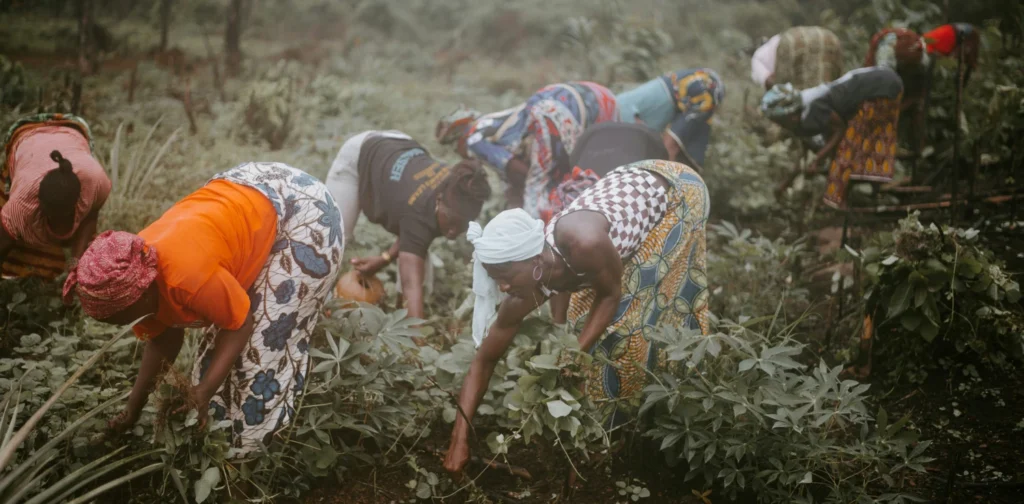
Photo: Annie Spratt on Unsplash.
More often than not, grand problems require grand solutions. When threatened with climate change, people, nations, and organizations work together in an attempt to achieve great environmental feats. Such is the case in the Sahel region, Africa, with the Great Green Wall project. This massive undertaking has shed light on the importance of embracing Indigenous land management techniques.
The Growth of the Great Green Wall
Of the many regions facing insecurity driven by environmental pressures, the Sahel in North-Central Africa is at the forefront. Numerous threats, such as climate change, political unrest, and economic instability, have aggravated food and water insecurity, gender inequality, and violence in the area. Decades of continued droughts and a fear that the Sahara was expanding led to calls for action. A solution to these overlapping crises was proposed by the African Council, with backing from the United Nations and other international stakeholders: the Great Green Wall.
The Great Green Wall is an initiative to restore land along a line across 11 countries from East to West Africa to help push back desertification and increase biodiversity. Started in 2007, early iterations of the Great Green Wall were simple. They replanted trees and shrubs on a mass scale, with very disjointed progress and constantly stalling plans. Trees were often planted in remote areas, where they subsequently died due to inadequate care and monitoring. When it became clear that progress was not happening, the focus shifted to long-term yield and more efficient land management strategies that were both sustainable and economically viable.
What started out as a tree-planting project has grown into a mission to re-examine land development wholly as a system. As results emerged over time, this change also fueled the support for and re-emergence of Indigenous farming techniques.
Highlighting Indigenous and Local Practices
In many parts of Africa, farmers are still restricted by legal frameworks shaped by colonial-era laws. These were the laws encouraging the growth of “cash crops” and external trade networks. Over time, many traditional farming techniques, which relied on deep knowledge of the land and used only local ecosystem resources, fell almost completely out of practice because they were supposedly inefficient for trading and profit.
But the Great Green Wall is giving way for those traditional practices to return. In fact, many of the best results came when local communities use their knowledge of the land to increase biodiversity. There is a recognition that the people who have inhabited that land will be able to best assess the right course of action, as no two areas will have the same requirements or outcomes.
In Burkina Faso, for example, farmers are utilizing “zai pits” to increase water retention in the soil. This technique has long been used in the region to harvest rainwater for the drier seasons. When this technique is combined with modern tools, it can support land restoration on a larger scale with more efficiency. It also has other indirect impacts, such as encouraging women’s leadership roles within the community.
Meanwhile, farmers in Niger use an approach called “Farmer Managed Natural Regeneration” (FMNR), a form of agroforestry that seeks to maintain and nourish existing trees and their seeds. By restoring this vegetation, local farmers can increase crop and farmland productivity while simultaneously recharging groundwater and soil moisture.
Upholding Indigenous Land Rights
As more research reveals that traditional land management techniques can produce the most efficient yields, the Sahelian countries and their traditional land restoration efforts have been getting more public recognition. Due to the project’s successes, landowners and local community leaders receive more agency in managing their territories. In Niger, for instance, the FMNR and its positive results led to a presidential decree granting farmers full rights to the resources on their land.
The progress the Great Green Wall initiative has made thus far points to a positive return of Indigenous land management and a reexamination of Indigenous land rights. Going forward, there is a need to find ways to marry traditional eco-restoration methods with modern tools and innovations. This can result not only in environmental reconstruction but also in social and economic reconstruction rooted in resilience, sustainability, and justice.
Editor: Nazalea Kusuma & Kresentia Madina
 The Hidden Threat of Tire Pollution to Salmon Populations
  Understanding the Climate-Care Nexus
  Role of Banks in Supporting Decent Work for All
  Natural Regeneration for a More Cost-Effective Forest Restoration
  UK’s Local Power Plan to Support Community Energy Development
  Global Shifts in Forest Dynamics and Their Impact on Biodiversity and Resilience