

Inclusive Sports as a Pathway to Disability Rights and Empowerment
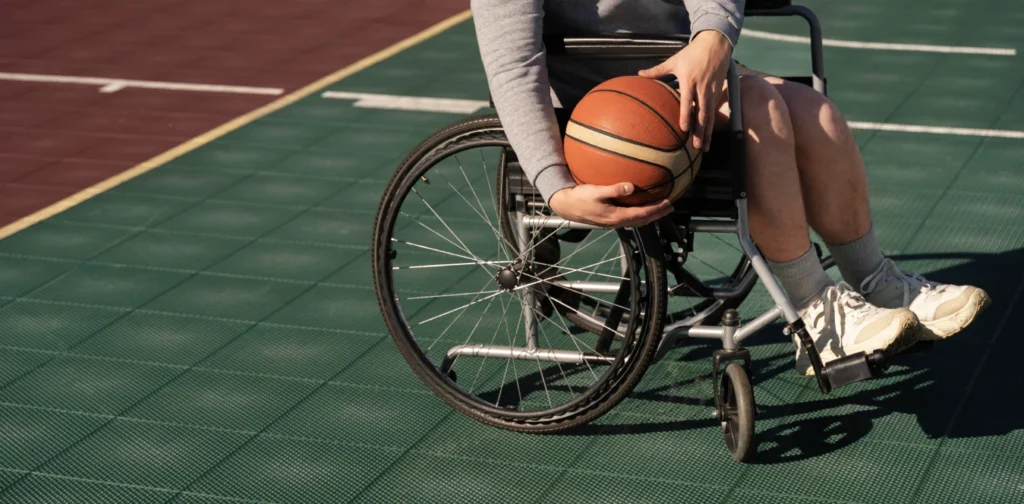
Photo: Freepik.
Sports are not merely about competition or entertainment. For persons with disabilities, sports serve as a medium for inclusion, empowerment, and the recognition of rights. Beyond physical benefits, inclusive sports programs open pathways to education, employment, and social participation. Around the world, inclusive sports initiatives show how sports can be a tool to advance disability rights while building a more equitable society.
Challenges in Access to Sports
Sports play a role in promoting health, strengthening social skills, and creating equal opportunities. As such, sports can help persons with disabilities improve physical health, reduce social isolation, and build self-confidence.
According to the World Health Organization (WHO), more than 1.3 billion people, or about 16% of the global population, live with disabilities. Despite being the largest minority group, they still experience discrimination as well as limited access to public services and opportunities, including to exercise and participate in sports.
These barriers take many forms. For instance, sports facilities are rarely designed with universal accessibility standards. Limited funding and the lack of supportive policies also restrict the availability of inclusive sports programs, hindering progress toward equality.
Initiatives for Inclusive Sports
Various initiatives around the world demonstrate how sports can serve as a medium for inclusion. In the United States, for instance, the United States Association of Blind Athletes (USABA) organizes visually impaired & blind soccer clinics for children ages 5–17 as a part of the PlayLA Adaptive Youth Sports Program. Open to all skill levels, the program is part of the preparation for the Los Angeles 2028 Paralympic Games.
In the Caribbean, the CAF – Development Bank of Latin America and the Caribbean collaborates with UNESCO and National Paralympic Committees in Jamaica, Trinidad & Tobago, and Barbados to promote inclusive sports. Their efforts focus not only on facilities, but also on training sports officials, developing public policies, and evaluating infrastructure to ensure equal access.
Meanwhile, in West Africa, the Plan2Inclusivize (P2I) initiative, developed by UNESCO and Plan International with support from the governments of Ireland and Finland, provides training programs for teachers, coaches, and field staff to make school sports and physical education more inclusive. Training materials are even translated into local languages and culturally adapted to expand reach and ensure community-level understanding.
Empowerment and Collaboration
More than just physical activity, sports are a means of empowerment. Sports can serve as a tool of social transformation by changing societal perceptions of disability. Paralympic athletes, for example, often become role models who inspire others and prove that differences are not barriers to achievement.
At the community level, sports also encourage social participation. Shared activities enable individuals with disabilities to establish networks, receive psychosocial support, and develop leadership skills. Sports can become a game-changer for inclusion, especially when supported by public policies that prioritize equality.
Ultimately, encouraging inclusive sports also means advancing the Sustainable Development Goals (SDGs), particularly in health, quality education, and reducing inequalities. With sustained investment, inclusive policies, and cross-sectoral collaboration, sports can be a space where everyone, without exception, has the opportunity to grow, thrive, and be a positive part of society.
Editor: Nazalea Kusuma & Kresentia Madina

Co-create positive impact for people and the planet.
Amidst today’s increasingly complex global challenges, equipping yourself, team, and communities with interdisciplinary and cross-sectoral insights on sustainability-related issues and sustainable development is no longer optional — it is a strategic necessity to stay ahead and stay relevant.
 Will the EU Ban on Destroying Unsold Clothes Reduce Textile Waste?
  How Extreme Heat Affects Human Livability
  Looking into Green Ramadan Initiatives Worldwide
  The Widespread Impacts of Severe Drought in Somalia
  Ensuring Access to Justice for Women and Girls
  The Invisible Infrastructure: What ASEAN’s Carbon Market Needs Most