

Promoting Elderly Care Systems in China’s Ageing Population
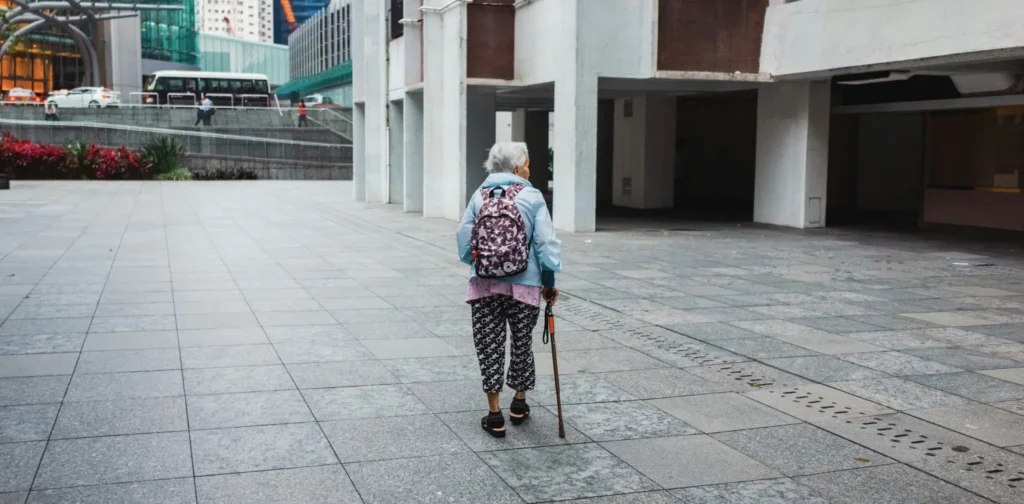
Photo: Brandon Lee on Unsplash.
Our ability to navigate life will slowly decrease when we surpass a certain age threshold. As a country with a rapidly ageing population, China must implement measures to expand and strengthen the elderly care system to accommodate more people from diverse backgrounds.
Ageing Population
Due to the significant development of the health sector, more and more people can live up to the age of 70 and beyond. In 2024, older persons accounted for roughly 10.3% of the world’s population. The United Nations predicts that the share will double to 20.7% fifty years later.
China’s population is among the fastest to age. Data by the Ministry of Civil Affairs revealed that the number of people aged 60 and above reached 297 million, or 21.1% of China’s total population. The population grew by roughly 17 million people compared to the previous year.
China’s Elderly Care System
From health deterioration to a ceased source of income, older persons face unique challenges in their daily lives. A comprehensive elderly care system becomes crucial to support their health and wellbeing. Healthcare services, assisted living, nursing homes, home care, and other forms of long-term assistance are among the necessary care options.
This diversity is especially important in China. Studies have found that most of the elderly prefer to receive care at home compared to nursing homes. Professor Winnie Yip from the Harvard T.H. Chan School of Public Health said, “This situation necessitates a comprehensive reform of the long-term care insurance system to ensure the well-being of the elderly, regardless of their financial status.”
On a national scale, the government has put forward measures to expand and strengthen its elderly care system by raising basic pension standards, implementing pilot programs for long-term care insurance, and promoting accessible education, facilities, and community-based solutions for the elderly.
Smart technologies are also being deployed to promote elderly care. In Shanghai, for instance, the local government utilizes a household water monitoring system to record water usage in apartments that house the elderly. This way, they can recognize changes in the water usage pattern and dispatch volunteers to check up on the elders when necessary.
Ensuring the Rights of Older Persons
In December 2024, the Ministry of Civil Affairs and 23 other departments released a guideline addressing specific measures to promote products that cater to the needs of older consumers. This highlights the multitude of factors that must be considered in developing stronger and more inclusive elderly care systems. Ultimately, ensuring the rights of older persons is an integral part of sustainable development and society, which requires support and participation from governments, businesses, and related organizations.
Editor: Nazalea Kusuma

Kresentia Madina
Madina is the Assistant Manager of Stakeholder Engagement at Green Network Asia. She holds a bachelor’s degree in English Studies from Universitas Indonesia. As part of the GNA In-House Team, she supports the organization's multi-stakeholder engagement across international organizations, governments, businesses, civil society, and grassroots communities through digital publications, events, capacity building, and research.
 Ensuring Access to Justice for Women and Girls
  The Invisible Infrastructure: What ASEAN’s Carbon Market Needs Most
  Indonesia Ruled to Recognize Chronic Illness as a Disability
  Clean Cooking as a Developmental Multiplier in Africa
  Congo Basin Peatlands Are Releasing Ancient Carbon
  From Anxiety to Action: How Youth Climate Activism Is Evolving