

Australia’s Progress Towards Circular Fashion
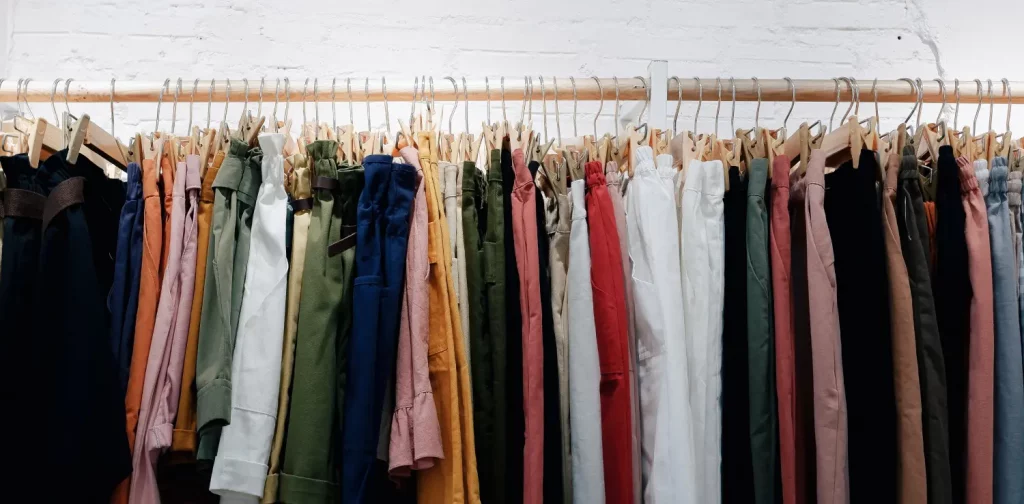
Photo: Lucas Hoang on Unsplash.
Did you know that 92 million tons of clothes are thrown into landfills yearly? To this day, textile waste remains a significant problem requiring the industry’s attention and actions from consumers and businesses alike. In Australia, progress is on to achieve fashion circularity by 2030.
The need for a circular fashion scheme
On average, one Australian buys 56 items of clothing yearly. Most of these clothes are made from non-sustainable materials. With a lack of national collection systems and processing infrastructure, more than 200,000 tons of clothing and textiles end up in landfills across Australia every year.
Recognizing this problem, the not-for-profit organization Australian Fashion Council (AFC) wants to create an innovative, resilient, and sustainable fashion industry. It connects the industry’s critical stakeholders to provide the resources, support, and tools to foster improvements. National Clothing Product Stewardship Scheme is one of AFC’s programs aiming for fashion circularity by 2030.
National Clothing Product Stewardship Scheme
Product stewardship refers to the “shared responsibility for reducing environmental and social impacts throughout the entire clothing life cycle.” In other words, it ensures sustainable, fair, and continuous cycles from production to consumption to recirculation. Sustainable clothing materials, fair wages for workers, and adequate infrastructure are a few aspects of the journey to circular fashion.
The National Clothing Product Stewardship Scheme (NCPSS) is a consortium led by AFC with members from Charitable Recycling Australia, Queensland University of Technology, Sustainable Resource Use, and WRAP. It is a government-funded cohesive scheme to achieve genuine collaboration between fashion brands, organizations, government, and individuals. The scheme operates with four key pillars in mind: design circularity, circular business models, closing the material loop, and changing consumer behavior.
“Change in the Australian clothing industry requires commitment from all members of the value chain for successful, longstanding results,” said WRAP’s Asia Pacific Managing Director Claire Kneller.
Towards Australia’s circular fashion
“The current business model is not sustainable across three areas: economically, socially, and environmentally. We are seeing that lots of brands are going under, unfortunately. Sales margins are declining, the pressure is on developing countries to reduce their costs, going to manmade materials that are corrosive,” said the AFC’s CEO Leila Naja Hibri.
The scheme is still in the preparation stage to fully operate in 2024. ItIn 2022, it released two reports on national clothing data and a global scan for fashion circularity initiatives in 2022. This year, the scheme calls for Australia’s major fashion and clothing players to join the pledge for circular fashion.
Leila raised a point, “And so how do we move away from that and have a much longer view of what we need to achieve and transform as an industry, and really disrupt ourselves instead of being disrupted, or to be disrupted, by government or by even consumers?”
Editor: Nazalea Kusuma
Kresentia Madina
Madina is the Assistant Manager of Stakeholder Engagement at Green Network Asia. She holds a bachelor’s degree in English Studies from Universitas Indonesia. As part of the GNA In-House Team, she supports the organization's multi-stakeholder engagement across international organizations, governments, businesses, civil society, and grassroots communities through digital publications, events, capacity building, and research.
 Impacts of E-waste Pollution on Animals and Human Health
  Africa’s Solar Energy Surge: Why 2025 Was a Breakthrough Year
  Agrihoods: Integrating Farms and Urban Neighborhoods into Sustainable Communities
  Women in Waste Management: Asia’s Circularity Runs on Women. Its Policies Still Don’t
  Embracing the Business Value of Sustainability
  American Farmers Call for Government Support Amidst PFAS Contamination