

SeaBRnet Helps Foster Sustainable Biosphere Reserve Management in Southeast Asia
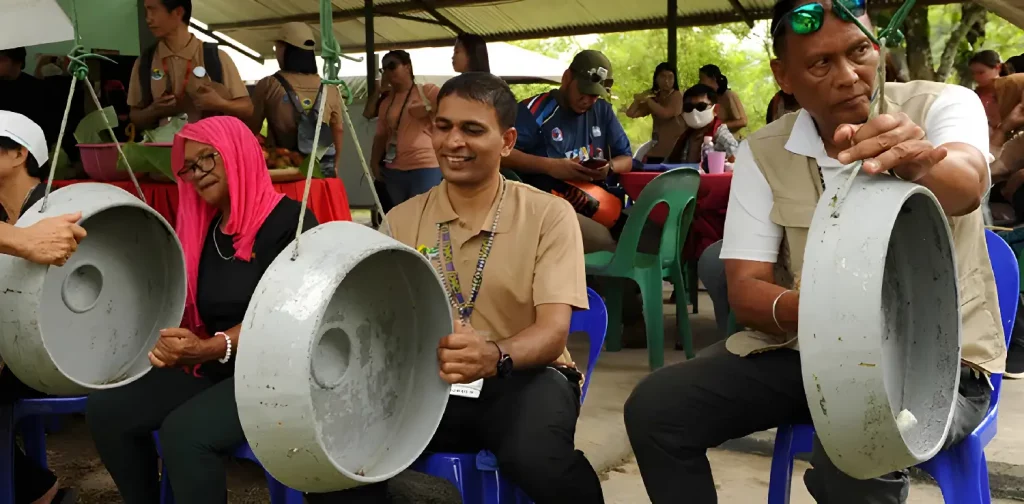
Photo: SeaBRnet 2023.
People and the environment are interconnected. It means that the efforts to improve human livelihoods must align with environmental preservation to create sustainable progress. The Southeast Asian Biosphere Reserve Network aims to enhance the relationship between people and nature through biosphere reserve management and community engagement.
Biosphere Reserve Management
The biosphere refers to all of the Earth’s parts where life exists. Animals, plants, and people coexist in the biosphere, and their livelihoods affect one another. For instance, the last few years have shown us how diseases can spread between animals and humans with COVID-19. Another example is how human activities are one of the primary causes of the climate crisis that contributes to biodiversity loss, poverty, and other crises. Therefore, developing a sustainable relationship between people and the environment is crucial.
Under the Man and the Biosphere (MAB) Programme, UNESCO established the World Network of Biosphere Reserves, which comprises Biosphere Sites from around the world. The Biosphere Sites are nominated by national governments and designated under the MAB Programme to foster the harmonious integration of people and nature for sustainable development.
Currently, the Asia-Pacific region has 176 biosphere reserves from a total of 748 worldwide. The Southeast Asian Biosphere Reserve Network (SeaBRnet) was established as one of the regional networks to support regional-specific cooperation.
The SeaBRnet
The SeaBRnet was first established in 1998, comprising Cambodia, Indonesia, Lao PDR, Malaysia, Myanmar, the Philippines, Thailand, Timor Leste, and Vietnam. The network intends to develop cooperation between countries on communication and visibility, tourism, green economy, and climate change issues in ecosystem and biosphere management.
On November 13-15, 2023, the SeaBRnet held its 14th annual meeting at Kota Kinabalu, Malaysia. The meeting served as a platform for knowledge exchange for researchers, policymakers, and civil society organizations from Southeast Asian countries, particularly on how community engagement and collaboration could foster better relationships between people and the environment.
At the end of the three-day meeting, the participants visited the Croker Range Biosphere Reserve, where a community-based approach was implemented to improve the area’s economic, social, and environmental conditions. Through the Community Use Zone, the community of 200 people practices sustainable agriculture, resource use, and tourism management in the area.
Prof. Hiroyuki Matsuda, UNESCO Chair on Education in Biosphere Reserves for Sustainable Societies, Yokohama National University, said, “I visited Crocker Range BR eight years ago, and bought a cardholder made by the local community as a souvenir. Today, I’m still using it. This is an example of a sustainable product produced in the Biosphere Reserve.”
People and the Environment
Human life cannot be separated from its environment. Supporting economic growth, social development, and environmental preservation must go hand-in-hand to create significant, meaningful, and sustainable improvements. Eventually, strengthening the commitment and initiatives from regional networks like SeaBRnet will hopefully solidify the relationships between people and the environment.
Editor: Nazalea Kusuma

Kresentia Madina
Madina is the Assistant Manager of Stakeholder Engagement at Green Network Asia. She holds a bachelor’s degree in English Studies from Universitas Indonesia. As part of the GNA In-House Team, she supports the organization's multi-stakeholder engagement across international organizations, governments, businesses, civil society, and grassroots communities through digital publications, events, capacity building, and research.
 Conservation Paradox: Managing the Overabundance of Endangered Koalas in South Australia
  Green Burnout: Sustainability Workers and Climate Activists Are Quietly Falling Apart
  The Warning Signals of Climate Change
  How Land Use and Climate Change Shape the Increasingly Precarious Balance of Global Deadwood Stocks
  The Injustice of Climate Finance: How Climate Change Is Draining Developing Nations
  The Need for One Health in Conservation