

American Farmers Call for Government Support Amidst PFAS Contamination
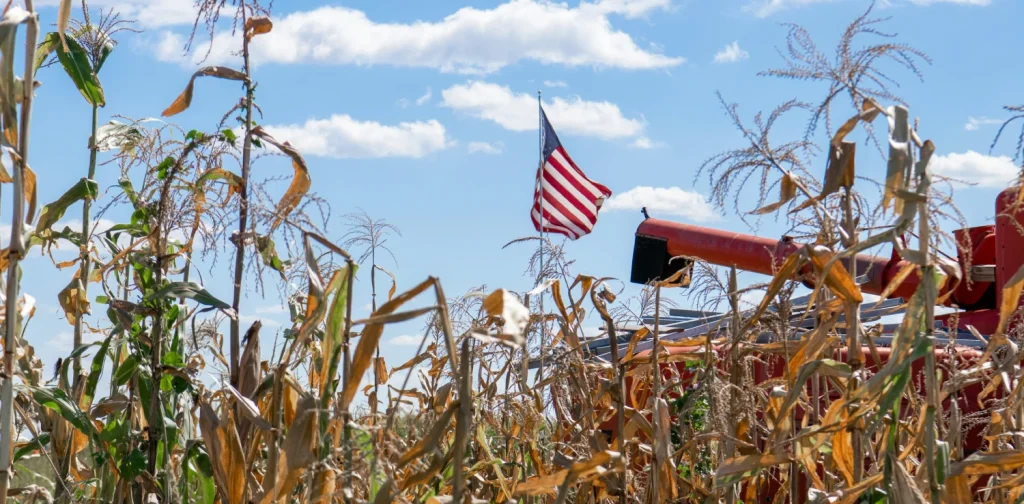
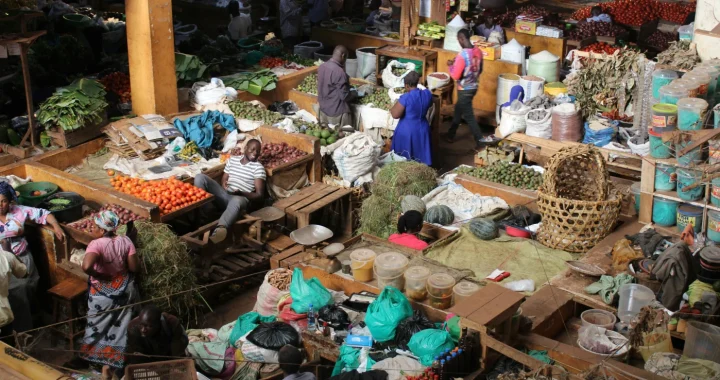
Photo: Kelsey Todd on Unsplash.
A new threat to food and water supply has emerged across American farms. In the last few years, chemicals called per- and polyfluoroalkyl substances (PFAS)have been identified in hundreds of farms. This affects not only farmers and their livelihoods but also putting consumers’ wellbeing at risk. In this light, state and federal governments are being called upon to act quickly to control the PFAS contamination and protect food and water supplies.
The Toxic Nature of Forever Chemicals
Per- and polyfluoroalkyl substances is a group of over 10,000 different compounds created artificially by connecting carbon and fluorine. The strong bond of carbon-fluorine means these compounds do not break down or degrade easily, thus earning PFAS the label of ‘forever chemicals’.
PFAS was created in the 1930’s and commercialized in the 1950’s. These compounds are resistant to water, oil, grease, and heat, leading to its widespread use in products such as cookware, packaging, clothing, and cosmetics.
Current research shows that PFAS has very adverse effects on humans. Certain levels of exposure can result in developmental defects in children, reproductive health risks in women, increased risks of cancers, hormonal problems, and decreased immunity. Additionally, studies of PFAS levels in blood have shown that about 95% of Americans have the chemicals present in their system.
PFAS Contamination in Agriculture
PFAS particularly has significant impacts in the agriculture industry. For many decades, wastewater treatment plants in the US process PFAS-infested waste from industrial and household sources. From this waste, came sewage sludge as residual runoff. This sewage sludge is also commonly treated and sold as “biosolids”, often marketed to farmers as a cheap and safe option for fertilizers.
The content of biosolids is spread in the soil, then travels to food, animals, and people. PFAS has been identified as a massive contaminant in the soil, affecting nearly 70 million acres of farmland across the US.
Maine and Michigan are among the top states most affected. Maine is the first state to identify the issue, having over 100 farms contaminated with PFAS as of January 2026. As a result, farmers are forced to close down or downsize significantly. They also spend large amounts of money in an attempt to clean their land, or even euthanize their livestock.
Meanwhile in Michigan, high levels of water contamination contribute to farmland deterioration. Some farms reveal PFAS contamination levels of over 2,000 times greater than the EPA’s safety limit.
Coming from a long line of agriculture families, many of these farmers had been using harmful biosolids for decades before the harmful effects were realized. They had trusted the companies that provided them with the biosolids, most of which were never properly tested.
Government Interventions
The prevalent PFAS contamination prompted state governments to intervene. Maine became the first state to ban the application, sale or distribution of biosolids in 2022.
It also established the PFAS Fund to support farmers whose land or water had been contaminated. The fund is used to award research grants and provide financial assistance such as loans and relief funds. Additionally, the fund is also used to purchase already-contaminated farms, which are then used to grow crops that absorb less PFAS and put any revenue back into the fund. Currently, the fund has distributed $6 million of its appropriated $60 million.
Furthermore, the Maine CDC provides health support for people who have high levels of PFAS in their systems and has lowered Maine’s limit on PFAS in drinking water. The state government, with assistance from third-parties, has also established mapping and database resources to help farmers track biosolids.
Similarly, in Michigan, an interactive map is helping provide information on the PFAS contamination levels in bodies of water, helping fishermen and consumers of fish. The state has also conducted extensive testing in farms, and established ongoing initiatives to monitor and reduce sources of PFAS. Additionally, Michigan also became the first state to establish an interagency organization, the Michigan PFAS Action Response Team.
More Work to Be Done
The scale of PFAS contamination in farms across the United States is staggering, yet progress remains stalled.
Bigger states like California, which also heavily relies on agriculture, still face heavy use of PFAS-containing pesticides and lack of regulation, as potentially helpful bills get vetoed. The Environmental Protection Agency under the Trump administration recently cut $15 million in funding from PFAS research. In this light, agricultural stakeholders have even put together a set of federal recommendations to address the contamination.
However, even as agricultural organizations, academic institutions, and research companies work to remediate this issue, progress will be limited without state and federal government intervention. This includes providing assistance and aid to farmers already affected, providing funding for testing and remediation, and banning the use of PFAS-infested biosolids. Mitigation efforts, such as exploring the use of biochar to absorb and stabilize PFAS, are also worth further examination.
Ultimately, there must be coordination between federal and state parties, farmers, and research organizations to enact widespread change to not only rectify past mistakes but to prevent even bigger ones.
Editor: Nazalea Kusuma & Kresentia Madina
Co-create positive impact for people and the planet.
Amidst today’s increasingly complex global challenges, equipping yourself, team, and communities with interdisciplinary and cross-sectoral insights on sustainability-related issues and sustainable development is no longer optional — it is a strategic necessity to stay ahead and stay relevant.
 The Rise of AI Companions: Support, Substitution, or Something Else?
  Environmental and Geopolitical Risks in the Development of Medog Hydropower Station
  What Australia Can Do to Help Prevent the Next Fire Crisis in Indonesia
  Looking into Gender Inequality in the Water Domain
  How the Earth’s Energy Imbalance Affects the Climate
  When Distant Conflict Ripples: How Global Supply Disruptions Find Africa