

Reflecting on Our Understanding of Disaster
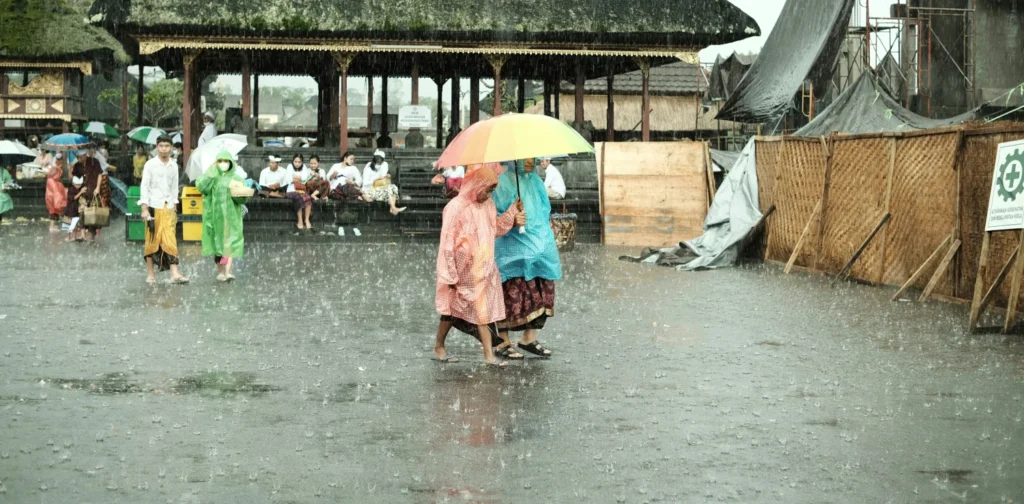
Photo: Aditya Nara on Unsplash.
As the climate crisis intensifies, the disasters we only see on the news might be inching closer to our reality than we think. This realization does not intend to incite fear, and this does not mean that the situation is beyond repair. Reflecting on our understanding of disaster, though, is the essential first step.
Escalating Risks
Around the world, disasters are getting more frequent and severe, and the Asia-Pacific region is the most disaster-prone region. Between 1970 and 2024, the region had 2.14 million fatalities and 7.20 billion people affected by disasters. In 2024 alone, there were more than 180 natural hazards and climate-induced extreme events, with most occurring in Southeast Asia. Meanwhile, South Asia reported the highest number of fatalities and people affected.
The year 2025 saw a similar trend. In December 2025, widespread flooding occurred across Southeast Asian countries, triggered by heavy tropical storms and torrential monsoon rains. The effects were immediate and devastating: more than 1,800 people were killed in Sri Lanka, Indonesia, Thailand, and Malaysia, with millions of others displaced and waiting for aid.
Furthermore, beyond the immediate aftermath, the impacts of disasters can last a long time. Displaced victims are often deprived of essential needs and care, including adequate nutrition, proper sanitation, and healthcare facilities. Massive and abrupt events can result in people losing important documents or belongings, which can lead to statelessness and difficulties in obtaining aid. Prolonged or repeated school closures disrupt children’s educational outcomes, significantly affecting their cognitive and psychological growth. The absence of a proper disaster management mechanism is highly detrimental to people’s long-term wellbeing, welfare, and development.
Our Understanding of Disaster
Disasters have historically been regarded as the result of forces beyond human control. While nature has its own flows and dynamics, we must deepen our understanding of disaster and recognize that human decisions primarily shape how we experience these phenomena.
How so? For one, they can be the root causes of disasters.
Take climate change, for instance. A WMO report states that the risk of extreme rainfall may increase with rising temperatures, as a warmer atmosphere holds more moisture. Meanwhile, another report found that atmospheric concentrations of key greenhouse gases, a well-known driver of rising temperatures, reached a record high in 2024 and are expected to continue to rise in 2025. Greenhouse gas emissions from fossil fuel use and other human activities remain the primary contributor to global warming.
Environmental degradation, often driven by economic gain, reduces the environment’s capacity to meet social and ecological needs. Even in projects supporting the energy transition, such as biomass production and critical mineral extraction, we must still monitor for potential harm from excessive deforestation and land conversion. The devastating Sumatra flood in the last months of 2025 is suspected to be linked to massive forest clearing for mining and palm oil plantations that have been going on for years, resulting in degraded slopes that can no longer absorb water.
More Aware, More Resilient
A deeper understanding of disaster cannot happen in silo; it must take into account other related aspects. There are issues of urban planning, social safety nets, and other critical mechanisms that have yet to sufficiently account for disaster risks. On a broader scale, structural issues such as poverty and inequality also determine who bears the brunt of disasters. Disasters disproportionately impact those with high vulnerability, such as women, children, older people, and people with disabilities.
This shows how disasters are not simply natural events, but also deeply intertwined with human decisions. Besides contributing to root causes, human decisions also play a central role in preventing disasters from becoming disastrous. Research, resources, funding, and innovation to strengthen disaster preparedness efforts can help build a more resilient society, especially in the face of escalating risks under the current trajectory of the climate crisis. All in all, a more comprehensive understanding of disaster is the first step to strengthening the disaster management mechanism, as well as a driving force for people in power to make careful political decisions that support people and the planet.
Editor: Nazalea Kusuma
 Untangling the Root Causes Underneath Lesotho’s Suicide Crisis
  Looking into the Inadequate Legal Recognition for Women’s Tenure Rights Across the Global South
  The Disproportionate Cost of Data Centers for Local Communities
  Will the EU Ban on Destroying Unsold Clothes Reduce Textile Waste?
  How Extreme Heat Affects Human Livability
  Looking into Green Ramadan Initiatives Worldwide