

The Hidden Threat of Tire Pollution to Salmon Populations
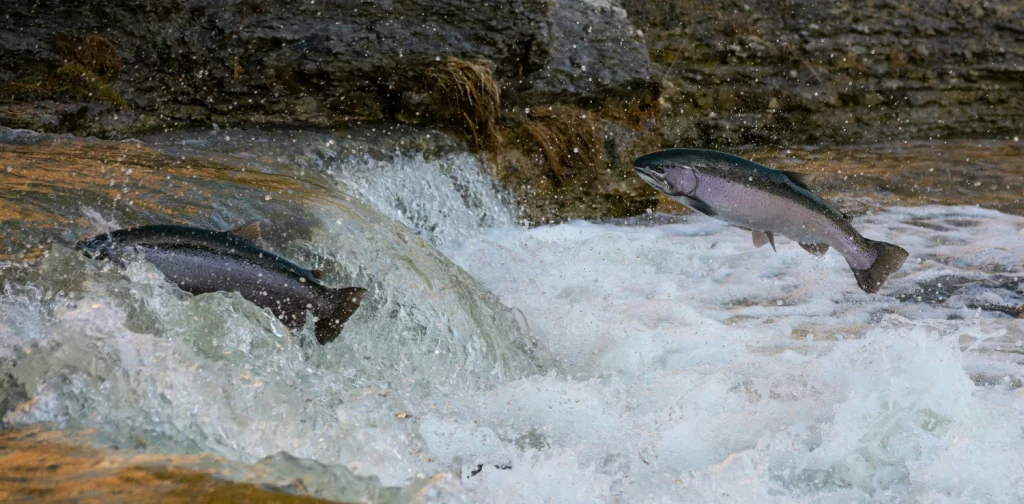
Photo: Brandon in Unsplash.
Plastic pollution is often depicted with bottles and bags floating in the ocean. Yet, some of the most harmful plastic waste is nearly invisible. One overlooked source is tire pollution. Every time vehicles move, tire particles and chemical residues wash from roads into rivers and streams. These pollutants are threatening aquatic life, including vulnerable salmon populations that depend on clean and healthy rivers.
Tire as a Microplastic Menace
Tire wear particles (TWP), produced through the friction between vehicle tires and road surfaces, are considered one of the largest contributors to microplastic pollution. They account for up to 30% of primary microplastics entering marine environments, according to the International Union for Conservation of Nature. With more than 3 billion tires produced each year and over a billion vehicles in use worldwide, tire pollution is continuously generated and transported from roads into rivers and, eventually, oceans and seas.
Moreover, tire pollution contains more than rubber fragments alone. It includes a complex blend of synthetic and natural materials, as well as hundreds of chemical additives to improve durability and performance of the tire. Among them is zinc oxide, which can make up around 0.7% of a tire’s weight and is toxic to fish and other aquatic organisms even at low concentrations. Once washed into waterways, these particles can release toxic substances that harm aquatic life, including salmon.
Impacts on Salmon Populations
In the Pacific Northwest, efforts to restore salmon habitats revealed an unexpected consequence of tire pollution. After heavy rainfall, returning coho salmon were observed rolling and gasping at the surface, then dying before they could spawn. This phenomenon became known as urban stormwater runoff mortality syndrome (USRMS), drawing attention to the hidden impacts of road runoff.
Researchers eventually traced the cause to a chemical, then to tire pollution. The compound 6PPD, commonly used in tire manufacturing to prevent rubber degradation, reacts with ozone in the air to form a by-product known as 6PPD-quinone. This substance is highly toxic to coho salmon, with stormwater samples containing concentrations far above lethal levels. Even brief exposure can damage gill function and disrupt normal behavior, preventing migration and reproduction. These findings show how tire pollution can directly disrupt migration, reproduction, and the long-term stability of freshwater ecosystems.
Toward Solutions and Stronger Regulation
Addressing tire pollution requires action beyond individual consumer behavior. While measures such as proper tire maintenance and stormwater filtration can help reduce runoff, experts emphasize the need for upstream solutions that target pollution at its source. Innovations, such as tire-wear capture devices developed by researchers at Imperial College London, demonstrate that technological intervention is possible. Meanwhile, parallel research efforts are underway to identify safer alternatives to chemical additives like 6PPD.
Regulatory efforts are also beginning to take shape. The European Union’s upcoming Euro 7 emissions standards mark a step toward addressing non-exhaust vehicle pollution, including tire pollution. Researchers have further proposed a coordinated global panel of scientific and policy experts to better assess risks and guide policy.
Furthermore, tire pollution impacts different areas differently. Urban streams located near highways and industrial corridors, for instance, face higher exposure to contaminated runoff. Declining salmon populations also affect Indigenous communities deeply, such as the Nez Perce Tribe and Washington tribes, for whom salmon hold deep cultural, nutritional, and economic significance. Therefore, addressing tire-derived pollution is not only an environmental issue but also one of public health and environmental justice.
Editor: Nazalea Kusuma

Co-create positive impact for people and the planet.
Amidst today’s increasingly complex global challenges, equipping yourself, team, and communities with interdisciplinary and cross-sectoral insights on sustainability-related issues and sustainable development is no longer optional — it is a strategic necessity to stay ahead and stay relevant.
 How the Earth’s Energy Imbalance Affects the Climate
  When Distant Conflict Ripples: How Global Supply Disruptions Find Africa
  Urgency to Protect Migratory Species as Extinction List Expands
  How Spogomi Addresses Waste Through Competitive Sport
  What Fading Butterfly Colors Reveal About Environmental Stress
  The Right to Be Cold and What It Means for Indigenous Inuit