

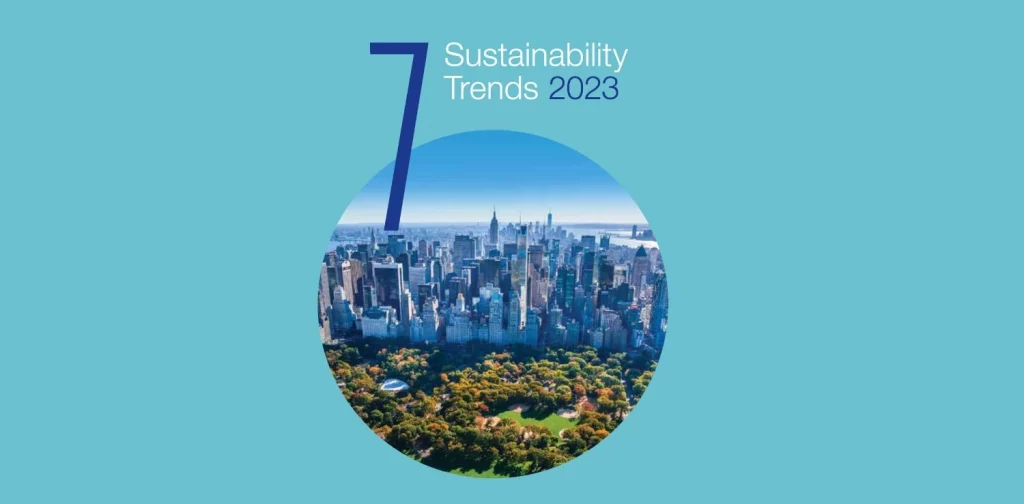
 Revealing 7 Sustainability Trends in Business
Sustainability is becoming a high priority on the business agenda. What are the current sustainability trends in business?... Read More
SDGs Goal 9
 Exploring Sustainability in Coldplay’s Music of the Spheres World Tour
The push for sustainability in Coldplay’s Music of the Spheres World Tour might become a benchmark in the industry.... Read More
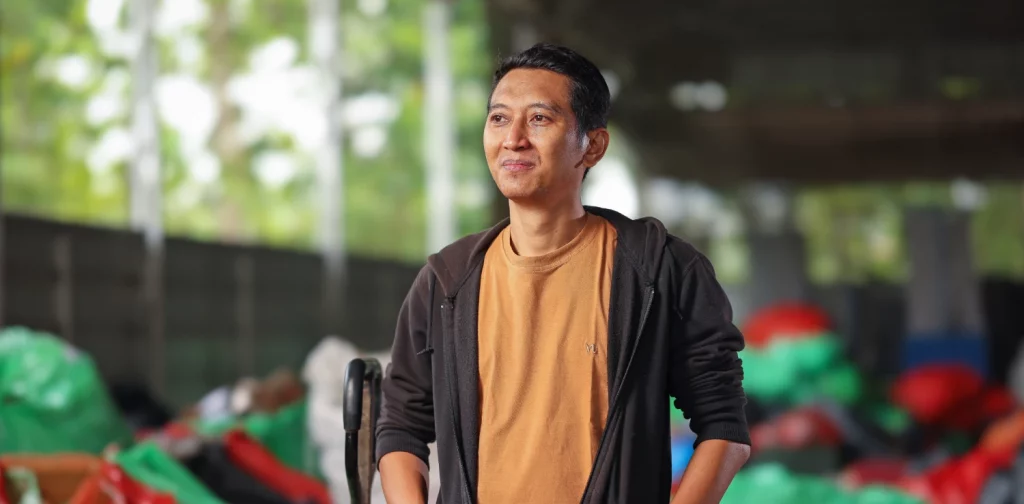 Founder & CEO Waste4Change MB Junerosano: Improving Responsible Waste Management in Indonesia
Improving responsible waste management is a complex activity requiring all stakeholders’ collaboration and contributions to create meaningful progress.... Read More
 Survey Reveals Experts’ Perception on Sustainability Issues and Sustainability Leaders
The GlobeScan-SustainAbility Survey: 2023 Sustainability Leaders shares insight into global sustainability experts’ perceptions on the priority sustainability issues and sustainability leaders.... Read More
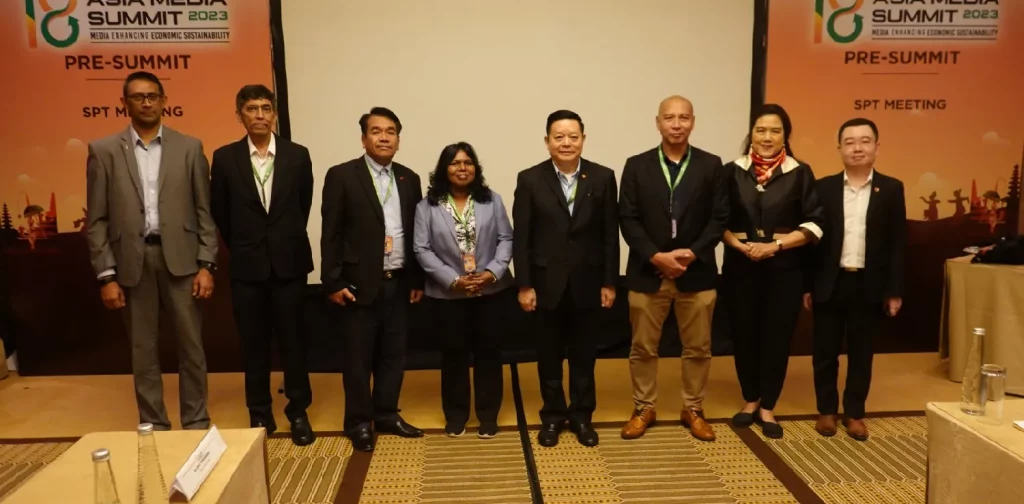 Asia Media Summit 2023: Strengthening Media’s Roles as Public Education Channel
The 18th Asia Media Summit 2023 aimed to advance the role of media in contributing to sustainable development through its role as a public education channel.... Read More
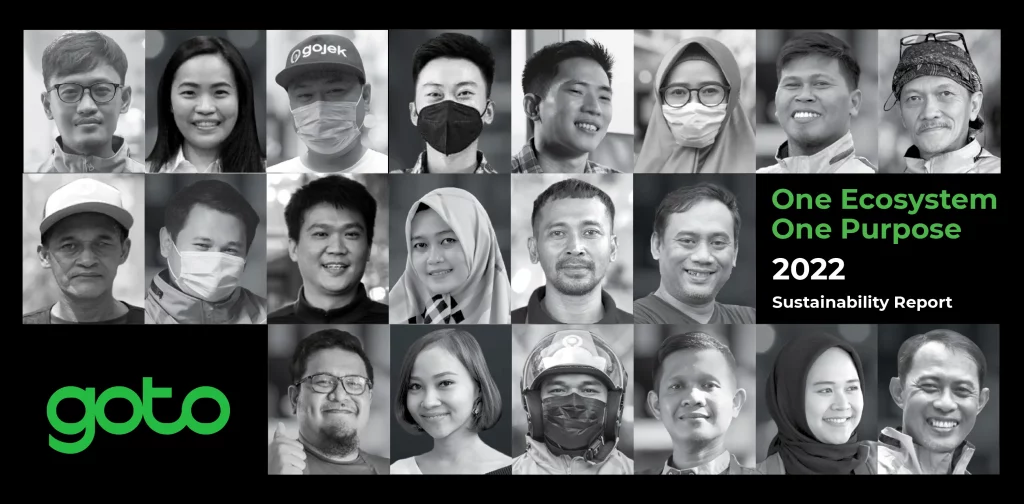 GoTo Sustainability Report 2022: Continuing Toward Three Zeros
In GoTo Sustainability Report 2022, the company shares its efforts toward achieving the Three Zeros: Zero Emissions, Zero Waste, and Zero Barriers.... Read More
 Toward Sustainable Cocoa Industry: How can we support the progress?
As cocoa production increases, supporting the growth toward a sustainable cocoa industry becomes important for everyone, including consumers.... Read More
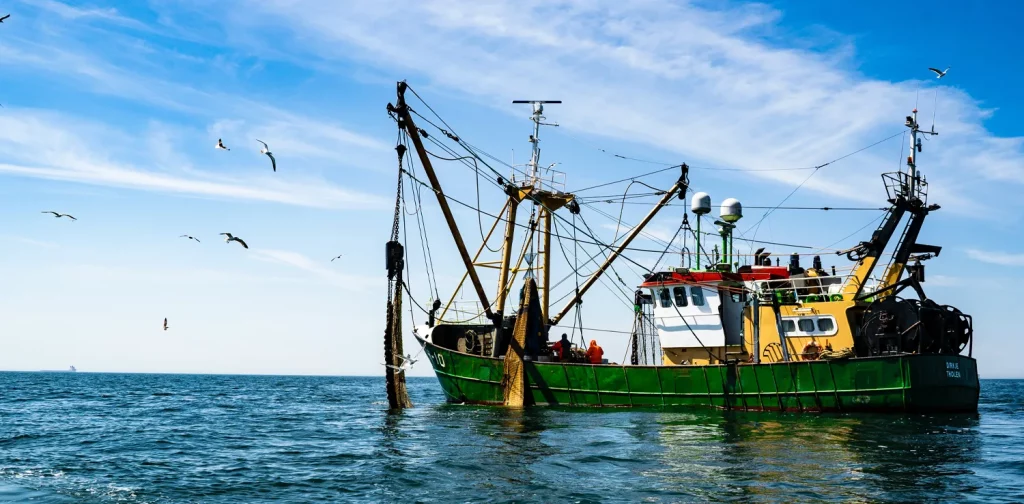 Modern Sea Slavery in Indonesia and Beyond
Sea slavery still exists today. As thousands of migrant workers in ASEAN countries are still under the shackles of forced labor, employing a multi-stakeholder approach is essential to eradicate slavery.... Read More
 Forward-Looking Public Policy: Improving Public Policy in Developing Countries
Understanding the problems of policymaking in developing nations helps us create better policies. Here are some key recommendations to improve the making and implementation of public policy in developing countries.... Read More
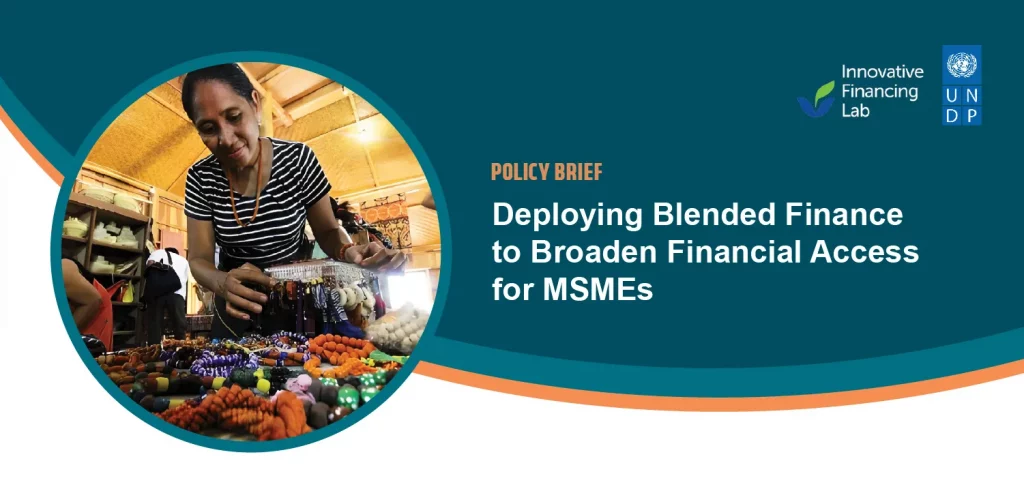 Blended Finance as Alternative Financing for MSMEs
Innovative Financing Lab under the UN Development Programme (UNDP) published a policy brief titled “Deploying Blended Finance to Broaden Financial Access for MSMEs”.... Read More