

Non-Economic Loss and Damage: Making sense of our intangible loss in a changing climate
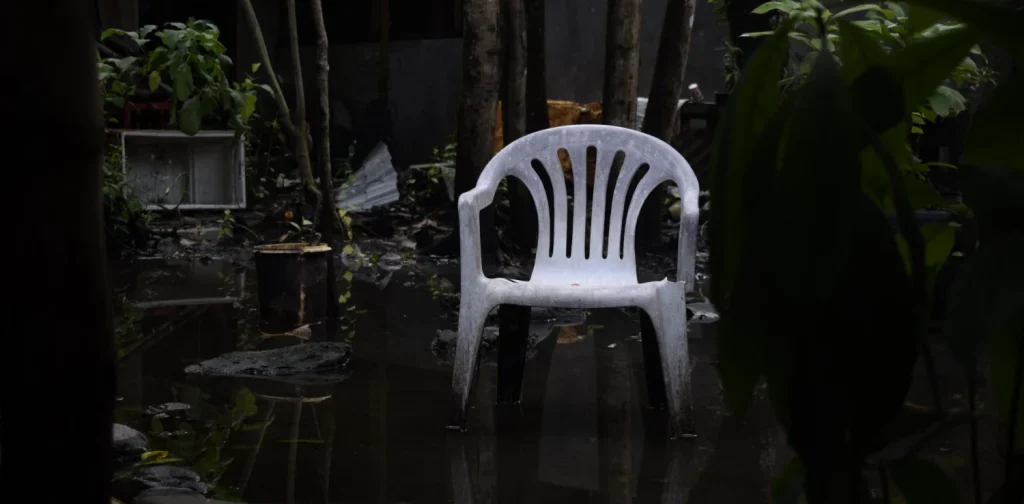
Photo: Kent Spencer Mendez on Pexels.
With days getting hotter and oceans inching closer, the whole world is feeling the impacts of climate change. However, the severity differs across countries and communities, and so does their capacity to cope. The ones contributing the least to the crisis are often the most ill-prepared to face it, leading to significant loss economically and in other intangible treasures. Global climate actions, therefore, must operate under the understanding of this gap. One key component of it is acknowledging non-economic loss and damage as an integral part of the conversation.
Upholding Climate Actions
Climate actions originally hinge on two pillars: mitigation and adaptation. Mitigation deals with the causes of climate change, such as reducing greenhouse gas emissions. Meanwhile, adaptation focuses on adjusting infrastructures and systems to address the impacts of climate change. Adding more green spaces in cities to manage urban heat islands is one example of adaptation amid increasing temperature.
However, climate risks and impacts grow more complex, and both pillars might no longer suffice. With these changes, our understanding of climate change has also evolved. This is where climate justice comes in.
Small islands and low-lying countries, for instance, are bearing the brunt of rising sea levels despite contributing less than 1% of global greenhouse gas emissions. Citizens of Tuvalu, whose island only has around 3 meters above sea level, have even started to apply for a climate visa to Australia as risk increases.
This deep disparity became one of the reasons for the Alliance of Small Island States’ proposal in 1991. It called for financial insurance against the consequences of sea level rise to be integrated in the Framework Convention on Climate Change. From this, the concept of loss and damage began to develop as the potential third pillar of climate action.
Point Past Adaptation
Loss and damage generally occurs when mitigation and adaptation efforts fail to prevent adverse consequences of climate change. The concept is referred to in the Paris Agreement. Article 8 calls on parties to recognize the importance of averting, minimizing, and addressing loss and damage associated with climate change. However, at institutional levels, the framework of Loss and Damage, with capital initials, remains elusive. It is surrounded by debates on who is responsible for paying, and who counts as vulnerable and deserve the compensation.
One of the ‘simplest’ ways to measure loss and damage is by using monetary value. Economic loss and damage occurs when climate change impacts cause the loss of resources, goods, and services that are commonly traded in markets. Examples include loss of property, assets, infrastructures, as well as agricultural production and revenue. Between 2000 and 2019, the world has lost at least 2.8 trillion USD in loss and damage from climate change. We were losing at least 16 million USD per hour.
Then, there are losses that are intangible, referred to as non-economic loss and damage (NELD). These losses are not easily quantifiable in monetary terms or commonly traded in markets. An individual can experience loss of life, health, or mobility; while a society can lose its territory, cultural heritage, identity, and knowledge. At a broader level, loss of biodiversity and foundational ecosystem services also count under this category.
Valuing Non-Economic Loss and Damage
The non-economic loss and damage highlights the socio-cultural impacts of climate change that are often sidelined. In fact, some of these threats are existential. They include threats to people’s sense of belonging, identity, and ways of knowing and making sense of the world. The Indigenous People of Inuit in the Arctic, for instance, have been losing the cold that underpins their way of life due to rising temperature. For them, climate change renders their age-old knowledge about ice sheets and hunting less relevant with each passing day.
Different communities experience climate change differently. And thus, they place value on things they may lose differently. A study by Tschakert et al. (2019) examined existing literature on climate-related intangible damage and risks. It found that higher-income countries tend to value identity, self-determination, world order, and dignity as intangible things lost in climate change. Meanwhile, lower-income countries pay more attention to aspects that lean more tangible. They focus on things like physical health, indirect economic benefits and opportunities, and productive land.
Differences also exist among countries with similar conditions. Examining values in small island countries in the Pacific, McNamara et al. (2024) found that custodianship of land and sea was the second most valued domain in Vanuatu, but placed seventh in the Cook Islands and ninth in Fiji.
Recognition and Integration
Despite being at the center of people’s climate-related loss, non-economic loss and damage still lack recognition and proper integration in policymaking. A report by UNEP-CCC on health reveals that integration of health as a critical dimension of climate-related loss and damage remains uneven across policy instruments, particularly in national adaptation plans. Even when it does, physical health remains the most cited aspect, whereas mental health and other emerging concerns stay largely overlooked.
Furthermore, the Loss and Damage Youth Coalition identifies inadequate assessment and monitoring on non-economic loss and damage due to lack of standardized methodologies and tools. This oversight may as well stall global climate actions. After all, the differences of how people endure climate change and what they consider valuable to their lives ideally should offer a better understanding in decision-making related to climate change mitigation and adaptation strategies.
Ultimately, discussions surrounding the impacts of climate change cannot and should not be separated from justice. Placing people’s direct experience in navigating climate change at the center of climate actions is how we can truly move the needle to advance climate justice. With the establishment of global financing mechanisms like the Loss and Damage Fund, ensuring that resources are mobilized to communities that need it most must be a collective responsibility done based on inclusivity, justice, and not leaving anyone behind.
Editor: Nazalea Kusuma
Co-create positive impact for people and the planet.
Amidst today’s increasingly complex global challenges, equipping yourself, team, and communities with interdisciplinary and cross-sectoral insights on sustainability-related issues and sustainable development is no longer optional — it is a strategic necessity to stay ahead and stay relevant.
 From European Heat to the Himalayan Flood: The Transboundary Nature of Climate Risk
  Noise Pollution Is Making Us Sick, and Climate Change Is Making It Worse
  Beyond Fashion: The Environmental Cost Behind Animal Leather
  Addressing the Hidden Risk of Microplastics from Offshore Infrastructures
  Addressing Antimicrobial Resistance as More Than a Medical Issue
  Holding Harmful Industries Liable for Harm to Human Life and the Environment