

IUCN’s Assessment for Mangrove Ecosystem Degradation
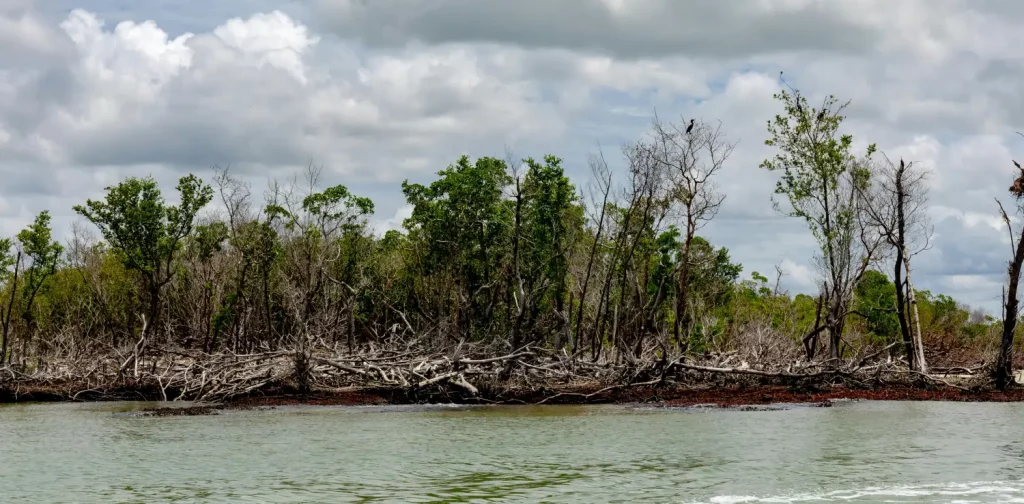
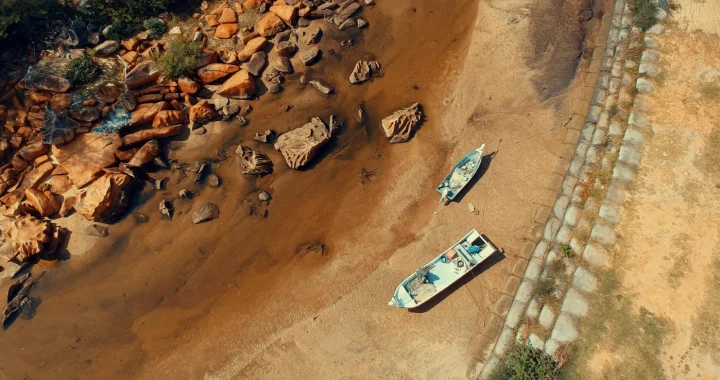
Photo: Shayne Spencer on Pexels.
Despite their essential roles in coastal areas, mangrove ecosystems are declining. In the first global assessment, the IUCN explored the risk of mangrove ecosystem degradation using the Red List of Ecosystems standard.
Global Conditions
Mangroves thrive on the border between the land and the ocean. Their roots can act as barriers against coastal erosion and shelters for small fishes. Economically, mangroves are an essential source of income for local communities through ecotourism, handicrafts, and aquaculture.
Despite the apparent benefits, mangrove ecosystem degradation still occurs worldwide. An analysis by the UNEP found that between 1996 and 2020, the world lost 5,245 km2 (3.4%) of its mangrove forests, which cover about 150 thousand km2 in total.
In 2024, the International Union for Conservation of Nature (IUCN) released an assessment of the global mangrove conditions. Using the Red List of Ecosystems standard, the IUCN found that 50% of the global mangrove areas are at risk of collapsing. This figure is obtained by adding up the mangrove ecosystems in the Vulnerable, Endangered, and Critically Endangered categories.
Causes and Threats
What causes this worrying state? The assessment mentioned three main threats: sea-level rise, climate change, and direct human activities.
The first two causes are closely related. Sea-level rise is the main factor threatening mangrove ecosystem degradation, which is heavily linked to climate change-induced global warming. The rise in global temperature will lead to melting glaciers, eventually resulting in a rise in sea levels, drowning mangroves. The IUCN predicts that, without interference, 25% of the global mangrove area will be submerged in the next 50 years.
Moreover, climate change can bring more frequent and severe weather events, exacerbating mangrove ecosystem degradation by altering their living landscape. Direct human activities such as deforestation for agriculture and shrimp farming, wood exploitation, and dam construction also affect around 25% of the ecosystems.
Tackling Mangrove Ecosystem Degradation
Losing mangrove ecosystems means losing the Earth’s precious pillar and stabilizer. The IUCN states that the current condition of mangrove ecosystems means we risk losing around 1.8 billion tonnes of carbon stored, protection for 2.1 million lives exposed to coastal flooding, and 17 million days of fishing effort per year.
Therefore, restoration efforts are crucial. The IUCN’s assessment can provide the foundation for the data on the current conditions of global mangrove ecosystems and the threats to their existence. However, countries can and should also gather national, subnational, and smaller-scale data to implement customized interventions that match the conditions of the area.
Editor: Nazalea Kusuma

Kresentia Madina
Madina is the Assistant Manager of Stakeholder Engagement at Green Network Asia. She holds a bachelor’s degree in English Studies from Universitas Indonesia. As part of the GNA In-House Team, she supports the organization's multi-stakeholder engagement across international organizations, governments, businesses, civil society, and grassroots communities through digital publications, events, capacity building, and research.
 Conservation Paradox: Managing the Overabundance of Endangered Koalas in South Australia
  Green Burnout: Sustainability Workers and Climate Activists Are Quietly Falling Apart
  The Warning Signals of Climate Change
  How Land Use and Climate Change Shape the Increasingly Precarious Balance of Global Deadwood Stocks
  The Injustice of Climate Finance: How Climate Change Is Draining Developing Nations
  The Need for One Health in Conservation