

Combating Wildlife Crime with Enhanced International Collaborations
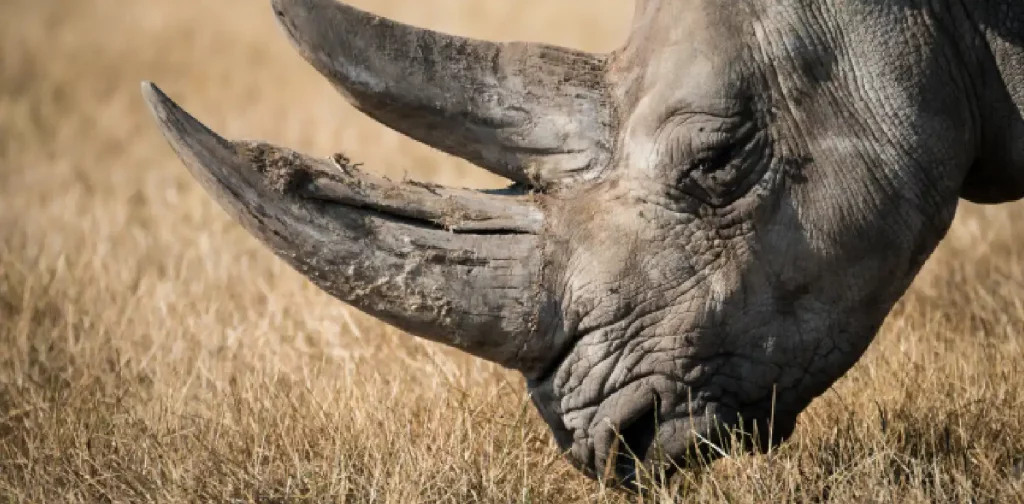
In 2022, ICCWC’s Thunder Operations captured a wildlife crime suspect carrying rhino horns and ivory ornaments to Hanoi, Vietnam. | Photo: Lucas Alexander on Unsplash.
Wildlife trade allows us to consume and use products derived from wild animals and plants daily. Unfortunately, some wildlife trade practices are still exploitative, neglecting regulations and negatively impacting biodiversity. In its Biannual Report for 2021–2022, the International Consortium on Combating Wildlife Crime (ICCWC) shares the progress and actions needed in combating wildlife crime worldwide.
Combating Wildlife Crimes
Wildlife crime refers to any form of breach against wildlife protection legislation. It includes poaching, smuggling and trafficking, money laundering, bribes, and corruption. Beyond biodiversity extinction, the issue can also exacerbate hunger and poverty and pose risks to our health and well-being.
The ICCWC supports authorities to enhance wildlife law enforcement and justice by providing necessary capacity building, tools, and services to combat illegal operations that could harm biodiversity. It is a collaborative effort between the CITES Secretariat, INTERPOL, the United Nations Office on Drugs and Crime (UNODC), the World Bank, and the World Customs Organization (WCO).
Overall, the Biannual Report for 2021–2022 highlights the importance of national, regional, and international collaborations to reduce the rate of crimes committed against wildlife. The consortium operates based on four approaches:
- Deter: Raising awareness of wildlife crime consequences and sharing knowledge with key actors to combat the issue.
- Detect: Building capacity to detect and address wildlife crime on social media and the internet.
- Detain: Enhancing cross-border and global cooperation to seize and detain criminals involved in illegal operations.
- Dismantle: Creating a robust legal framework to enable sentencing and convictions to dismantle organized groups.
Progress and Accomplishments
The report shares several accomplishments in global efforts, collaboration, and engagement to tackle wildlife crime supported by ICCWC, particularly in Africa, Asia, and Latin America.
In Africa and Asia, ICCWC has been supporting the Wildlife Inter-Regional Enforcement (WIRE) meetings since 2016. The meetings aim to strengthen regional cooperation and encourage information exchange among criminal justice practitioners. As of 2021, the WIRE meeting has connected 200 criminal justice practitioners from 34 countries in Asia and Africa, as well as established communication pathways, cross-border joint investigations, and stronger technical and criminal proceeding capacities.
ICCWC’s annual global crackdown on wildlife crime, called Thunder Operations, becomes one of the highlights in the report. In 2022, the operation managed to seize 2,200 cases and identify 934 suspects of illegal operations across the globe through cooperation from law enforcement actors in 125 countries.
Collaboration is Key
Preserving and ensuring sustainable use of biodiversity is an international issue, so collaborations are essential in tackling illegal practices surrounding it. The ICCWC report further suggests addressing corruption, improving governance, and raising awareness of the negative impacts of wildlife and forest crime as key to combating wildlife crime more effectively.
“The fight against wildlife crime requires the collaboration of governments, law enforcement agencies, international organizations, conservation organizations, and civil society, as well as the participation of individuals and businesses in making responsible choices and taking action to reduce demand for illegal wildlife products,” said CITES Secretary-General Ivonne Higuero.
Read the full report here.
Editor: Nazalea Kusuma

Kresentia Madina
Madina is the Assistant Manager of Stakeholder Engagement at Green Network Asia. She holds a bachelor’s degree in English Studies from Universitas Indonesia. As part of the GNA In-House Team, she supports the organization's multi-stakeholder engagement across international organizations, governments, businesses, civil society, and grassroots communities through digital publications, events, capacity building, and research.
 Unpacking SBTi’s Corporate Net-Zero Standard V2.0: Balancing Science and Business Realities
  Farmer Loneliness, the Overlooked Mental Health Crisis Within the Food System
  Conservation Paradox: Managing the Overabundance of Endangered Koalas in South Australia
  Green Burnout: Sustainability Workers and Climate Activists Are Quietly Falling Apart
  The Warning Signals of Climate Change
  How Land Use and Climate Change Shape the Increasingly Precarious Balance of Global Deadwood Stocks