

Dengue Fever Cases Rise as Global Temperature Rises
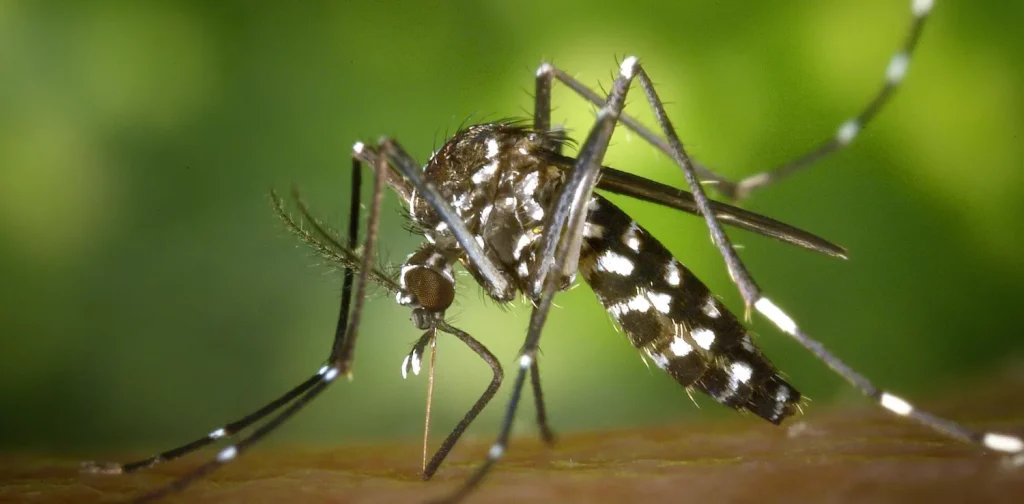
Photo: Pixabay.
Our health is influenced by many factors. From individual matters like lifestyle to larger factors like climate change, waste management, and healthcare systems, these factors shape population health and how diseases spread. In recent years, there has been a significant increase in dengue fever cases, in which climate change is a contributing factor.
Dengue Fever
Dengue fever, or breakbone fever, is a tropical viral disease caused by the Dengue virus. The virus is carried and transmitted through mosquito bites, primarily by infected female Aedes aegypti or yellow fever mosquitoes, which are mostly active during the day.
Most people who get infected with this disease usually exhibit only mild to no symptoms and will recover within a 1–2 week period. However, some may develop symptoms similar to flu, such as high fever, headache, and body aches. In this case, hospitalization might be needed.
Rising Cases in Asia
The number of dengue fever cases has spiked in recent decades. The WHO stated that the number of reported cases has increased almost tenfold, from 505,430 cases in 2000 to 5.2 million in 2019. The disease is endemic in more than 100 countries, with Asia representing around 70% of the global disease burden.
At the end of 2023, Bangladesh recorded over 300,000 cases of dengue fever, with the death toll exceeding 1,600. Similarly, many countries in Asia-Pacific also experienced rising cases, including Thailand with 136,655 cases, the Philippines with 167,255 cases, and Vietnam with 149,557 cases as of 2023.
Climate change is one of the factors contributing to this phenomenon. During a media briefing conducted in December 2023, Dr. Diana Rojas Alvarez from WHO stated that mosquitoes infected with the Dengue virus can thrive in more countries than before due to the rising global temperature caused by climate change.
“Climate change increased rainfall and humidity, which created better conditions for mosquitoes carrying the infection to breed and spread. This had led to mosquitoes becoming established in countries where they previously could not, such as in Europe, southern North America, and southern areas of Latin America, such as Uruguay and Buenos Aires in Argentina,” the press briefing stated. The ongoing El Niño cycle has also aggravated the heatwaves and erratic weather patterns.
Early Detection & Prevention Measures
To this day, dengue fever has yet to have a specific treatment method. The current practices focus on treating the symptoms inflicted by the virus, not the virus itself. Therefore, the key to tackling the surging cases lies in the early detection and prevention measures.
In Singapore, scientists and the government have developed Project Wolbachia to prevent Aedes aegypti eggs from hatching using the Wolbachia bacteria. As reported by Channel News Asia, this method has reduced over 90% of the mosquito population in parts of Singapore and 45-100% in parts of Malaysia.
Globally, governments and organizations must strengthen their approach to dengue fever by implementing better reporting systems, surveillance methods, and supporting policies. This includes developing a safe, accessible, and effective dengue vaccine. Ultimately, the healthcare sector must ramp up its efforts to keep up with the adverse impacts of climate change and other crises to ensure a healthy and thriving population.
Editor: Nazalea Kusuma

Co-create positive impact for people and the planet.
Amidst today’s increasingly complex global challenges, equipping yourself, team, and communities with interdisciplinary and cross-sectoral insights on sustainability-related issues and sustainable development is no longer optional — it is a strategic necessity to stay ahead and stay relevant.

Kresentia Madina
Madina is the Assistant Manager of Stakeholder Engagement at Green Network Asia. She holds a bachelor’s degree in English Studies from Universitas Indonesia. As part of the GNA In-House Team, she supports the organization's multi-stakeholder engagement across international organizations, governments, businesses, civil society, and grassroots communities through digital publications, events, capacity building, and research.
 Women in Waste Management: Asia’s Circularity Runs on Women. Its Policies Still Don’t
  Embracing the Business Value of Sustainability
  American Farmers Call for Government Support Amidst PFAS Contamination
  Asia Pacific’s SDG Progress Faces Major Setbacks
  Exploring the Bidirectional Relationship Between Olympic Games and the Environment
  The Hidden Threat of Tire Pollution to Salmon Populations