

The Global State of Hunting Small Cetaceans
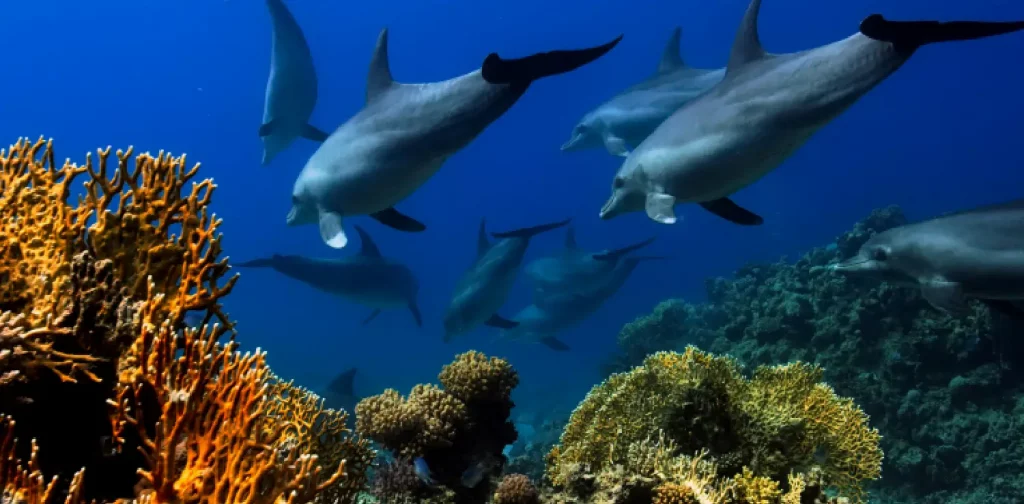
Photo: Oleksandr Sushko on Unsplash.
Humans depend on animals, plants, and other natural resources for food, medicine, trade, and other things. Nowadays, however, this dependency has tipped dangerously to the point of exploitation as the demand for necessities grows. This is the case for dolphins, small-toothed whales, and porpoises. A new report revealed the extent of small cetaceans’ hunting and its impact on ecosystem balance.
Small Cetaceans & Ecosystems
Small cetaceans refer to dolphins, porpoises, and small-toothed whales. Their habitats are spread in various bodies of water, from major freshwater rivers to the open oceans. In marine ecosystems, this mammal group plays the role of ecosystem engineers due to their ability to modify habitats to increase species richness and habitat productivity. Moreover, they are also important indicators of marine ecosystem health.
Unfortunately, hunting for small cetaceans has been increasing in frequency. A recent report by non-governmental organizations Pro Wildlife and Whale and Dolphin Conservation looks into the new trends in hunting, their impacts, and opportunities for change. This report is an update from the first edition published in 2018.
Illegal Hunting & Bycatch
Small cetaceans are hunted globally. According to the report, Peru, Ghana, and Nigeria are the top three countries where these mammals are hunted, with yearly catches ranging from 10,000 to 15,000. Many Asian countries are also included in the report’s list of 20 countries with the largest hunt, including Taiwan, Indonesia, South Korea, Sri Lanka, India, Japan, and Malaysia.
Some Indigenous communities still practice whaling as a part of their traditions. However, in many other cases, illegal hunting is still rampant due to a lack of regulations. The report notes that the meat is still used for human consumption, especially in many West African countries. As a result, the Atlantic humpback dolphin, whose habitat is restricted to the West African coast, is listed as Critically Endangered by the IUCN Red List due to deliberate hunt and incidental catch (bycatch).
Furthermore, small cetaceans are also hunted to be used as bait for commercial fisheries. Many prefer to use dolphin fat and meat as bait for sharks due to their durability in salt water. The increasing shark values in the market result in the growing number of small cetaceans hunted to fulfill the demand.
Additionally, maintaining fish stocks in the ocean and wildlife trade are also some of the contributing reasons for the deliberate hunting and catching of small cetaceans.
Better Regulations & Data
One of the main challenges in halting small cetaceans’ hunting is inadequate regulations. The report notes that in many countries where hunting is illegal or has a certain quota, hunting can still happen due to weak law enforcement. The continued removal of these mammals from the ecosystems can throw the marine ecosystems off balance and affect the overall health of the oceans.
Therefore, the report calls for countries to improve their legislation and for relevant organizations to ramp up their efforts to protect these mammals. This includes gathering better data on current conditions that are publicly available, raising awareness in fishing communities and society at large, implementing clear limits on activities related to the mammals, conducting proper monitoring of the population dynamics, and taking clear actions to ban hunting small cetaceans for fishing baits.
Read the full report here.

Kresentia Madina
Madina is the Assistant Manager of Stakeholder Engagement at Green Network Asia. She holds a bachelor’s degree in English Studies from Universitas Indonesia. As part of the GNA In-House Team, she supports the organization's multi-stakeholder engagement across international organizations, governments, businesses, civil society, and grassroots communities through digital publications, events, capacity building, and research.
 Conservation Paradox: Managing the Overabundance of Endangered Koalas in South Australia
  Green Burnout: Sustainability Workers and Climate Activists Are Quietly Falling Apart
  The Warning Signals of Climate Change
  How Land Use and Climate Change Shape the Increasingly Precarious Balance of Global Deadwood Stocks
  The Injustice of Climate Finance: How Climate Change Is Draining Developing Nations
  The Need for One Health in Conservation