

Exploring Gendered Impacts of Disasters
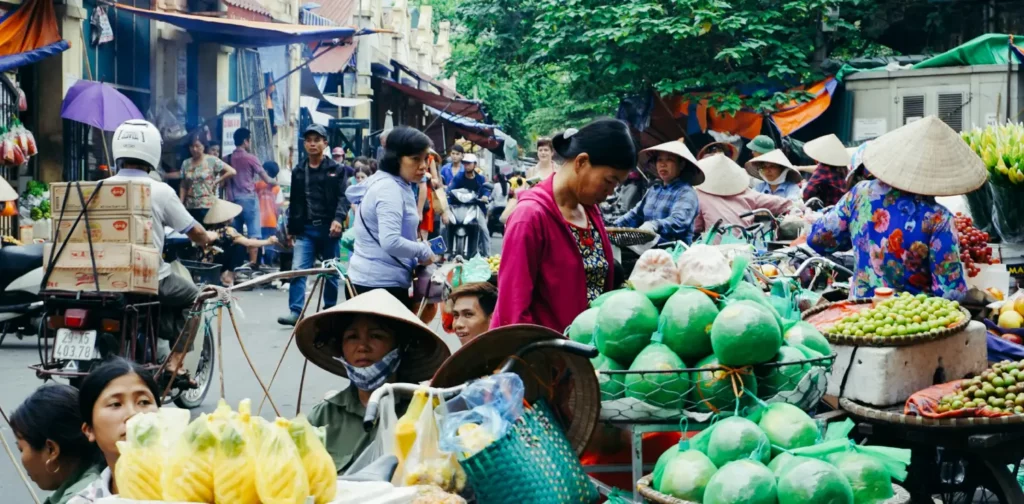
Photo: Jack Young on Unsplash.
Women and girls are disproportionately impacted during crises. The increasingly severe climate challenges, topped with cyclical weather phenomena like El Niño, have exacerbated the gendered impacts of disasters. In a policy brief, UN Women explores the impacts of heatwaves and drought on women and girls in Asia and the Pacific.
Impacts: Economic Productivity
El Niño, heatwaves, and drought cause various issues ranging from food insecurity to economic shocks and health problems. While everyone is undoubtedly affected, women and girls experience the impacts more severely.
The gendered impacts of disasters are apparent in women’s economic productivity. Extreme heatwaves will have the greatest impact on people who work outdoors with informal jobs, such as street vendors and agricultural workers. Garment, factory workers, and others who lack access to adequate cooling systems will also bear the brunt of excessive heat.
Women in the Asia-Pacific are most likely to take up those jobs. The policy brief cites that heat stress has caused up to 30% of income loss for women homeworkers in South Asia. Furthermore, women who work outdoors have limited access to early warning systems due to poor literacy or lack of devices.
Impacts: Gender-based Violence and Discrimination
Besides economic implications, the gendered impacts of disasters affect women’s safety and wellbeing. Heatwaves and drought increase the risk of gender-based violence towards women and girls. Several studies cited in the policy brief found that child and forced marriage tend to rise during heatwaves and drought in several countries across the Asia-Pacific. Why?
Many families, particularly those with poor economic conditions, often see early marriages as a financial coping mechanism. In other words, it means the families have one less mouth to feed.
Moreover, women also play a key role in providing food and care to their families. The El Niño-induced drought decreases agriculture productivity, making women’s duty to provide food harder. They must walk long distances and queue for long hours to collect water and food.
Traveling long distances increases their vulnerability to kidnapping and violence. Then, after all the hard work and high risk, women still face discrimination in their own households in terms of food allocation. The policy brief notes that power imbalances at home limit women’s access to food, which can have serious health implications like anemia and malnutrition.
Measures to Overcome Gendered Impacts of Disasters
While El Niño is a cyclical weather phenomenon, the climate crisis can potentially aggravate natural disasters in the future. Drought, heatwaves, floods, and other disasters may become more severe and unpredictable in upcoming years. Consequently, so will the gendered impacts of disasters.
Building gender-transformative measures is critical. In the policy brief, UN Women outlines several recommendations for humanitarian and disaster risk reduction practitioners to improve preparedness efforts:
- Implementing preventative actions to reduce disaster impacts based on forecasts and predictions to effectively address women’s specific needs and deliver transformative outcomes.
- Conducting gender analysis and collaborating with women-led organizations to create interventions that cater to women’s needs and address the roots of gender inequality during crises.
- Supporting community-led early warning systems that are tailored to women in terms of dissemination methods and information spread.
- Raising awareness on gender-based violence through launching community-based campaigns, actively engaging with men and boys to dismantle the existing gender norms, and integrating gender-based violence prevention measures in disaster preparedness and management.
- Establishing care strategies to alleviate women’s burden in caregiving.
Read the policy brief here.
Editor: Nazalea Kusuma
Kresentia Madina
Madina is the Assistant Manager of Stakeholder Engagement at Green Network Asia. She holds a bachelor’s degree in English Studies from Universitas Indonesia. As part of the GNA In-House Team, she supports the organization's multi-stakeholder engagement across international organizations, governments, businesses, civil society, and grassroots communities through digital publications, events, capacity building, and research.
 The Widespread Impacts of Severe Drought in Somalia
  Ensuring Access to Justice for Women and Girls
  The Invisible Infrastructure: What ASEAN’s Carbon Market Needs Most
  Indonesia Ruled to Recognize Chronic Illness as a Disability
  Clean Cooking as a Developmental Multiplier in Africa
  Congo Basin Peatlands Are Releasing Ancient Carbon