

Accelerating Gender-Responsive Financial Instruments in Indonesia
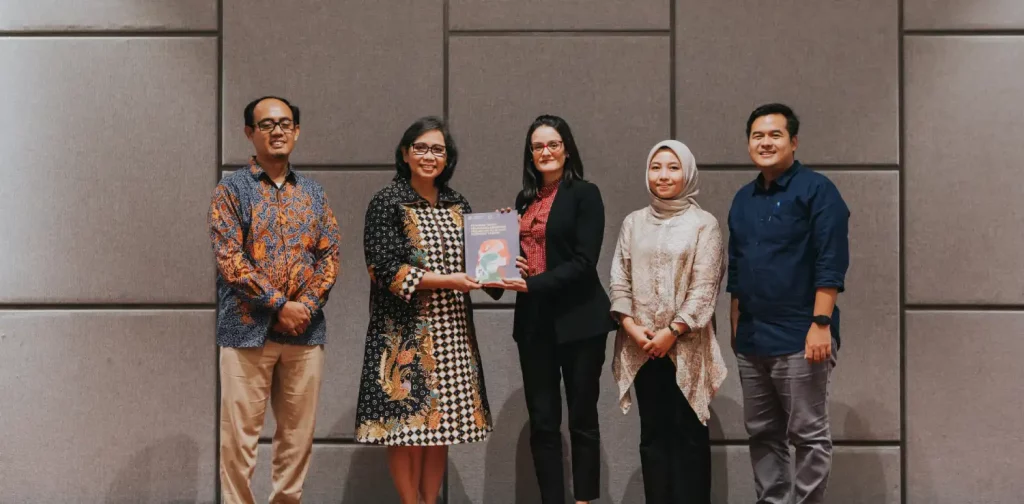
The launching of the technical guidelines “Gender-Responsive Climate Change Budget Tagging”. | Photo: UNDP.
All progress toward sustainable development should be made with the spirit of leaving no one behind. Achieving gender equality in all aspects is integral to creating meaningful systemic change. In Indonesia, Innovative Financing Lab, under UNDP Indonesia, launched a series of reports on gender-responsive financial instruments to create bigger opportunities and provide safety nets for women.
Gender Equality in Indonesia
Achieving gender equality is still a work in progress in Indonesia. A government survey on the workforce shows that women’s participation reached 53% in 2022, still significantly lower than men’s participation of 84%. Women also still receive lower salaries compared to men. While more than 60% of MSME in Indonesia is owned by women, they still face barriers to accessing financial aid and balancing business and home care.
Investing in enhancing gender equality becomes one of the six implementation principles in UNDP Indonesia’s country program. In 2018, it established Innovative Financing Lab as a strategic space to develop solutions for financing the SDGs by collaborating with the government, private sectors, religious organizations, civil society, and other stakeholders. The Lab focuses on six interrelated clusters: Faith-Based Finance, Integrated National Financing Framework (INFF), Climate Finance, SDG Aligned Debt & Loan, Impact Investing, and Youth Entrepreneurship.
Gender-Responsive Financial Instruments
Financial security is a crucial safety net, especially for women and other vulnerable groups in global and climate emergencies. On April 6, the Innovative Financing Lab held a program showcase and report launch event in Jakarta, Indonesia. The event opened with remarks by Sujala Pant, the Deputy Resident Representative of UNDP Indonesia, and featured speakers from the government bodies, fintech company Amartha, Islam-based fund institution BAZNAS, and edutech company Cakap.
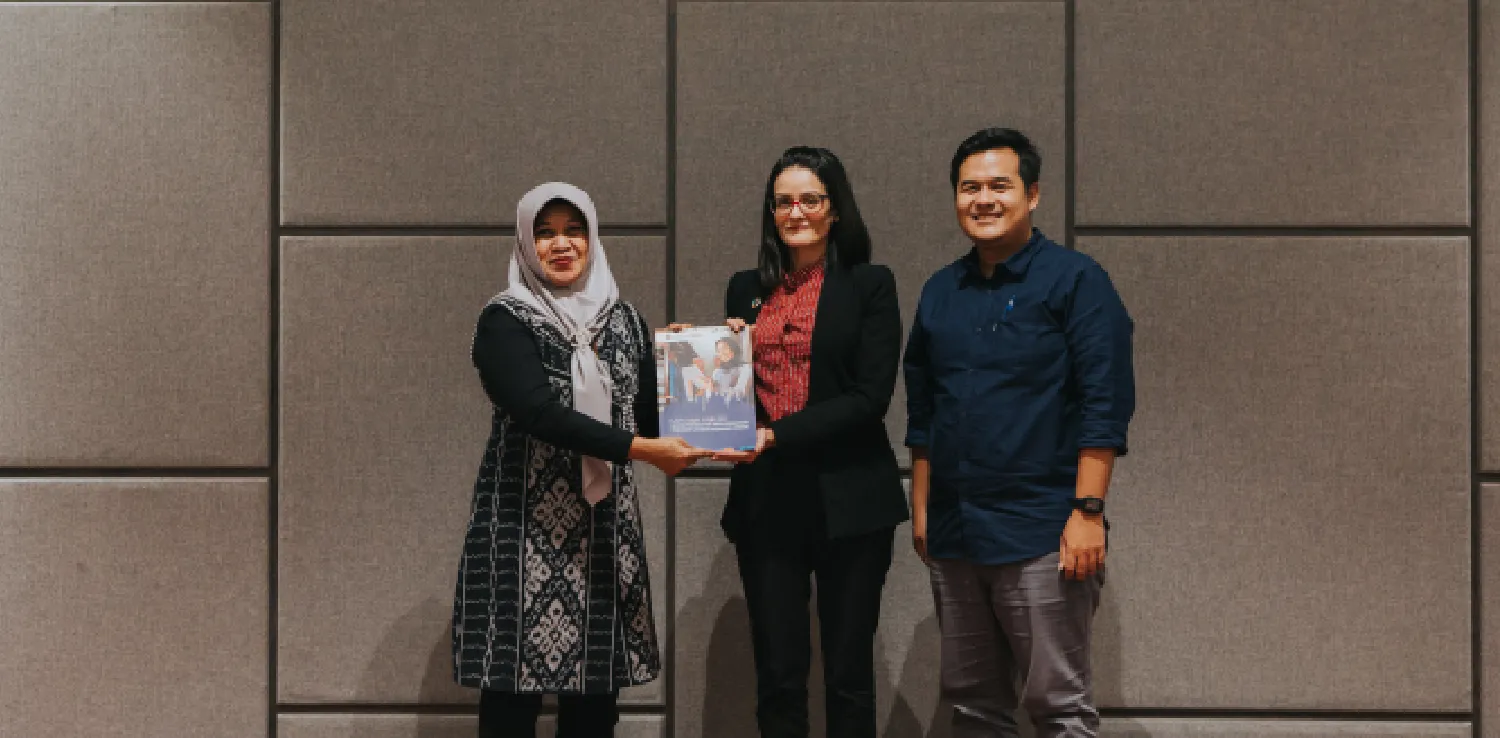
Four reports were launched in collaboration with multiple government and non-government institutions during the event. The reports mainly explore topics surrounding gender-responsive financial instruments for crisis resiliency. The Fiscal Policy Agency and the Ministry of Women Empowerment and Child Protection’s report aims to accelerate the mainstreaming of gender-responsive climate change budget tagging. The Fiscal Policy Agency also launched another report analyzing the efforts to improve women’s access to formal financial services. This report aligns with the National Strategy of Financial Inclusion (Strategi Nasional Keuangan Inklusif).
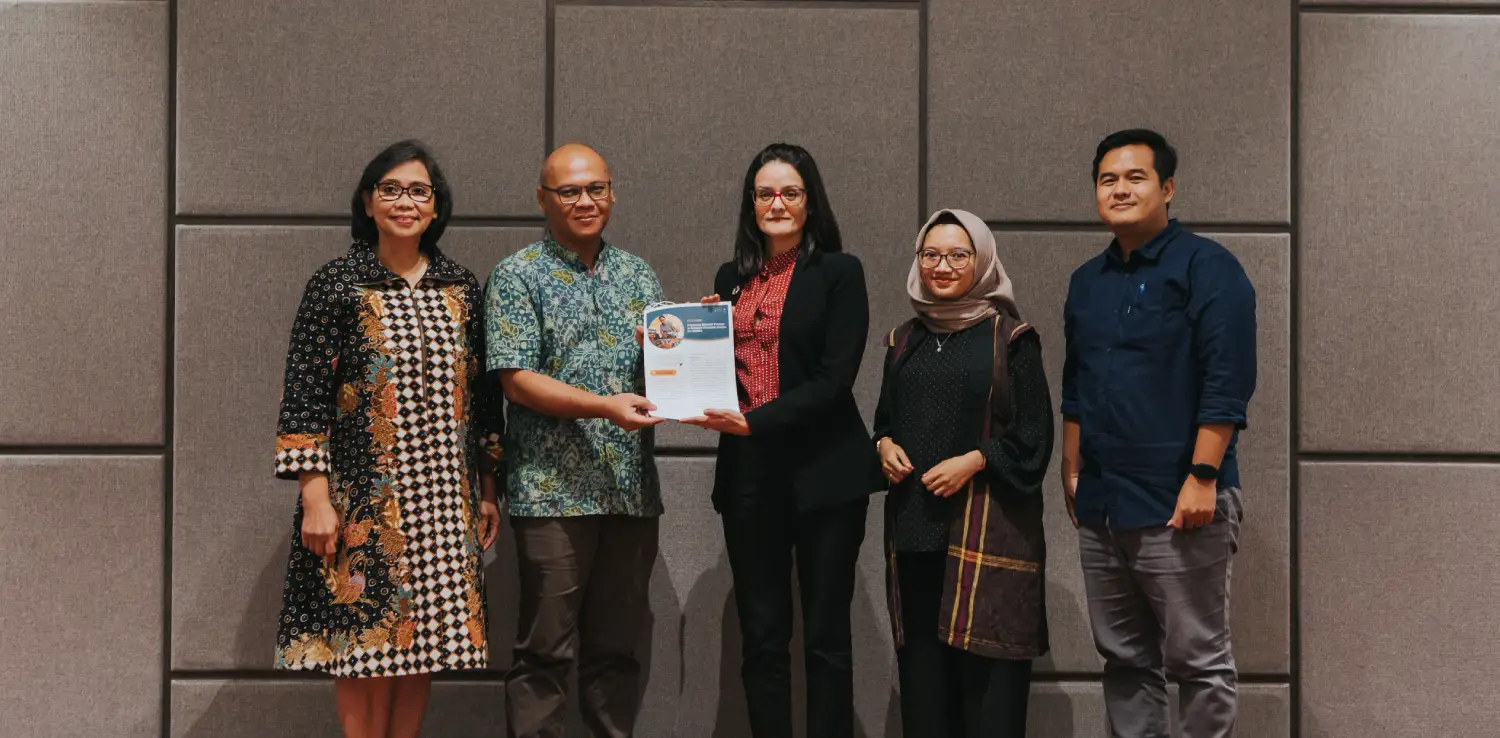
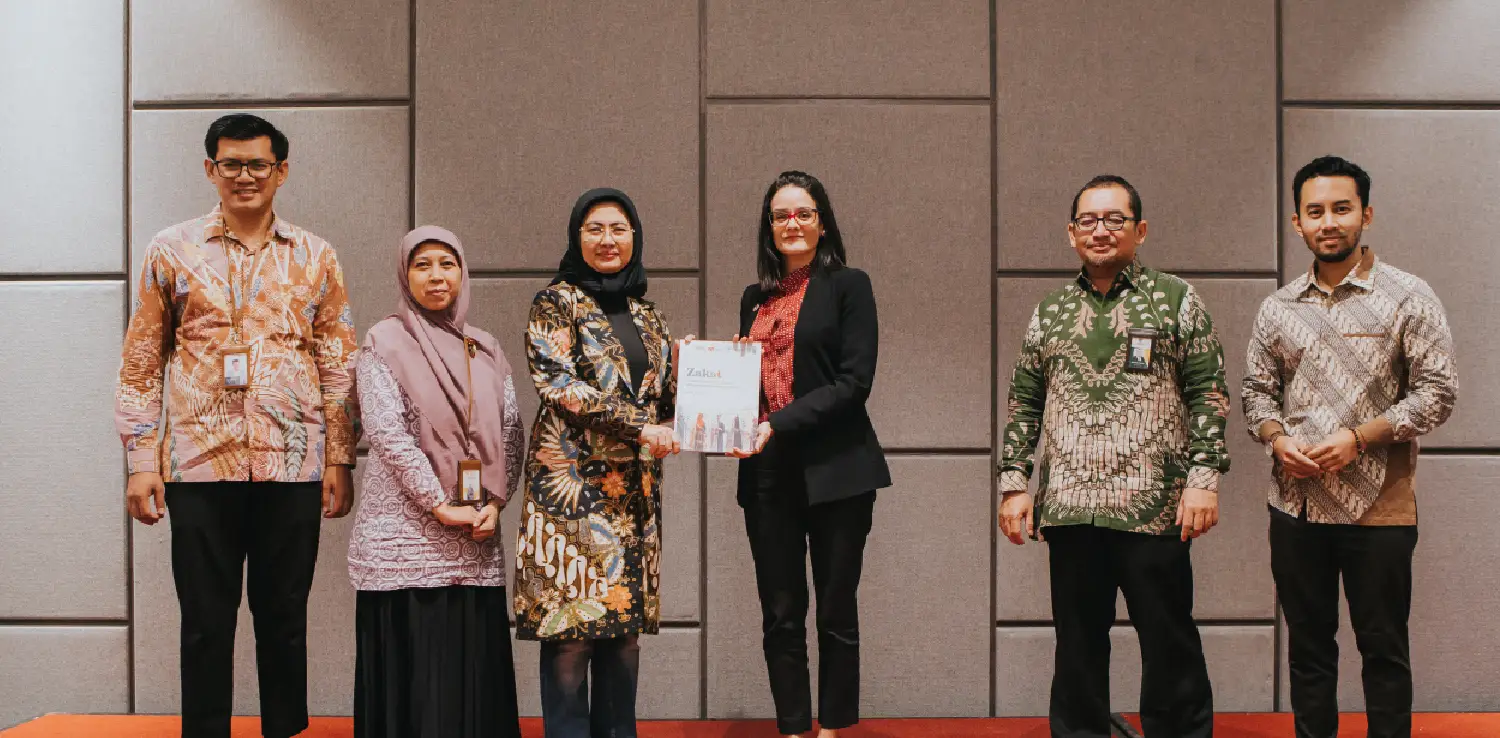
Another policy brief by the Innovative Financing Lab explores how blended finance can be used as an alternative solution to support MSMEs’ resilience in times of crisis. The last report is a collaboration between the Center of Economics and Development Studies (CEDS) Padjadjaran University, the Islam-based organization Rumah Zakat, and UNDP, exploring the potential benefits of zakat (almsgiving) to improve social protection for women.
Continuous Improvements Needed
As the public faces multiple crises, innovations and improvements centering on equal opportunity and access to vulnerable groups are crucial to create meaningful progress for sustainable development. Beyond report launching, Innovative Financing Lab also showcased its gender-responsive programs of Policy and Advocacy, Capacity Building, and Access to Finance. As per the event, more than 150 businesses received capacity building, and more than 1000 people included in vulnerable groups received aid.
Editor: Nazalea Kusuma
Kresentia Madina
Madina is the Assistant Manager of Stakeholder Engagement at Green Network Asia. She holds a bachelor’s degree in English Studies from Universitas Indonesia. As part of the GNA In-House Team, she supports the organization's multi-stakeholder engagement across international organizations, governments, businesses, civil society, and grassroots communities through digital publications, events, capacity building, and research.
 Africa’s Solar Energy Surge: Why 2025 Was a Breakthrough Year
  Agrihoods: Integrating Farms and Urban Neighborhoods into Sustainable Communities
  Women in Waste Management: Asia’s Circularity Runs on Women. Its Policies Still Don’t
  Embracing the Business Value of Sustainability
  American Farmers Call for Government Support Amidst PFAS Contamination
  Asia Pacific’s SDG Progress Faces Major Setbacks