

Global Youth Mobilization: Tackling Youth Mental Health Issues
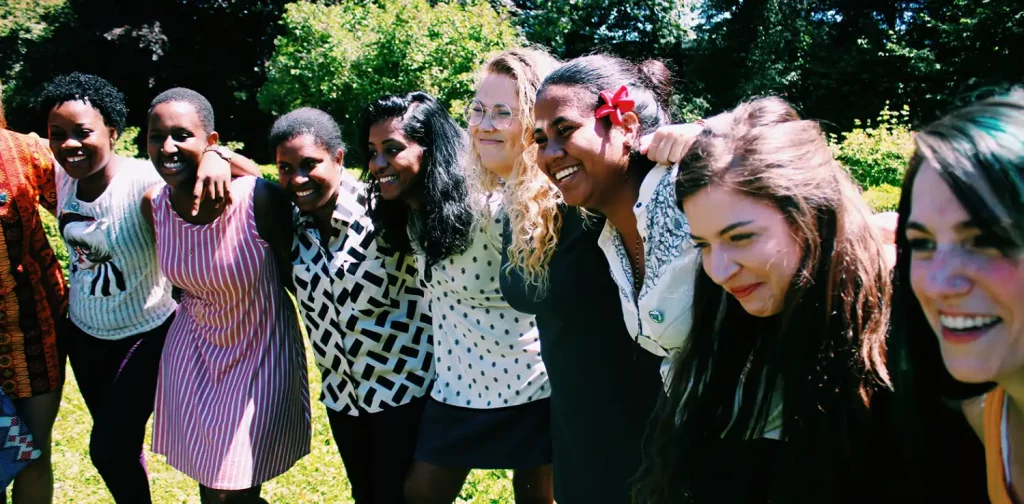
Photo: Global Youth Mobilization.
Adolescence and youth are formative times. They are crucial periods for young people to get to know themselves and build physical and mental well-being. Unfortunately, the World Health Organization (WHO) states that 14% of young people aged 10-19 suffer from mental health problems. The Global Youth Mobilization Final Impact Report shares insights about youth-led initiatives to tackle various issues, including youth mental health.
The Global Youth Mobilization
The Global Youth Mobilization (GYM) is a youth-led movement to tackle various global issues. First established in 2020, the movement was a response to the COVID-19 pandemic that impacted the lives of millions of young people worldwide. The movement is funded by the Big 6 Youth Organizations, the World Health Organization, and the United Nations Foundation.
The Global Youth Mobilization Final Impact Report was launched to celebrate two years of youth-led global action. The report shares the works of the Global Youth Mobilization movement in four key areas: COVID-19 prevention, vaccines, and combating misinformation; mental and physical health; education disruption and employability; and gender equality and combating domestic and gender-based violence.
Tackling Youth Mental Health Issues
The COVID-19 pandemic has heavily impacted all health aspects, including youth mental health. WHO states that the global prevalence of anxiety and depression increased by 25% during the first year of the COVID-19 pandemic. At the same time, the global pandemic also disrupted mental health services in 93% of countries worldwide.
The report shares that based on research by a UK-based charity organization Mind, 9 in 10 young people stated that loneliness had exacerbated their mental health problems during the pandemic. This is especially prevalent in low-income countries and places with humanitarian crises.
For the mental and physical aspects, the GYM has engaged 118,000 young people through 82 local solutions, 43 national projects, and three accelerator program projects within two years. One example of local solutions is the Little Hands to Draw Our World project by United for Mali. The project engaged 300 young people and 30 community beneficiaries in Mali, West Africa, to host art sessions to help children and young people with physical disabilities to improve their well-being and creativity through painting.
Another example is the YouDee Project in Thailand, which created the “Me, Myself, and I” booklet to promote better mental health through a seven-day self-discovery program. The booklet includes a planting kit, a coloring book, colored pencils, and puzzles.
Lesson Learned
Every young person deserves to grow in a supportive environment. When they are granted the resources needed to flourish, youth can have the power to drive changes in their communities and society at large. This includes ensuring they receive the support necessary for their mental and physical health.
The report shares three recommendations and lessons learned from youth-led solutions implemented by the GYM:
- Increase funding for lifesaving, youth-focused mental health services and support.
- Ensure equitable access to healthcare for children and young people, regardless of background, gender, or employment status, with mental health as a key priority.
- Invest in local solutions and adaptive programming; encourage greater collaboration between non-governmental, public, and private sector providers.
Read the full report here.
Editor: Nazalea Kusuma

Co-create positive impact for people and the planet.
Amidst today’s increasingly complex global challenges, equipping yourself, team, and communities with interdisciplinary and cross-sectoral insights on sustainability-related issues and sustainable development is no longer optional — it is a strategic necessity to stay ahead and stay relevant.

Kresentia Madina
Madina is the Assistant Manager of Stakeholder Engagement at Green Network Asia. She holds a bachelor’s degree in English Studies from Universitas Indonesia. As part of the GNA In-House Team, she supports the organization's multi-stakeholder engagement across international organizations, governments, businesses, civil society, and grassroots communities through digital publications, events, capacity building, and research.
 Asia Pacific’s SDG Progress Faces Major Setbacks
  Exploring the Bidirectional Relationship Between Olympic Games and the Environment
  The Hidden Threat of Tire Pollution to Salmon Populations
  Understanding the Climate-Care Nexus
  Role of Banks in Supporting Decent Work for All
  Natural Regeneration for a More Cost-Effective Forest Restoration