

Snow Leopards Conservation Efforts in Central Asia
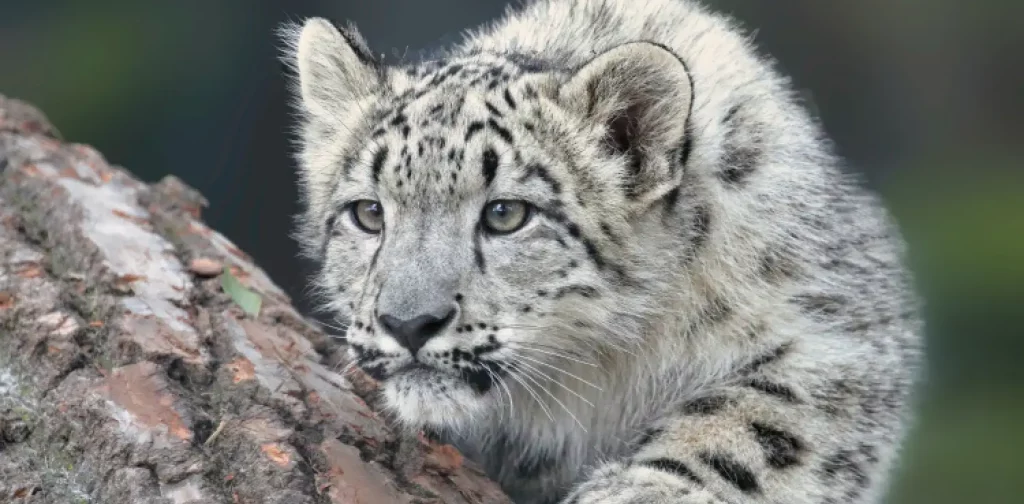
Photo: Robert Sachowski on Unsplash.
Biodiversity loss is devastating. Nearly 70% of animal populations have been plummeting in the last 50 years, and the number will continue to rise if no immediate actions are taken. In Kazakhstan, Kyrgyzstan, and Tajikistan, snow leopard conservation efforts are underway..
A vulnerable species
Snow leopards (Panthera uncia) are stealthy hunters and excellent jumpers living in northern and central Asia’s high mountains. They are able to leap as far as 50 feet and require large spaces to roam around. These big cats’ distinct features include thick, rosette-patterned fur and exceptionally long tails. Unfortunately, said fur is one reason humans hunt them down.
The International Union for Conservation of Nature (IUCN) listed snow leopards under the Vulnerable status. A 2016 data estimated 200-400 snow leopards have been poached annually since 2008. The expansion of human settlement, livestock grazing, and rising earth temperature further contribute to snow leopards’ habitat loss and extinction.
Snow leopards conservation efforts
In 2019, the IUCN launched SOS Central Asia, a three-year project supporting species migration and civil society organizations across Kazakhstan, Kyrgyzstan, and Tajikistan. To conserve snow leopards and develop the communities near the habitats, the IUCN funded three projects implemented by different organizations:
- Creating protected conservation areas for snow leopards and their prey by Snow Leopard Trust
Established several new co-managed conserved areas, improving the existing ones, improving law enforcement, and raising awareness through a community-based conservation approach. A co-management concept is also applied through partnerships between the government and local communities.
- Sustaining indigenous communities near the conservation by Snow Leopard Conservancy
Revived traditional practices by inviting Indigenous Cultural Practitioners to be equal partners in research and planning for the conservation of Snow Leopards through the Elders & Youth and Nature Trunks programs.
- Preserving snow leopards as Almaty and Kazakhstan’s living symbols by Wildlife without Borders
Raised awareness on how the urbanization of Almaty, Kazakhstan’s second largest city, affects snow leopards through a multi-faced campaign, species monitoring, and habitat management improvement.
A key species
As a flagship species, snow leopards are key to their entire ecosystems. In other words, if these big cats survive, so will other species around them. Therefore, conserving snow leopards are essential, not only for the lives of other animals but also for the environment and local communities surrounding them.
Editor: Nazalea Kusuma

Co-create positive impact for people and the planet.
Amidst today’s increasingly complex global challenges, equipping yourself, team, and communities with interdisciplinary and cross-sectoral insights on sustainability-related issues and sustainable development is no longer optional — it is a strategic necessity to stay ahead and stay relevant.

Kresentia Madina
Madina is the Assistant Manager of Stakeholder Engagement at Green Network Asia. She holds a bachelor’s degree in English Studies from Universitas Indonesia. As part of the GNA In-House Team, she supports the organization's multi-stakeholder engagement across international organizations, governments, businesses, civil society, and grassroots communities through digital publications, events, capacity building, and research.
 Embracing the Business Value of Sustainability
  American Farmers Call for Government Support Amidst PFAS Contamination
  Asia Pacific’s SDG Progress Faces Major Setbacks
  Exploring the Bidirectional Relationship Between Olympic Games and the Environment
  The Hidden Threat of Tire Pollution to Salmon Populations
  Understanding the Climate-Care Nexus