

Seatech Seaweed Farming Supports Blue Economy in Indonesia
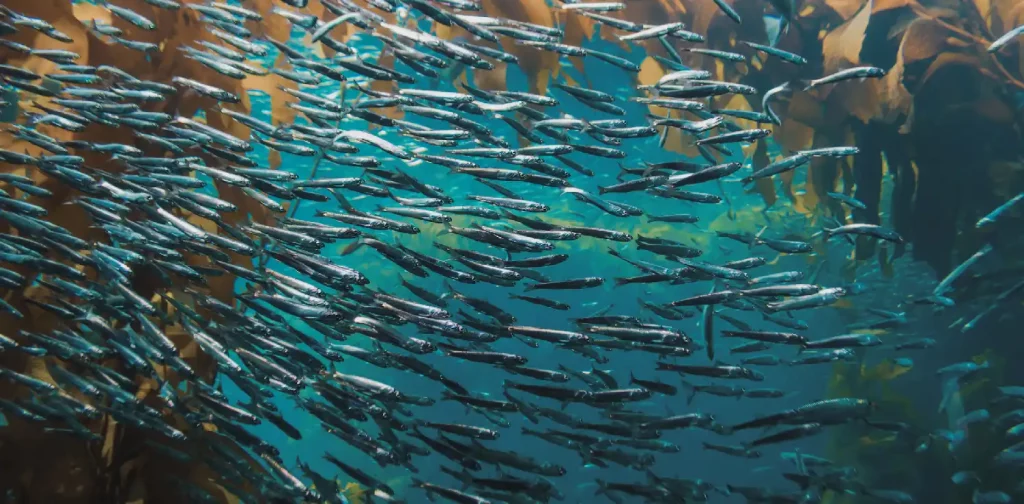
Photo: zhan zhang on Unsplash.
Indonesia is an archipelagic country with plenty of ocean resources. Blue economy becomes crucial to the country’s effort to maximize its ocean potential and encourage sustainable use of ocean resources. In this light, Seatech aims to support the implementation of blue economy in Indonesia through seaweed farming projects.
Blue Economy in Indonesia
According to the World Bank, the blue economy refers to “the sustainable use of ocean resources for economic growth, improved livelihoods, and jobs while preserving the health of the ocean ecosystem.”
With oceans making up 62% of its territory, Indonesia has abundant potential for blue economy implementation. The government listed several ocean commodities that could support the country’s economic growth, including fish catch, sea salt, and seaweed. Furthermore, the country has established a blue economy framework in the Indonesia Blue Economy Roadmap, which aims to:
- Conserve the ocean environment to support a sustainable economy.
- Boost the maritime sector’s contribution to the country’s GDP.
- Encourage job creation in the maritime sector.
Seatech Seaweed Farming
Seatech is a company based in the Netherlands focusing on seaweed farming using technology. It has been operating in Talakar, South Sulawesi, Indonesia, since the end of 2019, employing 500 local workers, with 50% of them being women.
Seatech cultivates wild seaweed Asparagopsis in a 350-hectare site. The harvested seaweed will be used as an additional feedstock for cattle agriculture, which is deemed able to reduce methane emissions from the industry.
The company uses technologies called ORCA-SP™ and Anaerobic Sequential Up-flow Reactor (ASUR™), which allow effective and efficient seaweed agriculture and management to produce alternative energy such as methane biogas. The seaweed farming technology can also operate deep below the surface, process large amounts of organic waste, and reduce land requirements for seaweed planting.
Furthermore, the ORCA-SP™ and ASUR™ technologies are claimed to be capable of regenerating seawater quality, thus supporting coral reef preservation and a healthier environment for marine ecosystems. Both can also increase crop yields by up to 20 times and reduce the prevalence of seaweed pests.
“We are developing multiple farms for different seaweed species that will be used in different ways. These include vegetable protein, animal feed, fib, hydrocolloids (agar, carrageenan), and bioplastics. We also plan to ‘digest’ the seaweed waste from some of these uses and convert it into biogas,” said Seatech’s Director, Jeroen Langelaan. The project is supported by the Blue Natural Capital Financing Facility (BNCFF) of the International Union for Conservation of Nature (IUCN)
Seaweed Farming for Blue Economy Implementation
Seatech’s methods can be seen as one of the examples of blue economy implementation that prioritizes conservation principles combined with the use of technology. Indonesia still mostly relies on local wisdom and traditional ways of utilizing its ocean resources, including Indigenous communities-based fisheries management and community-based conservation efforts.
Still, when used appropriately and sustainably, technology can enhance the economic scale of Indonesia’s ocean resources. Therefore, proper policy and incentives are needed to encourage the growth of ESG-based technology companies to support sustainable and responsible marine businesses and accelerate blue economy in Indonesia.
Editor: Abul Muamar & Nazalea Kusuma
Translator: Kresentia Madina
The original version of this article is published in Indonesian at Green Network Asia – Indonesia.

Maulina Ulfa
Maulina Ulfa is a Reporter at Green Network Asia. She graduated from Jember University with a bachelor's degree in International Relations.
 Green Burnout: Sustainability Workers and Climate Activists Are Quietly Falling Apart
  The Warning Signals of Climate Change
  How Land Use and Climate Change Shape the Increasingly Precarious Balance of Global Deadwood Stocks
  The Injustice of Climate Finance: How Climate Change Is Draining Developing Nations
  The Need for One Health in Conservation
  Opportunities and Challenges in Implementing Biodiversity Credits for Biodiversity Financing in Indonesia