

How Harmful Content in Social Media Can Hinder Peacebuilding
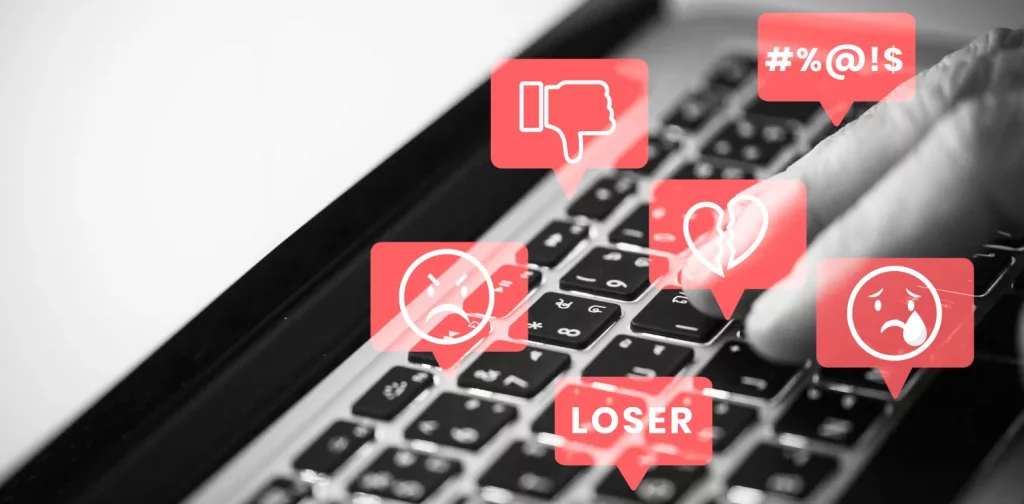
Photo: Freepik.
Social media has been a big part of our daily lives for over a decade. Beyond its initial purpose of connecting people, social media has allowed information and news to travel incredibly fast. Unfortunately, this also brings waves of disinformation and other harmful content. In a research project, UNESCO shares insights on the challenges of harmful content in social media for peacebuilding.
Harmful Content in Social Media
Social media is almost like a one-size-fits-all platform. Starting as a socializing platform, social media has now evolved into a place to do business and advocate for important issues through digital activism. Some might even turn to social media for the latest information on the world’s happenings.
However, the benefits and functions of social media are often overshadowed by the rise of harmful content spreading all over the platform. This includes disinformation and hate speech.
In 2022, UNESCO launched the “Social Media 4 Peace” project to strengthen people’s resilience over harmful content, protect freedom of expression, and promote peace through social media. Under the project, UNESCO also published research examining frameworks, local efforts, and regulatory tools in three pilot countries: Bosnia and Herzegovina, Kenya, and Indonesia.
Implications & Legislations
The research looks into the three pilot countries’ political, cultural, linguistic, and societal contexts. It aims to guide stakeholders who want to promote freedom of expression and a safer online environment.
The report finds that harmful content in social media, particularly disinformation, hate speech, and gender-based violence, negatively affects the targeted people in real life. This is particularly true for vulnerable groups such as women, ethnic and religious minorities, and people with diverse sexual orientations.
Curbing harmful content online and strengthening freedom of expression is essential to peacebuilding. Therefore, proper and contextual legislation is crucial. However, the research shares that both social media companies and governments have not implemented transparent and just regulations for disinformation and hate speech.
For instance, social media companies still lack transparency and localized efforts in their content moderation systems. Meanwhile, existing legislation is often used to restrict legitimate freedom of expression, including restricting journalists’ press freedom.
Collaborations for Peace
Creating a safer environment online requires participation from all related stakeholders, including governments, organizations, social media companies, and users. The report calls for efforts to adhere to international standards, create a culture of transparency between stakeholders, and conduct discussions to effectively foster a better and safer online experience for everyone.
Read the full report here.
Editor: Nazalea Kusuma

Kresentia Madina
Madina is the Assistant Manager of Stakeholder Engagement at Green Network Asia. She holds a bachelor’s degree in English Studies from Universitas Indonesia. As part of the GNA In-House Team, she supports the organization's multi-stakeholder engagement across international organizations, governments, businesses, civil society, and grassroots communities through digital publications, events, capacity building, and research.
 Impacts of E-waste Pollution on Animals and Human Health
  Africa’s Solar Energy Surge: Why 2025 Was a Breakthrough Year
  Agrihoods: Integrating Farms and Urban Neighborhoods into Sustainable Communities
  Women in Waste Management: Asia’s Circularity Runs on Women. Its Policies Still Don’t
  Embracing the Business Value of Sustainability
  American Farmers Call for Government Support Amidst PFAS Contamination