

IKEA Foundation to Support Community-Centered Just Energy Transition
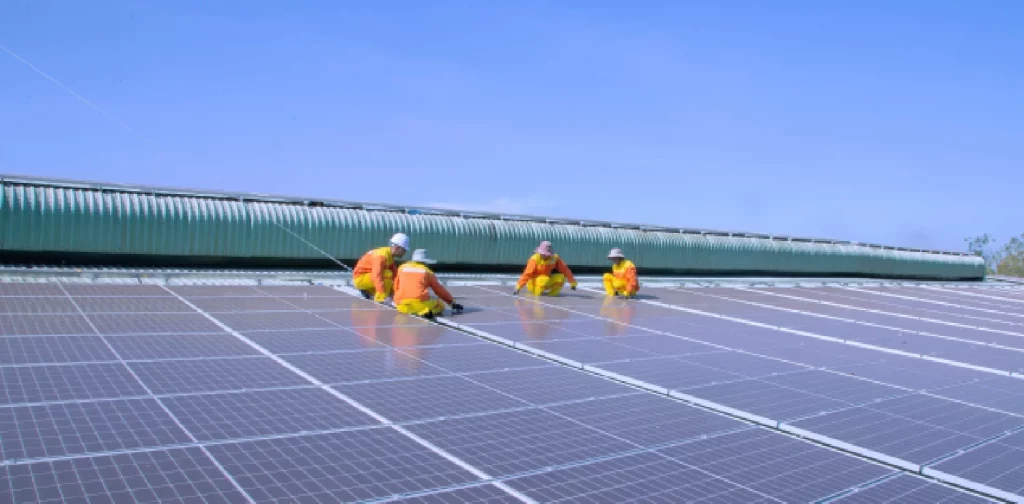
Photo : Hoan Ngọc on Pexels
Energy transition is crucial in tackling climate change. The world has been using fossil fuel to power it for a long time, and stepping away from it means change in almost all sectors. However, this transition is a costly and complex process. A recently launched initiative by the IKEA Foundation and ClimateWorks Foundation aims to fund a community-centered, just energy transition in the Global South.
Expensive Transition
The International Energy Agency (IEA) estimates that $4.6 trillion a year by 2030 is needed to achieve net-zero by 2050. However, 2023 might see only about $1.7 trillion going to clean energy – less than half of what the world needs.
Still, that amount shows progress. The IEA reveals that global energy investment is on the rise, with investment in clean energy outpacing fossil fuel almost three-to-one. Unfortunately, this progress is not the same across the globe.
Lower-income and developing countries are often the least responsible for yet the most impacted by climate change. They are also the least ready or equipped to face climate change challenges. Boosting climate action, research, and investment in the Global South is essential to achieve a better future with no one left behind.
Multilateral and collaborative funding initiatives like what C40 does for inclusive climate actions, the Clara Lionel Foundation for climate justice, the Global Energy Alliance for People and Planet for clean energy, and Just Energy Transition Partnerships (JETP) can support more inclusive transitions worldwide.
IKEA Foundation for Just Energy Transition
In September 2023, the IKEA Foundation and ClimateWorks Foundation launched a philanthropic initiative to support the existing JETP plans in Indonesia, Vietnam, and South Africa. It involves $20 million in seed funding over four years and focuses on workers and communities impacted by energy transition plans.
The shift toward renewable energy affects roughly 32 million people who work in high-carbon industries. The initiative aims to empower them by amplifying and channeling their voices to influence the decision-making process. It will do so by:
- Identifying affected groups and analyzing the economic impact they will face to provide a holistic view of Just Energy Transition plans.
- Convening national and international dialogues with government, labor unions, technology providers, utilities, and civil society.
- Utilizing strategic communications to build compelling narratives about Just Energy Transition at the local, state, and global levels.
- Enabling community-driven initiatives to communicate their demands effectively on Just Energy Transition policies.
“As global economies move away from polluting fossil fuels, we need just energy transitions that leave no one behind,” said ClimateWorks Foundation President & CEO Helen Mountford. “The IKEA Foundation’s generous grant provides the opportunity to support strategies that put affected workers and communities at the heart of climate action and clean energy development in the Global South.”

Nazalea Kusuma
Naz is the Manager of International Digital Publications at Green Network Asia. She is an experienced and passionate writer, editor, proofreader, translator, and creative designer with over a decade of portfolio. Her history of living in multiple areas across Southeast Asia and studying Urban and Regional Planning exposed her to diverse peoples and cultures, enriching her perspectives and sharpening her intersectionality mindset in her storytelling and advocacy on sustainability-related issues and sustainable development.
 The Invisible Infrastructure: What ASEAN’s Carbon Market Needs Most
  Indonesia Ruled to Recognize Chronic Illness as a Disability
  Clean Cooking as a Developmental Multiplier in Africa
  Congo Basin Peatlands Are Releasing Ancient Carbon
  From Anxiety to Action: How Youth Climate Activism Is Evolving
  India’s Supreme Court Declared Menstrual Health and Hygiene as Fundamental Rights