

WOTR India: Rural Development Through a Holistic Approach
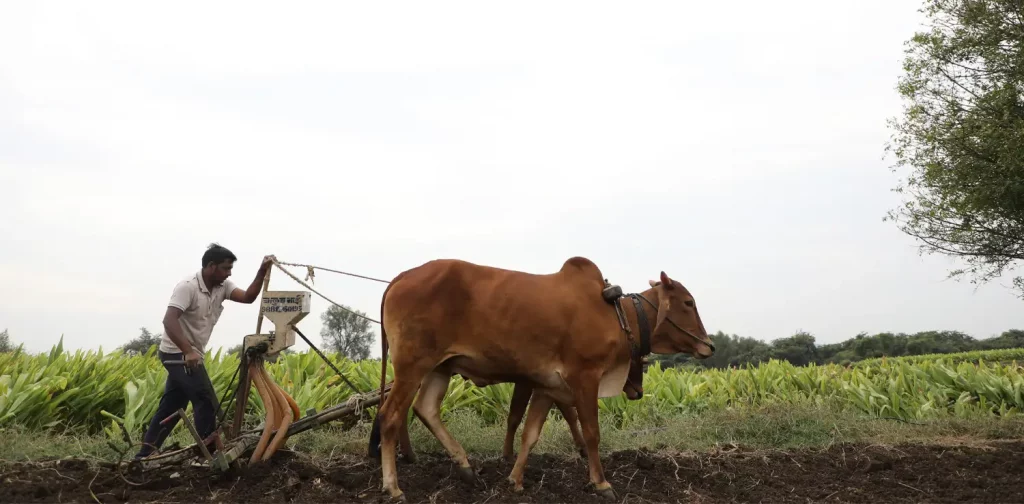
Photo by amol sonar on Unsplash
There is no doubt that climate change is impacting all of us. However, rural people who depend on nature suffer a more significant impact from the degraded ecosystem.
In India, a non-profit organization called Watershed Organization Trust (WOTR) has supported rural communities across the country through water and food management. The organization uses a strategy called Ecosystem-based Adaptation (EbA).
Watershed Organization Trust
WOTR was first established in 1993 with the mission of creating resilient rural communities that are capable of managing their own resources. As of 2021, WOTR’s programs have reached over 5,200 villages across 9 states in India.
A watershed is an area that drains off rainfall and snow into bodies of water, such as rivers and streams. This drainage basin is essential for the ecosystem in rural India because it improves groundwater and crop quality and restores eroded soil. Unfortunately, unsustainable agricultural practices have damaged the ecosystem.
WOTR’s watershed management program is grounded on Ecosystem-based Adaptation (EbA). This program is a series of interventions at farm and landscape levels.
Ecosystem-based Adaptation
The United Nations Convention on Biological Diversity defines Ecosystem-based Adaptation as “the use of biodiversity and ecosystem services as part of an overall adaptation strategy to help people adapt to the adverse effects of climate change.” In other words, EbA is a strategy that is human-centered and nature-based.
The EbA strategy was first implemented in Maharashtra through a holistic design of interventions, which include disaster risk reduction, biodiversity & ecosystem services, water budgeting, agro-meteorology, adaptive sustainable agriculture, watershed development, and energy alternatives.
The results of these interventions are assessed based on three criteria:
- Helping people adapt to climate change
Practicing climate-resilient agriculture resulted in an increase in income by 37%. Food quality improved, and the distress migration stopped due to increased available water.
- Improving ecosystems and biodiversity
Farm forestry resulted in an increase in forest cover and plantations by 43%. Treating watersheds through soil and water conservation measures also halted soil erosion and reclaimed gullies. There was also an increase in water storage capacity by 87%.
- Strengthening participatory governance
The project saw an increase in women’s participation in governance and decision-making. Four more institutions were also formed throughout the project to participate in natural resources management.
Supporting SDGs
According to Rural Marketing, WOTR has recently started its watershed development program in 10 villages in Karnataka state. The program will focus on treating the village areas and drainage system, promoting water-saving technologies, testing soil, and promoting agricultural livelihood activities and practices. If adopted widely, WOTR’s Ecosystem-based Adaptation can support India’s progress toward achieving Sustainable Development Goals.
Editor: Nazalea Kusuma
Co-create positive impact for people and the planet.
Amidst today’s increasingly complex global challenges, equipping yourself, team, and communities with interdisciplinary and cross-sectoral insights on sustainability-related issues and sustainable development is no longer optional — it is a strategic necessity to stay ahead and stay relevant.
Kresentia Madina
Madina is the Assistant Manager of Stakeholder Engagement at Green Network Asia. She holds a bachelor’s degree in English Studies from Universitas Indonesia. As part of the GNA In-House Team, she supports the organization's multi-stakeholder engagement across international organizations, governments, businesses, civil society, and grassroots communities through digital publications, events, capacity building, and research.
 What Fading Butterfly Colors Reveal About Environmental Stress
  The Right to Be Cold and What It Means for Indigenous Inuit
  All Pain, No Gain for Women from the Tobacco Industry’s So-Called Generosity
  Upholding the Women in Agriculture Who Are Feeding Africa
  The Role of Trade Unions in Peacebuilding
  Red Flags in the EU’s Industrial Accelerator Act (IAA)