

Linking Forest Patches in Peninsular Malaysia
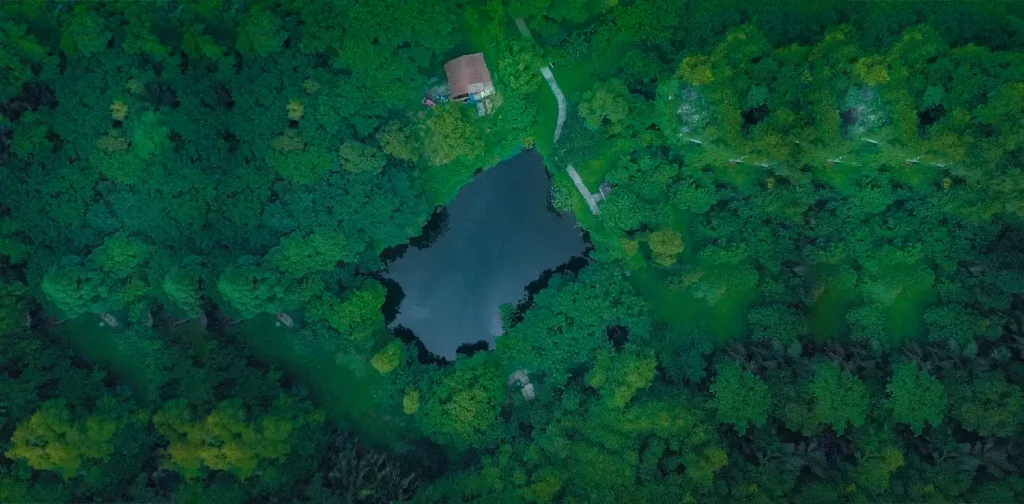
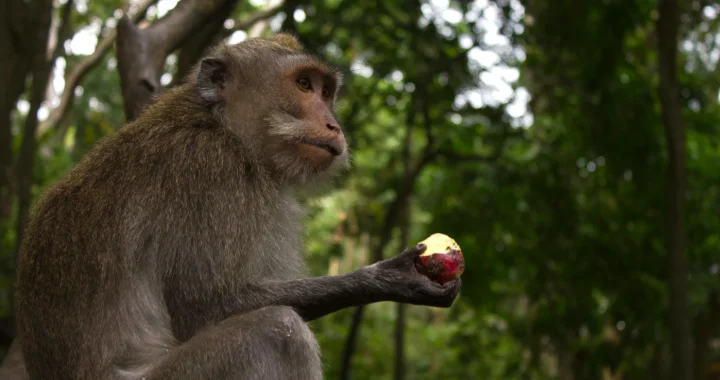
Photo by Zainal Azrin Mohamad Saari on Unsplash
Forest breathes life. Dubbing the area as the earth’s lung is not without reason; it holds the key to decarbonization, biodiversity preservation, and climate resilience.
The Malaysian government recently adopted a forest conservation plan called the Central Forest Spine Master Plan (CFSMP). The project aims to connect the forest patches in Peninsular Malaysia that are currently segregated due to deforestation.
The Central Forest Spine
More than half of Malaysia is forest. In Peninsular Malaysia, the forests are called Central Forest Spine (CFS). The area is divided into four complexes, with the total area spanning 5.3 million hectares across eight states. Until 2019, however, Peninsular Malaysia had lost 245,566 hectares of its forest due to deforestation and improper management.
True to the name, Central Forest Spine supports this planet by being a sanctuary for endangered animals, storing carbon, preserving natural resources, and producing commodities. Recognizing the importance of the forests as national assets, the Malaysian government launched the Central Forest Spine Master Plan (CFSMP) in 2010. This plan aims to conserve the CFS by reconnecting the segregated forest areas with linkages.
In July 2022, the CFSMP was adopted by the government as the guidelines for forest planning and management in Peninsular Malaysia. The plan was approved on July 20, during the 40th Meeting of the National Physical Planning Council chaired by Prime Minister Ismail Sabri Yaakob.
Connecting through Linkages
Connecting segregated forests is essential to conserving the Central Forest Spine. One of the ways is through linkages, which are corridors that connect these forests. The master plan recognizes 37 vital linkages connecting the northern and southern parts of the peninsula.
The plan reveals two kinds of linkages: Primary Linkages and Secondary Linkages. Primary linkages are the corridors that connect separated forests, allowing wildlife and every biological component in the forests to move freely. Building & re-establishing Primary Linkages will require land acquisition and building viaducts.
Meanwhile, Secondary Linkages are treated as stepping stones to connect small patches of restored forests that are too far from one another. Waterways and river courses are examples of Secondary Linkages that allow small and large animals to move between places.
A Brighter Path to Forest Sustainability
This year, Malaysia’s forest sustainability journey has stepped into a brighter path. In the same month as the adoption of CFSMP, Malaysia’s government also passed the amendments to the National Forestry Act (Amendment) 2022. The amendments include stricter rules and penalties for forest reserve offenses and several other new provisions. These changes signify one step forward in coping with climate change and creating a sustainable future for all.
Editor: Nazalea Kusuma

Kresentia Madina
Madina is the Assistant Manager of Stakeholder Engagement at Green Network Asia. She holds a bachelor’s degree in English Studies from Universitas Indonesia. As part of the GNA In-House Team, she supports the organization's multi-stakeholder engagement across international organizations, governments, businesses, civil society, and grassroots communities through digital publications, events, capacity building, and research.
 Green Burnout: Sustainability Workers and Climate Activists Are Quietly Falling Apart
  The Warning Signals of Climate Change
  How Land Use and Climate Change Shape the Increasingly Precarious Balance of Global Deadwood Stocks
  The Injustice of Climate Finance: How Climate Change Is Draining Developing Nations
  The Need for One Health in Conservation
  Opportunities and Challenges in Implementing Biodiversity Credits for Biodiversity Financing in Indonesia