

Is the Skill Development of Children and Youth on Track?
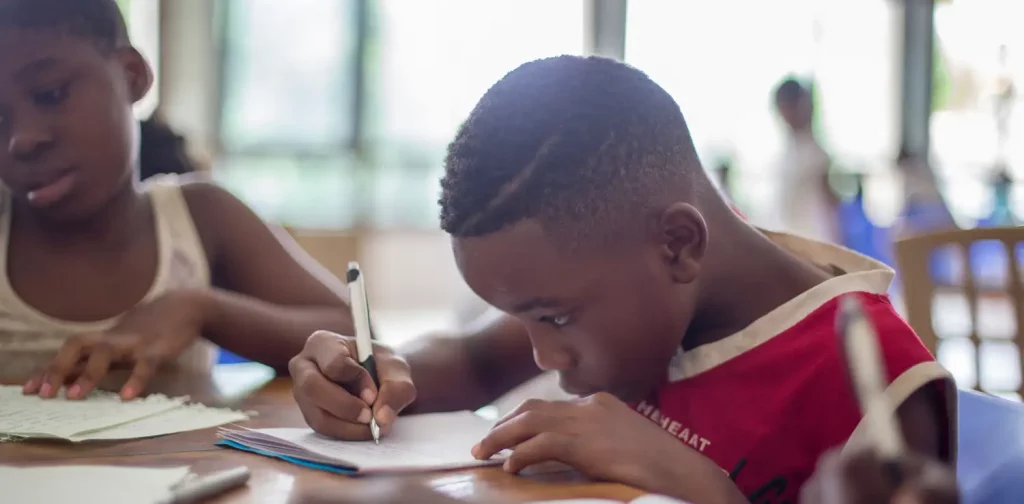
Photo by Santi Vedrí on Unsplash
So much of our lives is determined by our skill development as children. Proper access to education, safety, health resources, and economic support is crucial in ensuring young people have the necessary skills to thrive in the future.
However, according to UNICEF’s newest report on Recovering Learning, around 3 in 4 youth lack the necessary skills for scoring future decent employment. The joint report between UNICEF and the Education Commission reveals the condition of skill development in children aged 36-59 months, children at approximately age 10, and youth aged 15-24 years.
Low level of skills
Children must fully develop fundamental skills such as literacy-numerical, physical, social-emotional, and learning. Meanwhile, youth need digital, transferable, and job-specific skills to enter the workforce. However, the report shows low skill development and attainment among children and youth.
“The majority of children and young people across the world have been failed by their education systems, leaving them uneducated, uninspired, and unskilled—the perfect storm for unproductivity,” said UNICEF Director of Education Robert Jenkins.
Economic disparity across countries
The summary of the findings is as follows:
- Of 77 countries with data, only 72% of children aged 36-69 months are on track in at least three developmental indexes: literacy-numerical, physical, social-emotional, and learning. Different countries highlight different results; for example, in Sierra Leone, boys are 15% less likely to be on track than girls. Meanwhile, in Burundi, the percentage is 26%.
- From 121 countries with data, about half of children aged ten have developed foundational reading skills, with boys being 7% less likely to develop them than girls.
- Of 38 countries with data, only two out of five youth are on track to fully attain the necessary skills needed to thrive in the workforce and life. These skills include secondary-level reading and math skills, transferable skills, and digital skills.
From the three age groups examined, the data shows that those in wealthier countries have better skills development and attainment than those in low-income countries. Socio-economic support is crucial to ensure no children are left behind in pursuing a better life. Proper measurement tools and tests are also needed for a more comprehensive report in the future.
Breaking barriers to education
Children and youth are the keys for future generations. Through the report, UNICEF and the Education Commission urge the governments in all countries to provide foundational life support to ensure that all children can get the education they need to lead a better life. This strategy includes minimizing the risks of dropping out and tailoring lessons according to the children’s needs. This way, we are one step closer to a society where no one is left behind.
Read the full report here.
Editor: Nazalea Kusuma
Co-create positive impact for people and the planet.
Amidst today’s increasingly complex global challenges, equipping yourself, team, and communities with interdisciplinary and cross-sectoral insights on sustainability-related issues and sustainable development is no longer optional — it is a strategic necessity to stay ahead and stay relevant.

Kresentia Madina
Madina is the Assistant Manager of Stakeholder Engagement at Green Network Asia. She holds a bachelor’s degree in English Studies from Universitas Indonesia. As part of the GNA In-House Team, she supports the organization's multi-stakeholder engagement across international organizations, governments, businesses, civil society, and grassroots communities through digital publications, events, capacity building, and research.
 The Warning Signals of Climate Change
  How Land Use and Climate Change Shape the Increasingly Precarious Balance of Global Deadwood Stocks
  The Injustice of Climate Finance: How Climate Change Is Draining Developing Nations
  The Need for One Health in Conservation
  Opportunities and Challenges in Implementing Biodiversity Credits for Biodiversity Financing in Indonesia
  How Climate Change Is Redrawing The Food Map