

Global Resources Outlook & the Call for Sustainable Resource Use
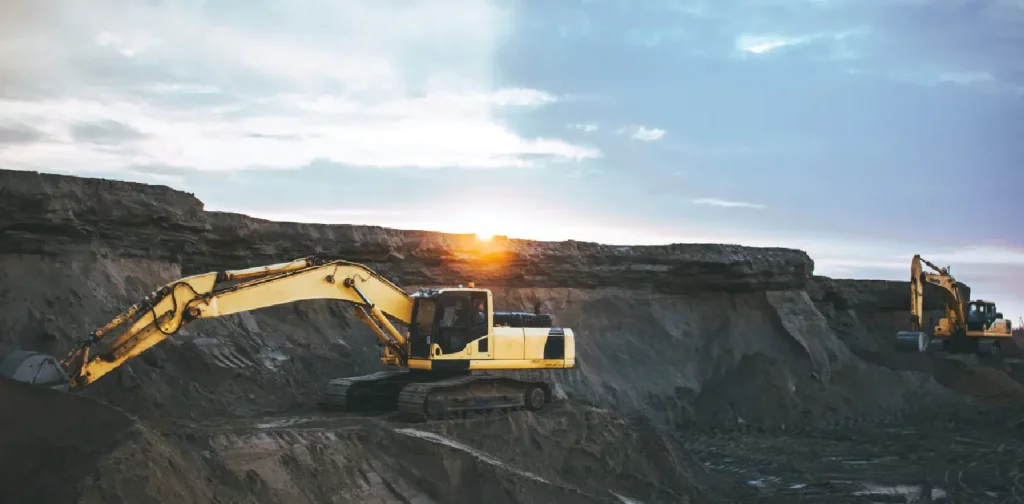
Photo: Artyom Korshunov on Unsplash.
Natural resources are the vital foundation of our economy and society. They provide the materials for buildings, trade, and our daily needs. However, as the population grows and the economy develops, natural resources have been extracted and used at a speed that exacerbates the planet’s multiple crises. In a new report, the United Nations Environment Programme looks into the possible ways to encourage sustainable resource use.
Material use increase
The Global Resources Outlook 2024 was developed by the UNEP and the International Resource Panel (IRP). It was launched at the sixth session of the United Nations Environment Assembly (UNEA-6) held from February 26 to March 1, 2024, in Nairobi, Kenya.
The use of materials has been rapidly increasing worldwide. This includes fossil fuels, sands, metals, non-metal minerals, and biomass. The report noted approximately 90% of the global material demand comes from built environments and mobility, food, and energy systems. These are essential aspects of our society in general and also critical to sustainable development progress.
Material use is expected to continue to rise to meet human needs as the economy develops and the population grows. Currently, extraction and processing already contribute to over 55% of greenhouse gas emissions and 40% of health issues related to air pollution. Combined with land-use change, the scale of impacts can grow to more than 60%, including biodiversity loss and water stress.
Without bold changes towards sustainable resource use, the report predicted that material resource extraction could increase by almost 60% percent from 2020 levels by 2060, from 100 to 160 billion tonnes.
Gaps between countries
Things, however, are not set in stone. The report shared that it is still possible to minimize resource use while growing the economy, reducing environmental impacts, and improving the planet’s wellbeing. One of the key actions is to address the unequal material use and environmental impacts between countries.
The report noted that high-income countries use six times more materials per capita than low-income countries due to high levels of consumption and development. Consequently, it generates ten times more climate impacts per capita than low-income countries. In many cases, high-income countries often extract and exploit resources from low-income countries, leaving them to deal with various environmental and social issues in the aftermath.
Therefore, countries must create a balance between their resource use and the following impacts. It is critical that the efforts to reduce resource extraction by high-income countries outweigh the increase in resource use from lower-middle and low-income countries.
The need for sustainable resource use
Ultimately, sustainable resource use and responsible consumption are crucial to support economic development and societal wellbeing and minimize environmental impacts. “The triple planetary crisis of climate change, nature loss, and pollution is driven from a crisis of unsustainable consumption and production. We must work with nature, instead of merely exploiting it,” said Inger Andersen, Executive Director of UNEP.
Therefore, urgent actions are needed to mobilize governance resources and deliver sustainable strategies and paths for resource use at all levels. Keeping track of the resource costs, implementing proper incentives, and mainstreaming sustainable consumption options across sectors are critical to creating resource-efficient and low-impact solutions.
“We should not accept that meeting human needs must be resource intensive, and we must stop stimulating extraction-based economic success. With decisive action by politicians and the private sector, a decent life for all is possible without costing the earth,” said Janez Potočnik, the International Resource Panel’s Co-Chair.
Read the full report here.
Editor: Nazalea Kusuma

Kresentia Madina
Madina is the Assistant Manager of Stakeholder Engagement at Green Network Asia. She holds a bachelor’s degree in English Studies from Universitas Indonesia. As part of the GNA In-House Team, she supports the organization's multi-stakeholder engagement across international organizations, governments, businesses, civil society, and grassroots communities through digital publications, events, capacity building, and research.
 Embracing the Business Value of Sustainability
  American Farmers Call for Government Support Amidst PFAS Contamination
  Asia Pacific’s SDG Progress Faces Major Setbacks
  Exploring the Bidirectional Relationship Between Olympic Games and the Environment
  The Hidden Threat of Tire Pollution to Salmon Populations
  Understanding the Climate-Care Nexus