

Australia’s Biodiversity Is Declining
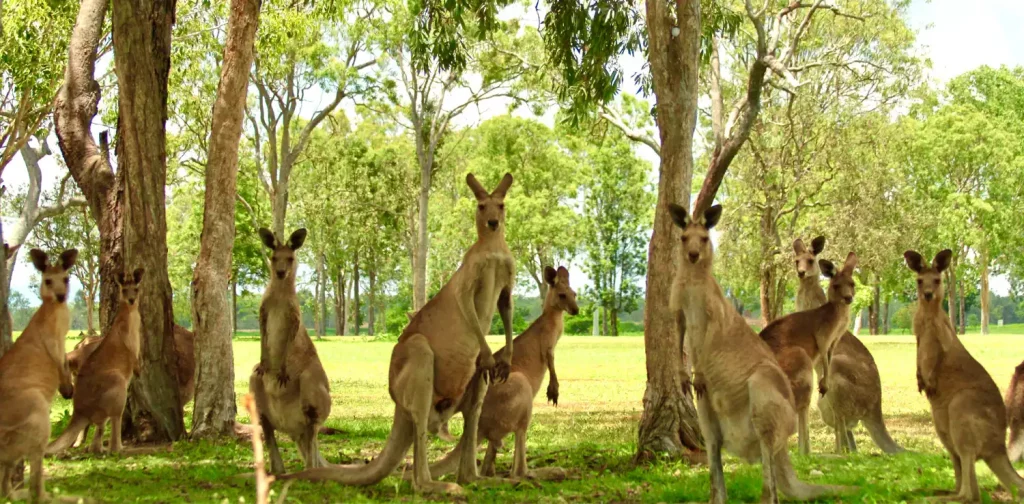
Photo by James Wainscoat on Unsplash
From kangaroos to giant spiders, Australia is well-known for its biodiversity. The continent has nearly 600,000 native species, many of which cannot be found anywhere else in the world. For example, half of the world’s marsupial species come from Australia. In its five-year report, Australia State of the Environment compiles the latest updates on the continent’s rich biodiversity.
Australia’s Biodiversity
Biodiversity includes plants, animals, fungi, and other microorganisms. In line with Sustainable Development Goal 15, Life on Land, biodiversity is essential to the collective survival, well-being, and prosperity of people and the planet.
In Australia, scientists keep finding new species. However, the continent’s biodiversity is declining, and the number of threatened species keeps increasing. Per June 2021, there are 1,918 threatened species in Australia under different categories: Extinct or Extinct in the Wild (105), Critically Endangered (294), Endangered (724), Vulnerable (787), and Conservation Dependent (8).
Critical findings on Australia’s biodiversity are as follows:
- Plants: Australia is home to about 10% of the world’s plants (21,000 species). Among notable threatened plant species are eucalypts and orchids.
- Animals: Around 21% of Australian mammals are threatened species. Three new bird species are assessed as threatened. The reptile Emoia nativitatis is now Extinct, and there are 67 threatened reptile species. Among 243 native species of frogs, five are Extinct, and 50 are threatened. Meanwhile, 285 invertebrate species are listed as threatened, 22 Australian freshwater fish species face the highest risk of extinction, and little is known about subterranean fauna.
- Fungi and other microorganisms: There isn’t much data available, so tea-tree fingers (Hypocreopsis amplectens) are the only species listed as Critically Endangered.
Pressures
Habitat loss and degradation presents the most dominant pressure on Australia’s plants and animals. Together with climate change and invasive species, they negatively impact biodiversity across almost all of Australia, sometimes irreversibly.
Here are some key findings about the pressures on Australia’s biodiversity:
- Population: Human activity, urban development, and population growth lead to pollution, overfishing, land clearing, and other conditions that affect biodiversity.
- Industry: Extensive agriculture, land clearing, and mining and energy production result in habitat loss and pollution.
- Climate change: Subtle changes (lifecycle shifts, rising temperature, etc.) and extreme events (fires, droughts, etc.) cause mass mortality. Aquatic environments in southern and eastern Australia are among the most impacted.
- Invasive Species: They’re a primary cause of extinction for Australian fauna. The threat of new diseases and pathogens also exists and may worsen.
Management
The Environment Protection and Biodiversity Conservation Act (EPBC Act) is Australia’s key national legislation for protecting threatened species and communities. However, the report deems it not effective. Additionally, while climate change has been identified as a threat, only a small portion of recovery plans include specific actions to mitigate it.
Meanwhile, Australia’s protected area system has improved with the addition of Indigenous Protected Areas. Indigenous rights, knowledge, and values have become increasingly central to conservation management, but more needs to be done to integrate them into legislation and policy.
Source: Australia State of the Environment 2021 Report

Nazalea Kusuma
Naz is the Manager of International Digital Publications at Green Network Asia. She is an experienced and passionate writer, editor, proofreader, translator, and creative designer with over a decade of portfolio. Her history of living in multiple areas across Southeast Asia and studying Urban and Regional Planning exposed her to diverse peoples and cultures, enriching her perspectives and sharpening her intersectionality mindset in her storytelling and advocacy on sustainability-related issues and sustainable development.
 Whimsymaxxing and Beyond: Rethinking the Waste Behind Viral Trends
  Seeking Guidance from Karl Marx to Face the Climate Catastrophe
  Indonesia’s Greenwashing Diplomacy at COP31 and Beyond
  The Textile Industry Is Growing, and So Is Textile Wastewater
  EESG: We Need a New Economic Narrative for Sustainability in the Age of AI, Energy Crisis, and Geopolitical Divide
  The Continued Struggle for Equality and Dignity in Women’s Sportswear