

Kyrgyzstan’s Plan for Mountain Sustainability
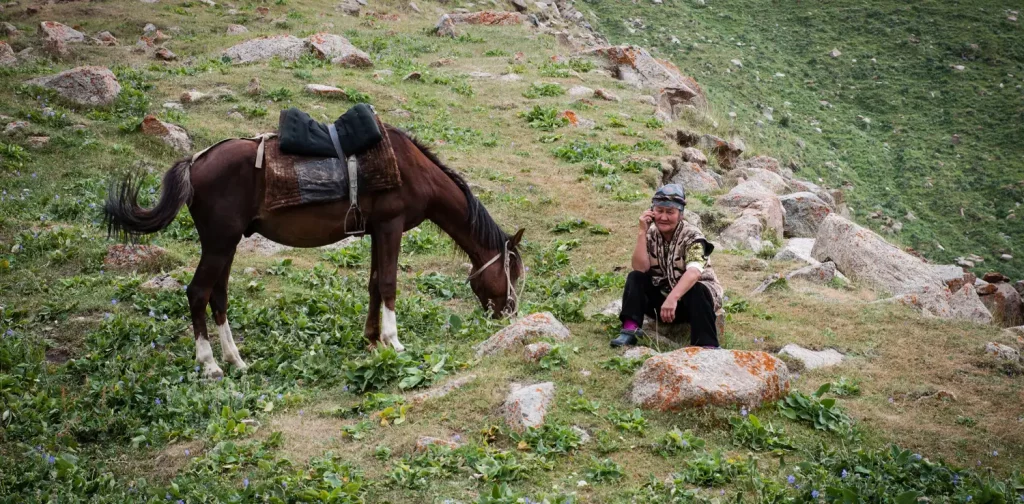
Photo by Joel Heard on Unsplash
Mountains are essential. They are one of the most vital water producers and the home of many biodiversity and indigenous communities. Like other natural landscapes, however, mountains are not immune from the impact of climate change.
The United Nations declared 2022 as the International Year of Sustainable Mountain Development. This initiative was led by Kyrgyzstan to center the discussion about mountain-related issues among the UN boards and other stakeholders.
A mountain-dependent country
Kyrgyzstan is one of the countries whose livelihood relies on the mountains. A good 94% of its landscape is mountains. The mountaintops are covered with snow and glaciers, making them the country’s primary water supply. The rest of the surfaces are covered by grassland and high-altitude pastures, which support agricultural activities in the country.
Unfortunately, like the rest of the world, Kyrgyzstan’s mountains suffer the impact of the earth’s rising temperature. Parts of the mountains have also shown a decrease in productivity. The President of Kyrgyzstan, Sadyr Japarov, initiated the adoption of the International Year of Sustainability Mountain Development in the UN’s 76th General Assembly in 2021.
The UN Secretary-General António Guterres urged all nations to closely monitor mountain development this year. “The International Year of Sustainable Mountain Development 2022 is an opportunity to place the sustainability and resilience of mountain ecosystems and communities at the heart of international processes, policies, and investments within the framework of the 2030 Agenda for Sustainable Development,” he added.
A five-year action plan
As a part of the resolution of the initiative, the Permanent Mission of the Kyrgyz Republic to the United Nations presented the mountain sustainability concept on May 24, 2022, in New York. It is called “Five Years of Action for the Development of the Mountain Regions”.
This plan calls for mountain-specific measures, mitigation, and sustainable development strategies to tackle mountain-specific problems caused by climate change. Furthermore, the plan also calls for international cooperation in bringing mountain sustainability to the surface.
The presentation was attended by several key stakeholders, namely the Permanent Representatives of the Group of Friends of Mountainous Countries, the UN Member Countries, and the representatives of the key international organizations. The five-year plan is set to commence from 2022-2027 and is proposed to be adopted during the 77th UN General Assembly.
A multi-stakeholder participation
Kyrgyzstan’s five-year plan includes addressing the mountain-related problems from the economy, education, culture, and environment. Therefore, participation from all related stakeholders is crucial for this plan’s success. International and national organizations, the government, businesses, and scientists are all encouraged to join hands in creating sustainable living for everyone, everywhere, without exceptions.

Kresentia Madina
Madina is the Assistant Manager of Stakeholder Engagement at Green Network Asia. She holds a bachelor’s degree in English Studies from Universitas Indonesia. As part of the GNA In-House Team, she supports the organization's multi-stakeholder engagement across international organizations, governments, businesses, civil society, and grassroots communities through digital publications, events, capacity building, and research.
 The Invisible Infrastructure: What ASEAN’s Carbon Market Needs Most
  Indonesia Ruled to Recognize Chronic Illness as a Disability
  Clean Cooking as a Developmental Multiplier in Africa
  Congo Basin Peatlands Are Releasing Ancient Carbon
  From Anxiety to Action: How Youth Climate Activism Is Evolving
  India’s Supreme Court Declared Menstrual Health and Hygiene as Fundamental Rights